
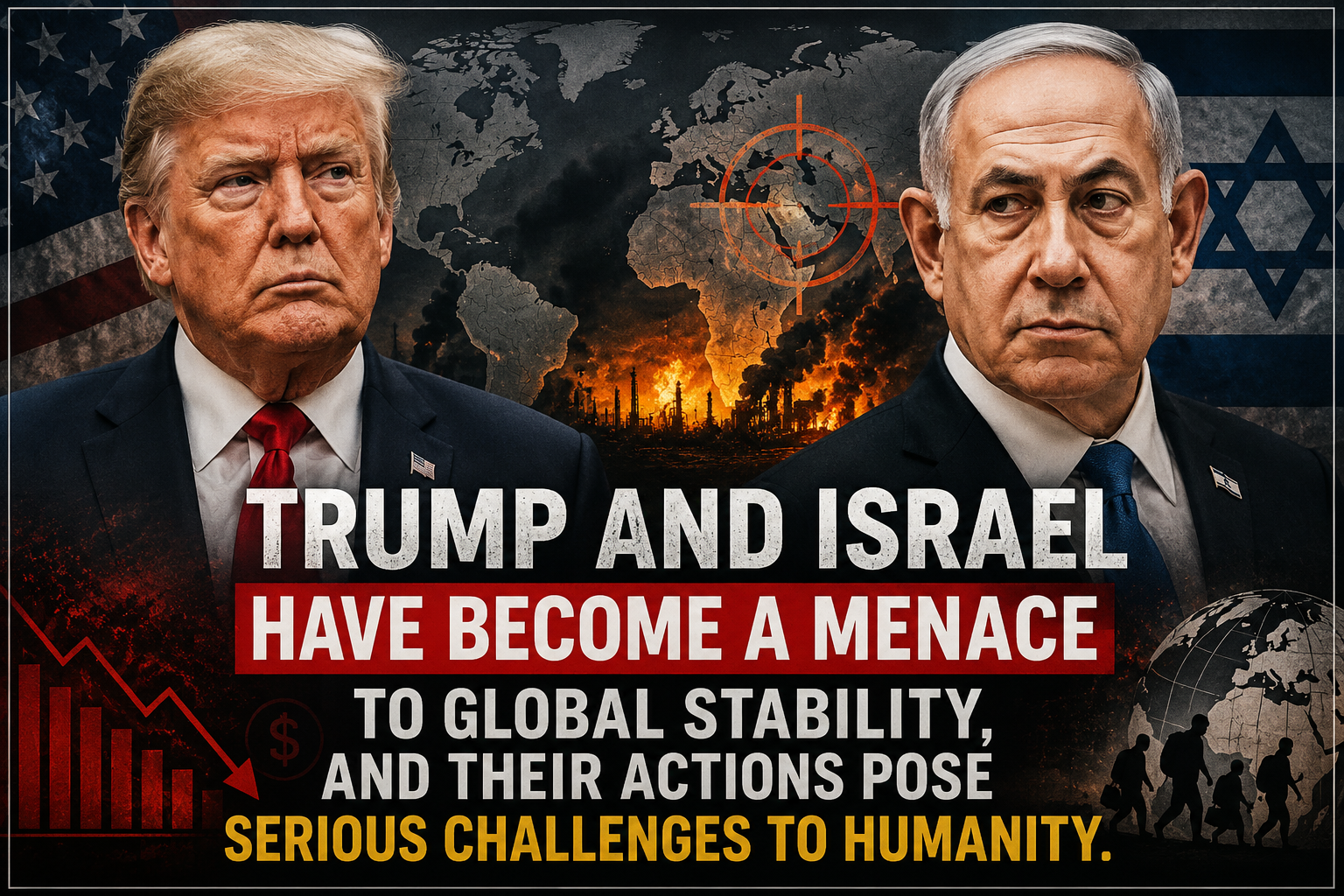
n recent years, geopolitical tensions in West Asia have intensified, and many scholars argue that a combination of aggressive foreign policies, strategic miscalculations, and competing national interests has contributed significantly to the current global oil crisis. The policies of former U.S. President Donald Trump, along with the assertive regional strategies pursued by Israel, played a measurable role in destabilizing an already fragile geopolitical environment. Understanding this moment requires a careful academic assessment rather than emotional rhetoric, because the stakes—economic, environmental, and humanitarian—are profound.
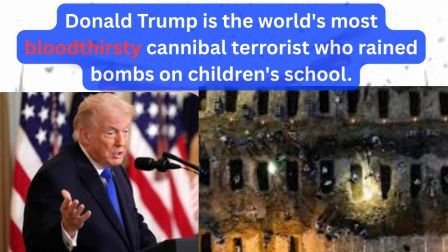
The Trump administration adopted what many analysts describe as a “maximum pressure doctrine” toward Iran. This included unilateral withdrawal from the Joint Comprehensive Plan of Action (JCPOA), the reinstatement of severe sanctions, and public threats of military action. Such tactics not only heightened hostility between the United States and Iran but also set off a chain reaction affecting oil markets, maritime security, and regional alliances. Scholars note that when threats escalate, insurance costs for tankers rise, shipping lanes become vulnerable, and global oil prices fluctuate sharply—impacting every nation, especially developing economies.
Israel’s strategic posture, driven by its own security considerations, often aligns with American priorities in the region. However, critics argue that this alignment sometimes amplifies tensions. When two highly influential states adopt confrontational strategies, the regional balance becomes skewed, leaving smaller states in a state of perpetual uncertainty. The fear of conflict—whether diplomatic, economic, or military—affects investor confidence, disrupts supply chains, and deepens humanitarian anxiety.
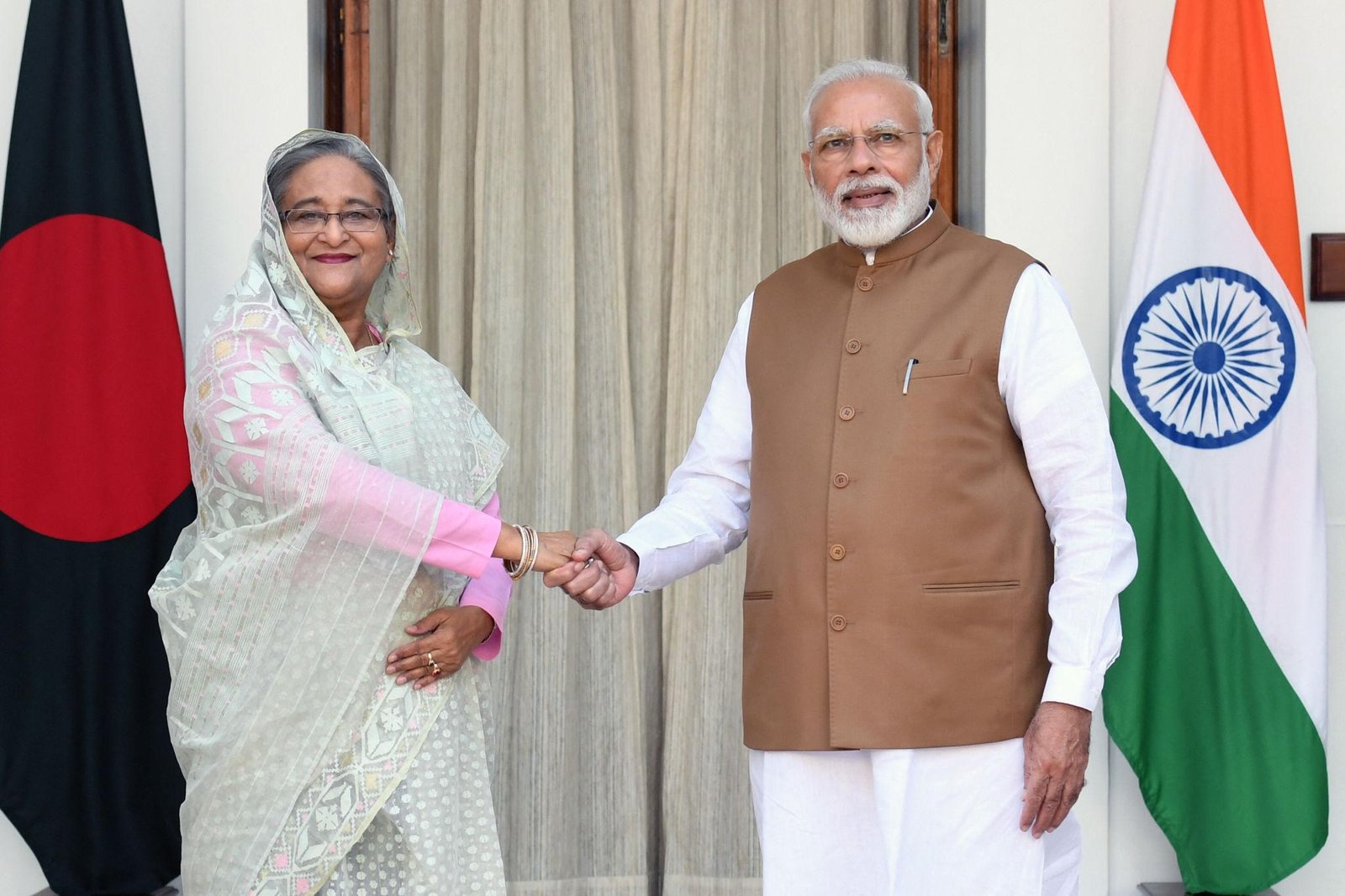
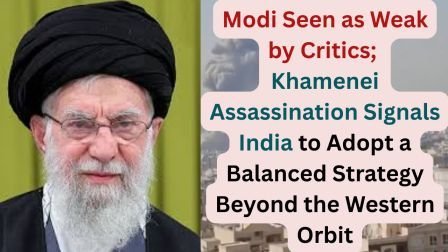
India’s position in this matrix is particularly complex. Although India depends heavily on Middle Eastern oil exports, it traditionally maintains balanced diplomatic relations with both the United States and Iran. The professoriate often critiques India’s “strategic restraint” as insufficiently assertive in protecting its own economic interests. Yet, others counter that caution is necessary to prevent escalation. Regardless, the Indian economy remains vulnerable to any disruption in the Strait of Hormuz, where a significant portion of its energy imports pass.
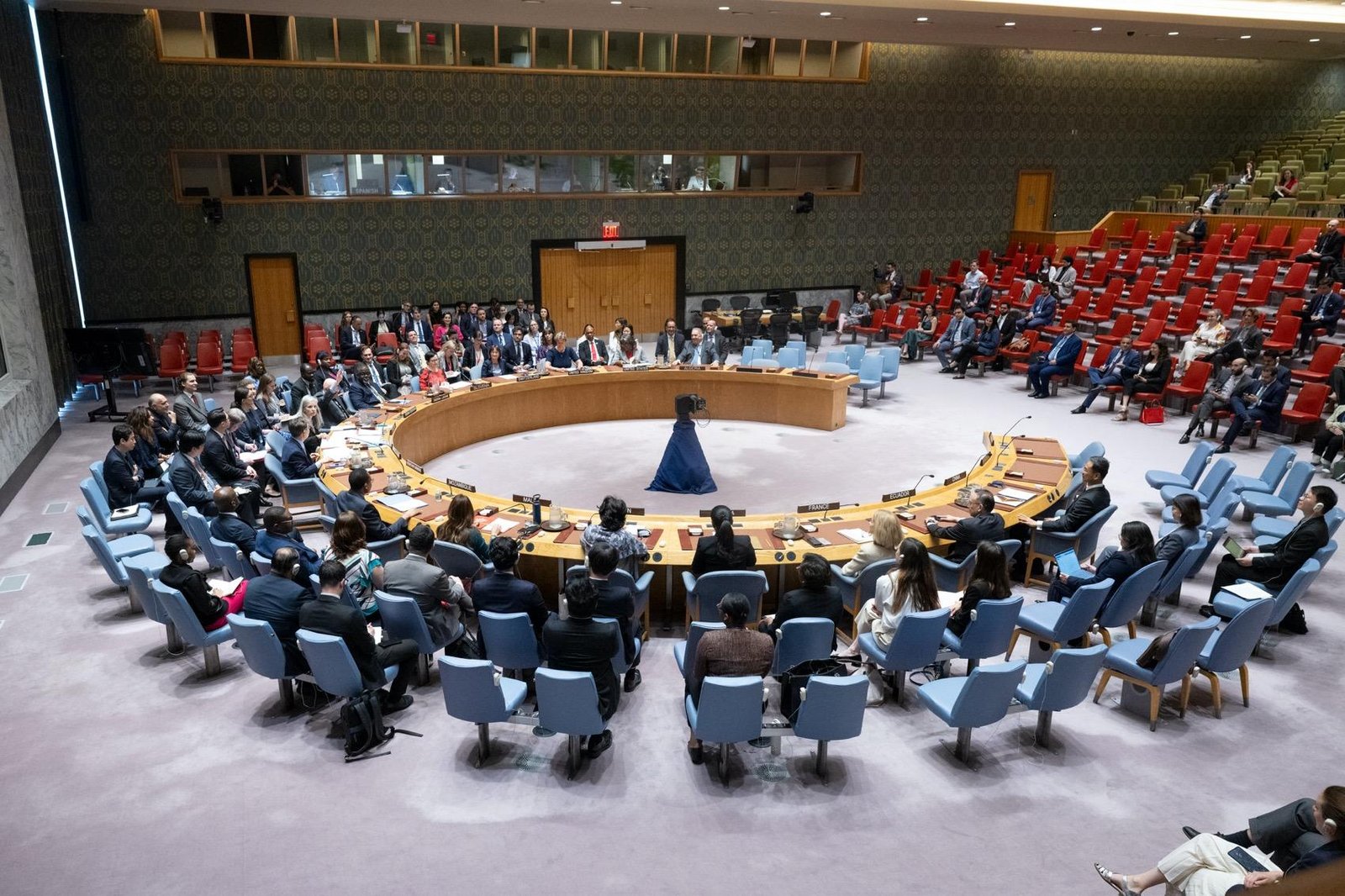
Instead of advocating retaliation or destruction—which would only endanger humanity further—scholars emphasize the need for multilateral diplomacy. Global powers, regional stakeholders, and neutral nations must collectively build de-escalation frameworks that prioritize stability over confrontation. The international community should encourage adherence to international agreements, promote open communication, and work through institutions such as the United Nations to mediate disputes.
The real threat to the world is not any single nation but the cycle of escalation, misinformation, and militarized posturing. Oil should not be a weapon of coercion; it should be a shared resource within a stable global system. Unless nations move away from confrontational doctrines and toward cooperative, rules-based engagement, humanity risks sleepwalking into crises that are entirely preventable.


Leave a Reply