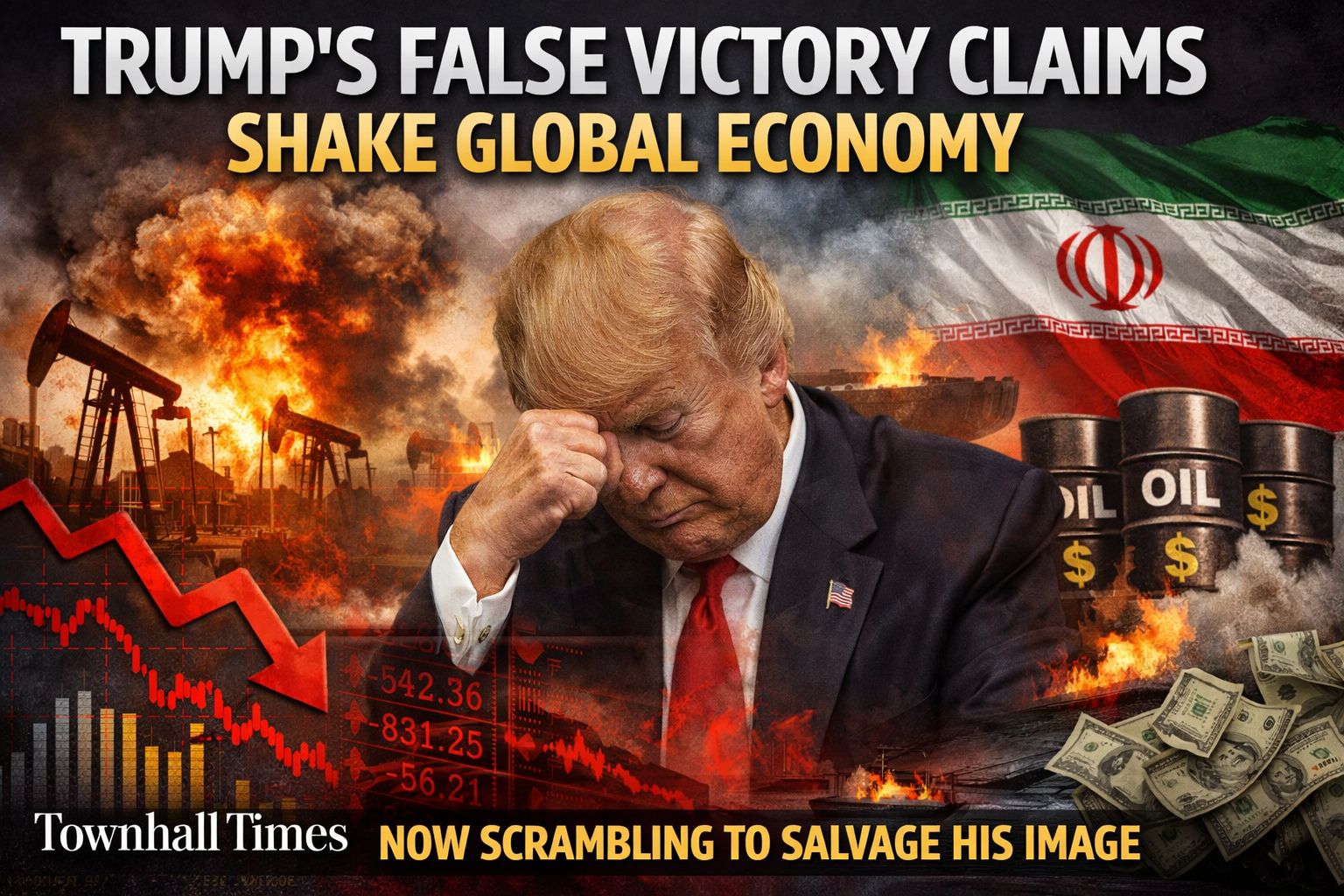
Washington/New Delhi Recent statements and policy shifts by Donald Trump regarding the ongoing Iran conflict have triggered intense global debate, with analysts pointing to inconsistencies that may reflect deeper strategic challenges for the United States.
Just days after signaling openness to negotiations with Iran, Trump has adopted a dramatically different tone claiming success in the conflict, while simultaneously indicating that the U.S. was not fully aligned with Israel over recent strikes on Iranian oil infrastructure. This apparent contradiction has raised concerns about coordination between key allies and the coherence of U.S. foreign policy.
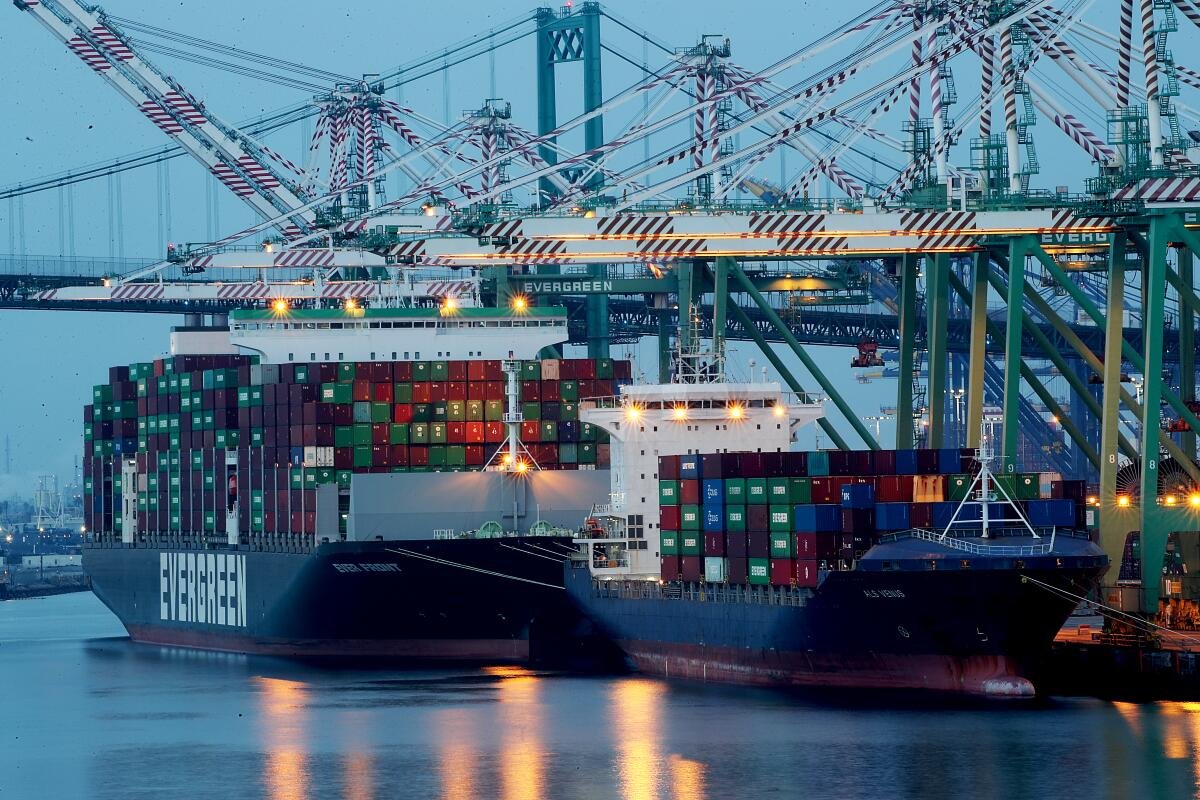
Adding to the uncertainty, Trump’s announcement that sanctions on Iranian oil exports would be relaxed effectively allowing global buyers to re-enter the Iranian market marks a significant reversal of long-standing pressure tactics. For many observers, this move suggests that controlling rising oil prices and stabilizing global markets has taken priority over strategic containment of Iran.
Experts argue that such rapid shifts in policy and messaging can be interpreted as signs of reactive decision-making under pressure rather than a clearly defined long-term strategy. The Iran conflict has already disrupted global energy flows, increased geopolitical risk, and placed significant strain on international markets. In this context, the U.S. response appears increasingly adaptive and, critics say, inconsistent.
The situation also reflects broader challenges for Washington’s global leadership. For decades, the United States has positioned itself as a stabilizing force in international conflicts. However, the current crisis has exposed limitations in its ability to fully control outcomes, particularly in a multipolar geopolitical environment where regional powers are more assertive.
There are also growing concerns about the impact on Israel’s security position. With Iran showing no clear signs of de-escalation, the conflict risks entering a prolonged phase. Analysts warn that without a coordinated and predictable strategy, the situation could intensify further, placing additional pressure on both regional allies and global markets.
Trump’s public statements ranging from declarations of victory to expressions of surprise over allied military actions have further fueled debate about the clarity and consistency of U.S. messaging. In international diplomacy, such signals are closely watched, as they shape perceptions of strength, reliability, and intent.
Critics argue that these mixed messages may undermine confidence in U.S. leadership at a time when global stability is already under strain. Supporters, however, contend that flexibility in policy is necessary in a rapidly evolving conflict and that economic measures like easing oil sanctions could help prevent a deeper global crisis.
Ultimately, the unfolding situation highlights a critical moment for U.S. foreign policy. Whether these developments represent strategic recalibration or a loss of direction remains a matter of debate. What is clear, however, is that the Iran conflict has not only reshaped regional dynamics but also raised fundamental questions about the role and influence of the United States on the world stage.






Leave a Reply