
Townhall Times, New Delhi
Reporter: Bhavika Kalra
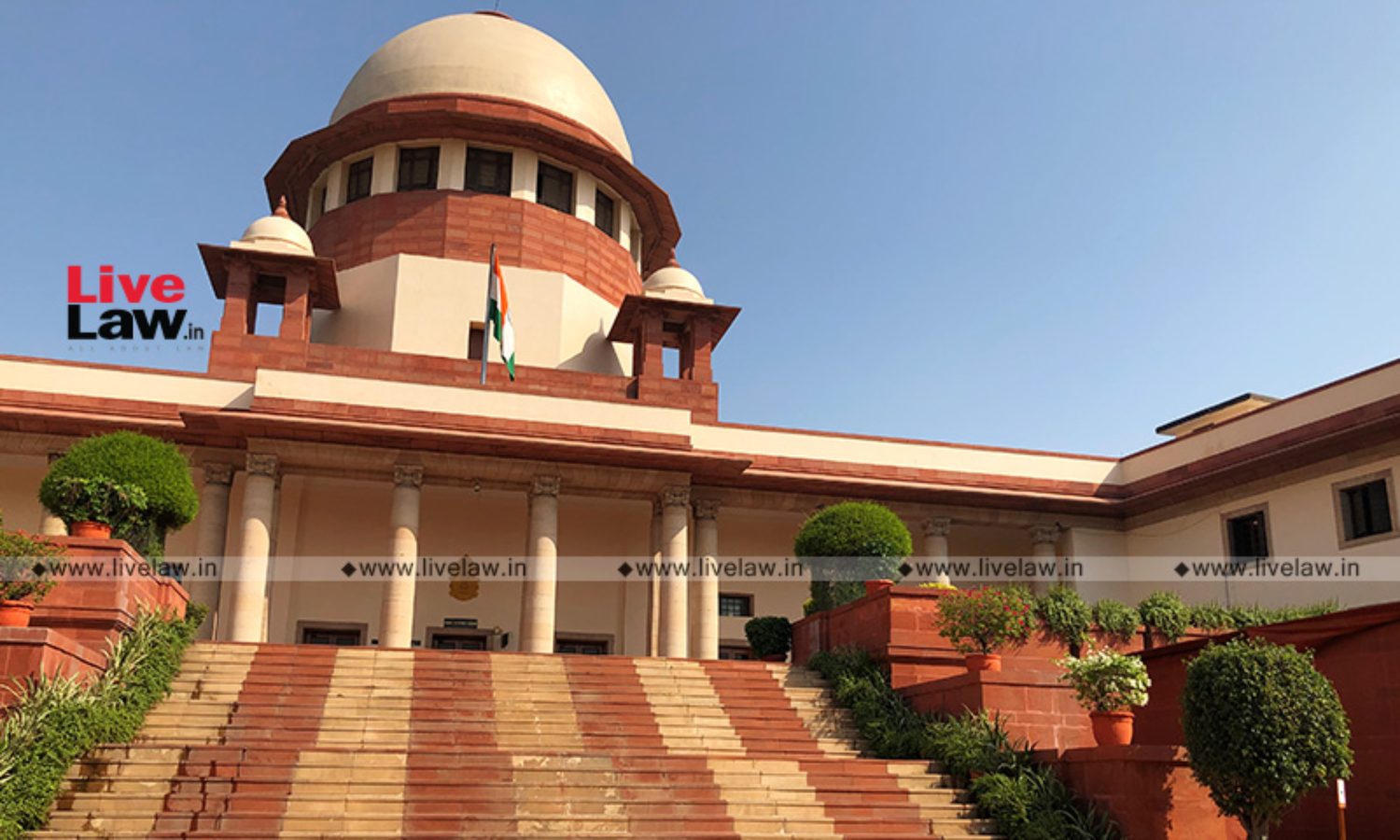
As of today, February 17, 2026, the Supreme Court is zeroing in on what many call the “Ultimate Loophole”—the ₹2,000 cash rule. Here is the lowdown on what’s actually happening in the courts right now, minus the corporate jargon.
The “Pocket Change” Scam
The law currently says (under Section 13A of the IT Act) that political parties don’t have to name anyone who gives them less than ₹2,000 in cash. It sounds like a small amount, right?
But here’s the trick: Parties have been “breaking” large chunks of black money into thousands of tiny ₹1,999 donations. It’s anonymous, it’s untraceable, and it’s massive. In today’s hearing, the petitioners pointed out that in a country where even a chai-wala takes UPI, there’s no excuse for a political party to be handling bags of cash.
What the Bench is Saying
Justices Vikram Nath and Sandeep Mehta have been pretty blunt. They’ve issued notices to the Center and the Election Commission. The vibe in the courtroom is clear: If the 2024 judgment said that voters have a “Right to Know” (Article 19) who funds a party, then that right shouldn’t stop just because the donation is in cash.
The big arguments on the table today:
-
The UPI Revolution: If India is the world leader in digital payments, why is political funding still stuck in the 90s?
-
Audit Gaps: Some parties have filed reports showing “Zero” donations above ₹20,000, yet they have hundreds of crores in the bank. Where did it come from? “Membership fees” and “small cash” is the standard (and suspicious) answer.
-
The Symbol Threat: There’s a serious proposal to freeze election symbols for any party that refuses to go 100% digital.
The “Data vs. Privacy” Battle
Just yesterday (Feb 16), the Court also referred a bunch of petitions to a Constitution Bench regarding the new Data Protection laws. This is relevant because the government is trying to use “Privacy” as a shield to hide information about public officials and their funding. The Court is essentially deciding: Does your right to privacy as a donor outweigh my right to know as a voter?
The Bottom Line
We are looking at a potential “Zero-Cash” mandate. If the Court goes through with this, it will be the death of anonymous funding in India. No more “coupons,” no more “membership cash”—just a clean, digital trail.
Did anyone actually think that killing off Electoral Bonds would magically stop the flow of dark money? It was a big headline back in 2024, sure, but the people in power are always two moves ahead.
Right now, as we’re sitting here on February 17, 2026, the Supreme Court is finally staring at the “elephant in the room” that everyone’s been politely ignoring: the ₹2,000 cash loophole.
Think about it for a second. In an India where even a guy selling tea on a mountain trail has a QR code, how is it that political parties are still claiming they “don’t know” who gave them thousands of crores? The trick is simple: you just break a massive pile of black money into thousands of tiny ₹1,999 envelopes. Since it’s under two grand, the law says the party doesn’t have to keep a record. It’s the ultimate “get out of transparency free” card.
The “Ghost” Parties of Gujarat
Here is the kicker that came out in court today. There are these ten “ghost” parties in Gujarat that nobody has ever seen on a ballot. They don’t hold rallies, they don’t have offices, and they barely get any votes. Yet, they somehow managed to rake in ₹4,300 crore.
How? It looks less like politics and more like a massive laundry machine for cash. They report spending billions, but when you look at their actual election activity, it’s practically zero. Even the Justices—Vikram Nath and Sandeep Mehta—sounded like they’d heard enough. They’re essentially asking: Why does this loophole even exist in a digital-first country?
The Monopoly on Trust
Since the bonds died, the money didn’t disappear; it just changed its name to “Electoral Trusts.” The latest data from 2026 is staggering. Over 82% of all trust money—basically ₹3,157 crore—went into a single pocket. That isn’t a “level playing field.” It’s a financial monopoly that makes it impossible for smaller voices to be heard.
The “Zero-Cash” Dream
What’s on the table now is a potential “Zero-Cash” mandate. The Court is hinting that it might force parties to go 100% digital. No more bags of cash. No more “anonymous well-wishers.” Every single rupee would need a digital ID and a PAN number linked to it.
If this actually goes through, it’ll be a bigger shock to the system than the 2024 judgment. We’re talking about stripping away the last veil of secrecy in Indian politics. But as anyone who follows the money knows, whenever you close one door, the lawyers and accountants start looking for a window. The only question is: what will the next loophole be?




Leave a Reply