
Townhall Times, New Delhi
Reporter: Bhavika Kalra
Tuesday, February 24, 2026
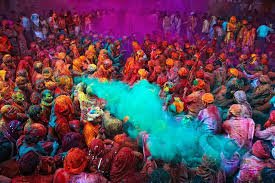
While millions are gearing up for the “Main Holi” on March 4, these communities are sticking to a different script—one written in mourning, ancient curses, or simply a different calendar.
1. The ‘Curse’ of Kaithoon (Rajasthan)
In Kaithoon, near Kota, the looms of Kota Doria weavers keep humming, but the colors stay in the fabric.
-
The Reason: Local folklore tells of a tragic death in a prominent family on Holi generations ago. Since then, the village has viewed the day as a time of mourning rather than celebration.
-
The Reality: It’s not about being “anti-festival”; it’s about a deeply ingrained ancestral respect. They don’t play with water or colors, and the day passes like any other working Tuesday.
2. The 150-Year Silence: Durgapur (Jharkhand)
In the Bokaro district, the village of Durgapur has a ban that has lasted over a century.
-
The Legend: It is said that the son of a local king died on the day of Holi. The dying wish or the grief of the king resulted in a “ban” on the festival to avoid further misfortune.
-
The Fear: Villagers believe that playing with colors will bring drought or disease to the cattle. Even in 2026, the youth of the village usually leave for the city if they want to celebrate, as the village itself remains a “No-Holi Zone.”
3. The Tamil Nadu & Kerala ‘Disconnect’
In the far south, Holi isn’t “banned”—it just isn’t the main character.
-
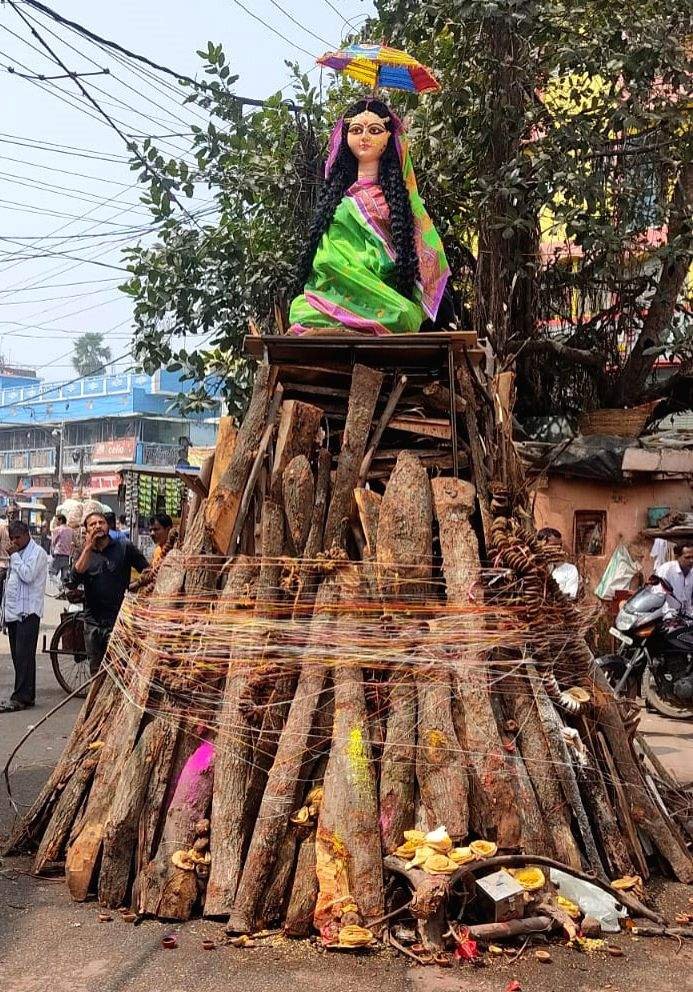
Cultural Priority: Today, while North India is talking about Holika Dahan, people in Tamil Nadu are preparing for Masi Magam or local temple festivals.
-
The Urban Shift: You’ll see colors in Chennai or Kochi’s IT parks, but in the traditional heartlands, Holi is viewed as a “northern import.” They focus on Pongal or Vishu as their seasonal resets.
4. The ‘Blood Moon’ Factor: Holi 2026 Special
There is a new reason for silence this year. On March 3, 2026 (Chhoti Holi), a Total Lunar Eclipse (Chandra Grahan) is going to be visible across India.
-
The Sutak Period: Traditional households and temple towns like Vrindavan and Mathura are scrambling their schedules. Because of the Sutak (inauspicious period before an eclipse), many will stop all “Holi play” and shut temple doors by 6:00 AM on March 3.
-
The Impact: This rare celestial event is turning 2026 into a “Quiet Holi” for many orthodox families who believe that playing with colors during an eclipse brings bad luck.
5. Summary of ‘non-celebrants’ in 2026
| Place/Region | Primary Reason | 2026 Outlook |
| Kaithoon, RJ | Ancestral Mourning | Business as usual. |
| Bokaro Villages, JH | Historical “Curse” | Total silence; no color sales. |
| Traditional Kerala | Cultural Difference | Focus on local deity festivals. |
| Orthodox Households | Lunar Eclipse (March 3) | Rituals paused during Sutak. |
The Status Right Now
As of tonight, Tuesday, Feb 24, the Lathmar Holi in Barsana is already seeing massive crowds. But in the villages mentioned above, life remains unchanged. For them, the victory of “good over evil” is honored through memory and silence, not purple powder.








Leave a Reply