
Townhall Times, New Delhi
Reporter: Bhavika Kalra
By: Political Bureau, New Delhi Monday, February 23, 2026
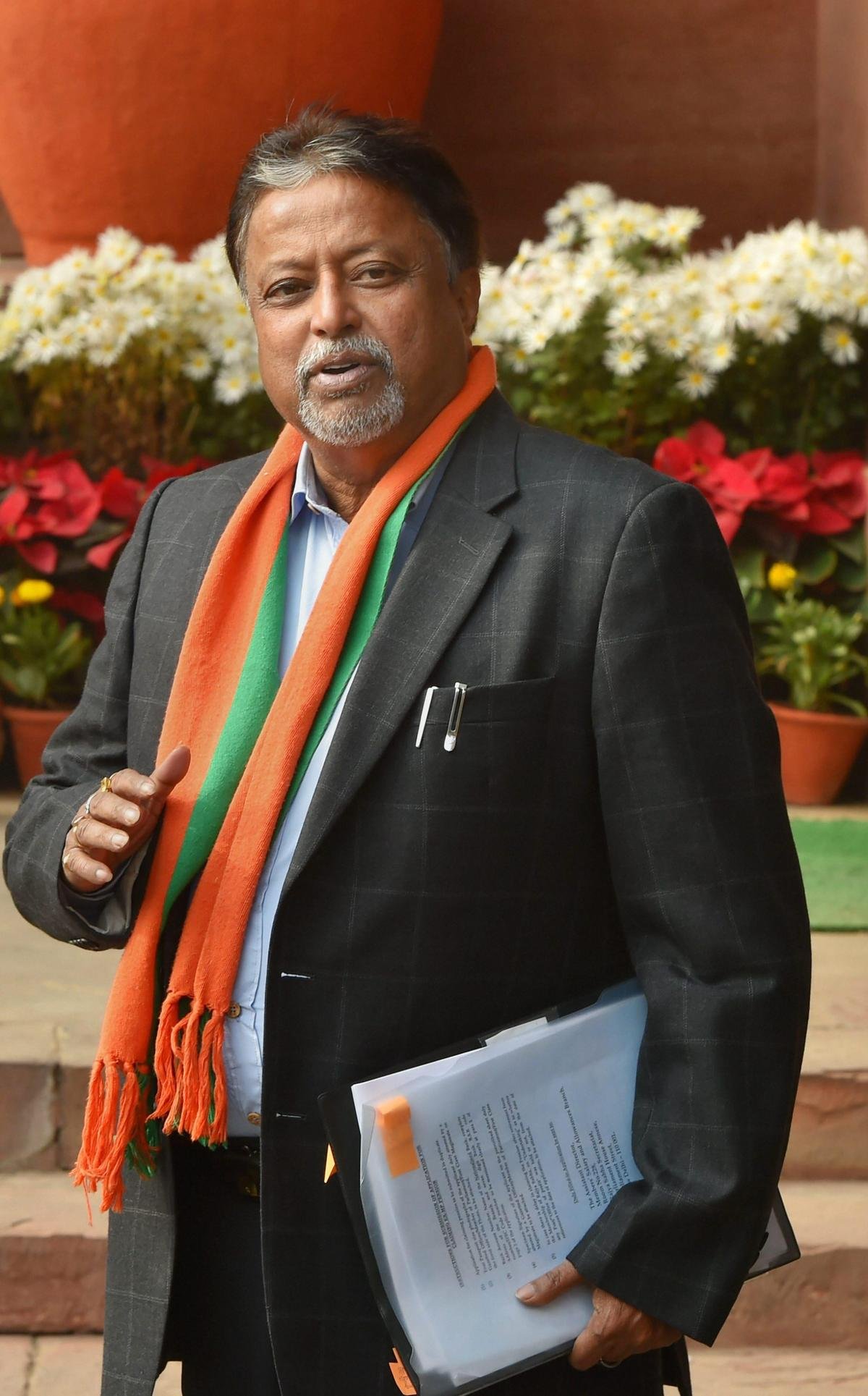
The lights went out today on one of the most enigmatic and shrewd political minds to ever walk the corridors of the North and South Blocks. Mukul Roy, the man who was once the ultimate arbiter of power in East India and a pivotal force in New Delhi’s coalition era, has passed away.
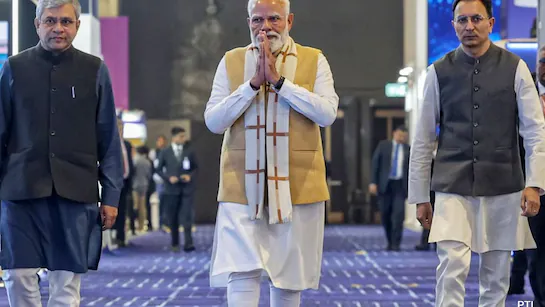
Prime Minister Narendra Modi’s condolence message this morning was more than just a formal courtesy; it was an acknowledgment of a breed of politician that is rapidly disappearing. The PM noted Roy’s “grassroots connect” and “administrative acumen,” but those who worked with Mukul-da (as he was known) know those words only scratch the surface of a man who could map an entire state’s electoral pulse on a single sheet of paper.
The Man Who Mapped the Booths
Mukul Roy wasn’t a leader of rallies or a master of the televised soundbite. He was the master of the “booth.” Long before data analytics and AI took over Indian elections, Roy was a human supercomputer. He knew the name of the local block president in a remote village as well as he knew the seniority list of the IAS officers in the Ministry of Railways.
His rise from a grassroots worker to a Union Minister was a masterclass in organizational patience. He was the “fixer”—the man who could talk to an angry ally, a striking union, or a disgruntled bureaucrat and leave them all feeling like they had won, while he walked away with exactly what he wanted.
The Railway Years: Connectivity Beyond the Tracks
When Roy took over as Union Minister, specifically during his stint in the Ministry of Railways, he didn’t view the portfolio as just a set of tracks and trains. For him, every new station and every extended line was a political artery. He understood that in a country like India, infrastructure is the most potent form of political communication.
He was a pragmatic administrator. He wasn’t interested in grand, unattainable visions; he focused on the “now.” He pushed for connectivity in regions that the national map had forgotten, and in doing so, he built a loyal base that lasted long after he left the ministry.
The Chanakya of Transitions
The most fascinating part of Mukul Roy’s legacy was his role as a bridge. He was one of the few leaders who could navigate the massive shift from the old coalition politics of the 2000s to the more centralized, high-stakes politics of the 2020s. He survived and thrived in multiple camps, not because of opportunism, but because his organizational skill set was so rare that every side needed him.
He was the “invisible hand” behind some of the biggest political shifts in Bengal and New Delhi. He had the rare ability to maintain friendships across the aisle, a trait that made him a vital asset for any Prime Minister looking to manage a restless Parliament.
An Era Ends in Silence
In his later years, as he stepped back from the relentless glare of the cameras, Roy remained a figure of consultation. Younger MPs from all parties would often be seen at his residence, picking his brain on how to manage a constituency or navigate a legislative crisis.
He leaves behind a void in the “working class” of Indian leadership. He proved that you don’t need a famous last name or a booming voice to reach the Union Cabinet; you just need to know your people better than anyone else does.
As the Prime Minister noted, Roy’s passing is a loss to the entire political fraternity. But for those who saw him work—quietly, strategically, and always three steps ahead—the loss is deeper. It is the loss of a political manual on how to win, how to govern, and how to remain relevant in the ever-shifting sands of Indian democracy.


Leave a Reply