
Townhall Times, New Delhi
Reporter: Bhavika Kalra
By: Regional Desk (North) | New Delhi
Tuesday, February 24, 2026
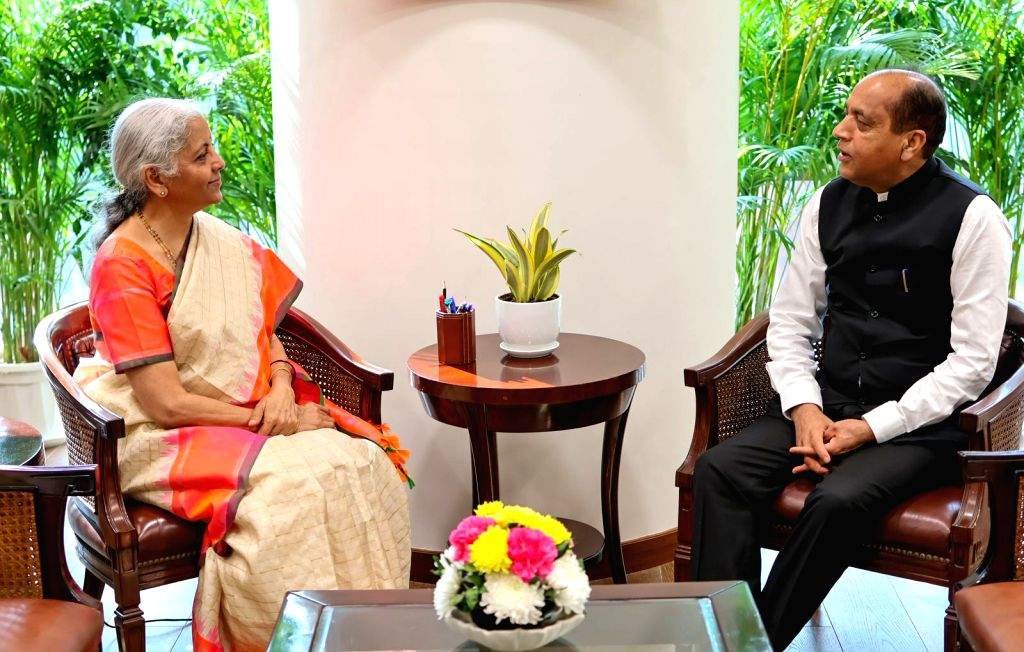
Himachal Pradesh is currently caught in a classic “Geography vs. Economy” pincer move. Today, CM Jairam Thakur made it clear to Nirmala Sitharaman: the standard 90:10 funding ratio for hill states is no longer enough when a single cloudburst can wipe out ₹500 crore of infrastructure in six hours.
Here is the deep-dive breakdown of the demands, the data, and the high-stakes friction.
1. The Fiscal Reality: The ₹85,000 Crore Shadow
Himachal isn’t just a tourist paradise; it’s a state under heavy financial pressure.
-
The Debt Burden: As of early 2026, the state’s debt is hovering near ₹85,000 crore.
-
The Salary Bill: A massive chunk of the state’s own tax revenue goes straight into salaries and pensions for one of India’s largest per-capita government workforces.
-
The “Cost of Construction” Gap: Building 1 km of road in the plain’s costs roughly ₹2-3 crore. In Lahaul or Spiti, thanks to the 2026 environmental regulations and terrain difficulty, that cost has spiked to ₹8-12 crore. Thakur is arguing that “National Norms” are effectively bankrupting the state.
2. The 4-Point ‘Mountain’ Manifesto
Today’s meeting wasn’t about small change; it was about structural reform.
-
A. The ‘Himalayan Development Package’: Thakur is pushing for a one-time ₹10,000 crore stimulus specifically for “Climate-Resilient Infrastructure.” This means roads that don’t wash away during the now-unpredictable monsoon patterns of 2025-26.
-
B. GST Compensation Extension: With tourism revenue still recovering from the 2025 “flash flood” slump, the state is asking for a special 3-year extension on GST compensation.
-
C. Green Bonus: Himachal is a “Carbon Sink” for India. The CM’s argument? “We preserve the forests that clean the air for Delhi and Punjab; we should be paid for that ecosystem service.”
-
D. Border Infrastructure: Given the strategic proximity to the LAC, the state wants the Centre to take over the entire cost of border-access roads, rather than the current cost-sharing model.
3. Sectoral Deep Dive: The 2026 Outlook
| Sector | The Crisis | The CM’s Demand |
| Horticulture | 2025 saw a 30% crop loss due to logistics. | Cold-chain funding for the “Apple Belt.” |
| Hydropower | Stagnant royalties and high siltation. | Debt restructuring for state-run power projects. |
| Tourism | Overtourism in Manali; zero growth in “Old Himachal.” | Funding for the “Nai Rahein, Nai Manzilain” circuit. |
4. The Political Undercurrent
With the 2027 state elections looming, Thakur knows he needs “visible” infrastructure—the Bhanupali-Bilaspur rail link and the widening of the Pathankot-Mandi highway. The Centre’s response today was “supportive but cautious,” hinting that any special package will be tied to strict fiscal discipline targets.
[Image: An infographic showing the “Price of a Mountain Road” vs “Price of a Plain Road” – Highlighting the 4x cost multiplier for Himachal.]
5. What Happens Next?
The Finance Ministry has reportedly asked for a “Techno-Economic Feasibility Report” on the disaster mitigation fund by next month.
-
Short-term: Expect a minor bump in the Rural Development grants.
-
Long-term: This meeting sets the stage for the 17th Finance Commission discussions, where Himachal will lead a “Hill State Bloc” (including Uttarakhand and Sikkim) to demand a permanent “Terrain Difficulty Multiplier” in India’s tax-sharing formula.


Leave a Reply