
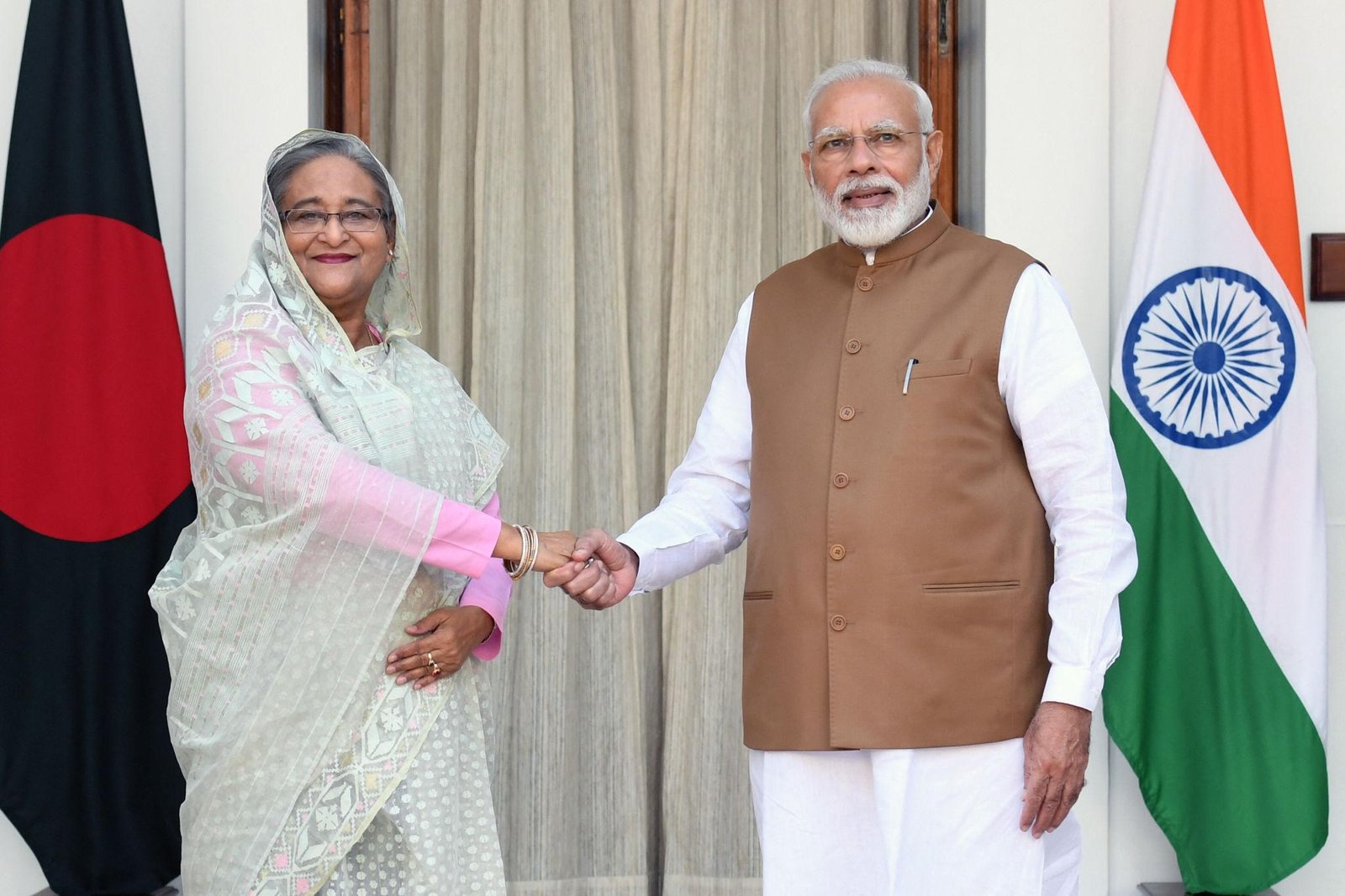
Townhall Times, New Delhi
Reporter: Bhavika Kalra
If you’ve been watching the headlines over the last month, you know we aren’t just looking at a “diplomatic meeting”—we are witnessing a complete survival strategy. After a grueling 18-month interim period that saw borders closed and rhetoric turn cold, the new administration in Dhaka under Prime Minister Tarique Rahman has realized that ideology doesn’t keep the lights on.
Today, March 26, marks a massive turning point. It’s not about suddenly becoming “best friends”; it’s a cold, pragmatic realization that with the Middle East on fire and oil prices hitting $104 a barrel, India and Bangladesh simply cannot afford to be enemies.
1. The Diesel Lifeline: Why This Matters More Than Ever
The biggest headline today is the roar of the pumps at the India-Bangladesh Friendship Pipeline. This isn’t just a technical update; it’s a massive win for energy security.
-
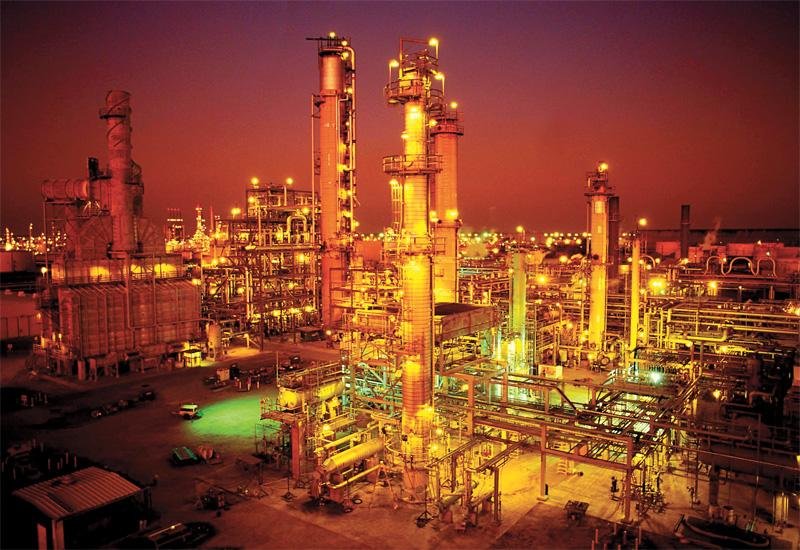
The Ground Reality: Just this morning, a 5,000-tonne consignment of diesel reached the Parbatipur depot in northern Bangladesh, sent straight from the Numaligarh Refinery in Assam.
-
The “War” Context: With Iran and Israel currently locked in a conflict that has strangled the Strait of Hormuz, Bangladesh was facing a genuine blackout risk. By reopening this pipeline, India is effectively bypassing the global shipping chaos to deliver fuel directly to Bangladesh’s doorstep.
-
The Long-Term Play: The deal involves moving 180,000 tonnes of diesel this year alone. For a country like Bangladesh, which is struggling with foreign exchange reserves, getting a steady, land-based supply of fuel from its neighbor is the difference between a functioning economy and a total collapse.
2. Visa Services: Breaking the 18-Month Freeze
For nearly a year and a half, the Indian High Commission in Dhaka felt like a fortress. Unless you were literally dying and needed a hospital in Chennai, getting a visa was next to impossible.
-
The Reopening: Today, the doors are finally creaking open. The High Commission has confirmed that tourist and student visas are being phased back in.
-
The Security Factor: The reason it took so long wasn’t just politics; it was safety. After the unrest and attacks on Indian centers last year, New Delhi was understandably hesitant. However, Dhaka’s new Home Minister has reportedly given a “zero-tolerance” guarantee for the safety of Indian staff and buildings.
-
The Human Impact: If you’re one of the thousands waiting to visit relatives in West Bengal or head to Kolkata for business, the backlog is massive. It’s going to take months to clear, but for the first time in a long time, the system is actually moving.
3. Security: The “Secret” Handshake
The real backbone of this reset is happening behind closed doors between intelligence agencies. For India, the “red line” has always been the same: The Northeast.
-
No Safe Havens: The new government in Dhaka has sent a very clear signal this week—insurgent groups from India’s Northeast will no longer find a “safe haven” on Bangladeshi soil. In exchange, India has dialed down the “shoot-on-sight” policy at the border.
-
The Petrapole-Benapole Coordination: This week, high-level meetings resumed at the border. We are seeing the return of coordinated patrolling between the BSF and the BGB. This is huge because it stops the small skirmishes that usually blow up into major diplomatic rows.
-
Intelligence Sharing: Both sides are now back to sharing data on human trafficking and smuggling, which had almost completely stopped during the interim period.
4. The Economic “Big Picture” for 2026
Bangladesh is graduating from “Least Developed Country” (LDC) status this year. While that sounds like a promotion, it actually means they lose a lot of global trade perks and “free passes.”
-
The CEPA Ambition: Both nations are now fast-tracking the Comprehensive Economic Partnership Agreement (CEPA). Basically, Bangladesh needs the Indian market to sell its garments and products more than ever before.
-
Bypassing the “Chicken’s Neck”: There is serious talk today about expanding rail links that allow Indian goods to travel through Bangladesh to reach the Northeast. This would bypass the crowded Siliguri corridor and cut down transport costs by nearly 30%.
-
Connectivity is Back: The Kolkata-Dhaka-Agartala bus service is officially back on the road. It’s a small symbol, but it shows that the physical barriers are finally coming down.
The Bottom Line
What we are seeing today, March 26, 2026, is “Business-First Diplomacy.” Both New Delhi and Dhaka have looked at the global maps—the wars in the Middle East, the rising cost of energy, and the instability of global markets—and decided that regional stability is the only way to survive.
It’s about making sure the diesel flows, the visas get processed, and the borders stay quiet. In a world this chaotic, that’s as close to a “peace deal” as we’re going to get.





Leave a Reply