

Townhall Times, New Delhi
Reporter: Bhavika Kalra
The global landscape is currently undergoing a tectonic shift that goes far beyond simple innovation. We are witnessing a simultaneous explosion in Artificial Intelligence, renewable energy, and semiconductor manufacturing that is effectively redrawing the map of the global economy. Experts are no longer calling this a trend; they’re calling it the “Decade of Transformation.” The choices being made today in research labs and government boardrooms are fundamentally altering how we heal, how we travel, and how we protect our digital borders.
Beyond the Hype: AI’s Real-World Footprint
While the early days of AI were dominated by chatbots and parlor tricks, the technology has now moved into the backbone of essential services. In the healthcare sector, the shift is literal lifesaving. We are seeing AI-driven diagnostic tools identify patterns in oncology and neurology that often elude even the most seasoned human eyes. By processing massive datasets through refined machine learning, the medical field is pivoting from “broad-stroke” treatments to hyper-personalized care.
The impact is equally felt in the classroom and the factory floor. Smart learning platforms are beginning to adapt to individual student needs in real-time, while heavy industries use automation to streamline everything from logistics to customer support. However, this progress comes with a persistent “human” asterisk. There is a growing urgency to address the displacement of traditional roles, making digital upskilling a core necessity rather than a luxury.
The Green Energy Pivot and the Storage Holy Grail
With the climate clock ticking, the transition to Green Energy has shifted from an ethical choice to a survival strategy. Solar and wind projects are seeing an unprecedented influx of capital as major economies race toward aggressive net-zero targets for 2030 and 2050. In India, for instance, the push for Green Hydrogen and massive solar parks is positioning the nation as a central hub for renewable exports.
The real gamechanger, however, isn’t just generating energy—it’s storing it. The limitations of current lithium-ion batteries have sparked a high-stakes race into Solid-State Battery technology. These next-generation cells promise to be safer, longer-lasting, and significantly more efficient. For the electric vehicle (EV) market, this could be the final nail in the coffin for “range anxiety,” making green transport a practical reality for the average commuter.
Silicon Sovereignty: Why Semiconductors are the New Oil
If data is the modern currency, semiconductors are the mint. The supply chain crises of the last few years served as a brutal wake-up call for nations that had outsourced their silicon needs. Today, chip manufacturing is no longer just about gadgets; it is a pillar of national security. Every smartphone, modern car, and missile defense system depends on these microscopic components.
This has triggered a global scramble for “onshoring” chip plants. India’s aggressive move to become self-reliant in this space—backed by massive government incentives—is a prime example of this shift. Success here doesn’t just mean local jobs; it gives a nation a strategic seat at the table in the high-stakes world of global electronics.
The Private Frontier and the Cyber Shield
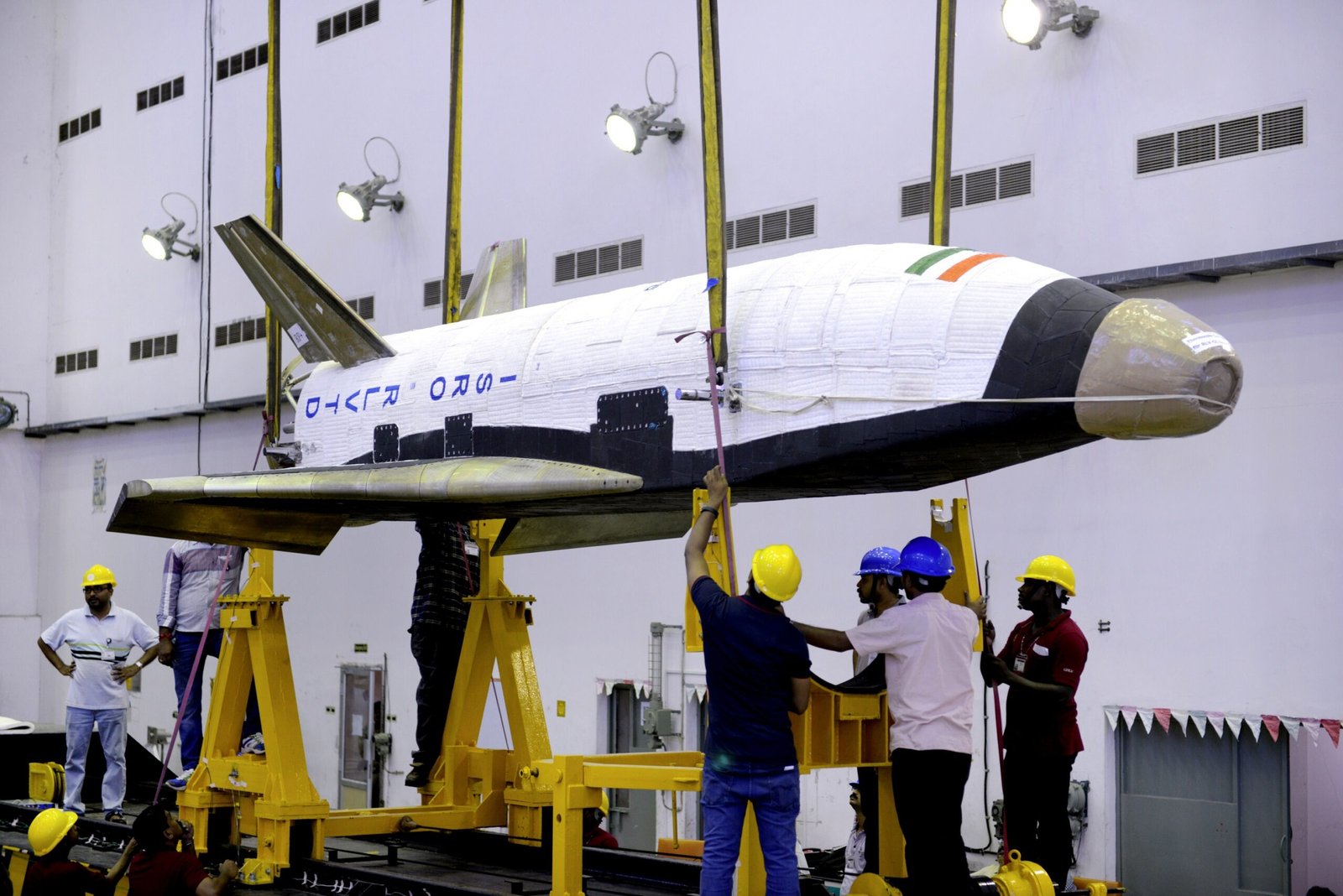
Space is no longer the exclusive playground of government agencies. The democratization of the “Final Frontier,” fueled by startups and commercial satellite launches, is accelerating at a dizzying pace. We are seeing a boom in small-satellite constellations that are revolutionizing everything from climate tracking to rural internet connectivity.
Meanwhile, as our lives migrate further into the digital realm, the “attack surface” for cyber threats has widened. Protecting banking and national infrastructure is now a daily battle. The response has been a surge in advanced encryption and AI-based security systems that act as a digital immune system, neutralizing threats before they even manifest.
Final Reflections
We are standing at a unique crossroads in history. The breakthroughs in AI, Green Energy, and Space Tech offer a path to a more sustainable world, but they also bring heavy responsibilities—from ensuring data privacy to maintaining ethical standards in automation. The coming years will be a test of whether we can balance the sheer speed of this growth with the human values required to keep society stable.











Leave a Reply