
Townhall Times, New Delhi
Reporter: Bhavika Kalra
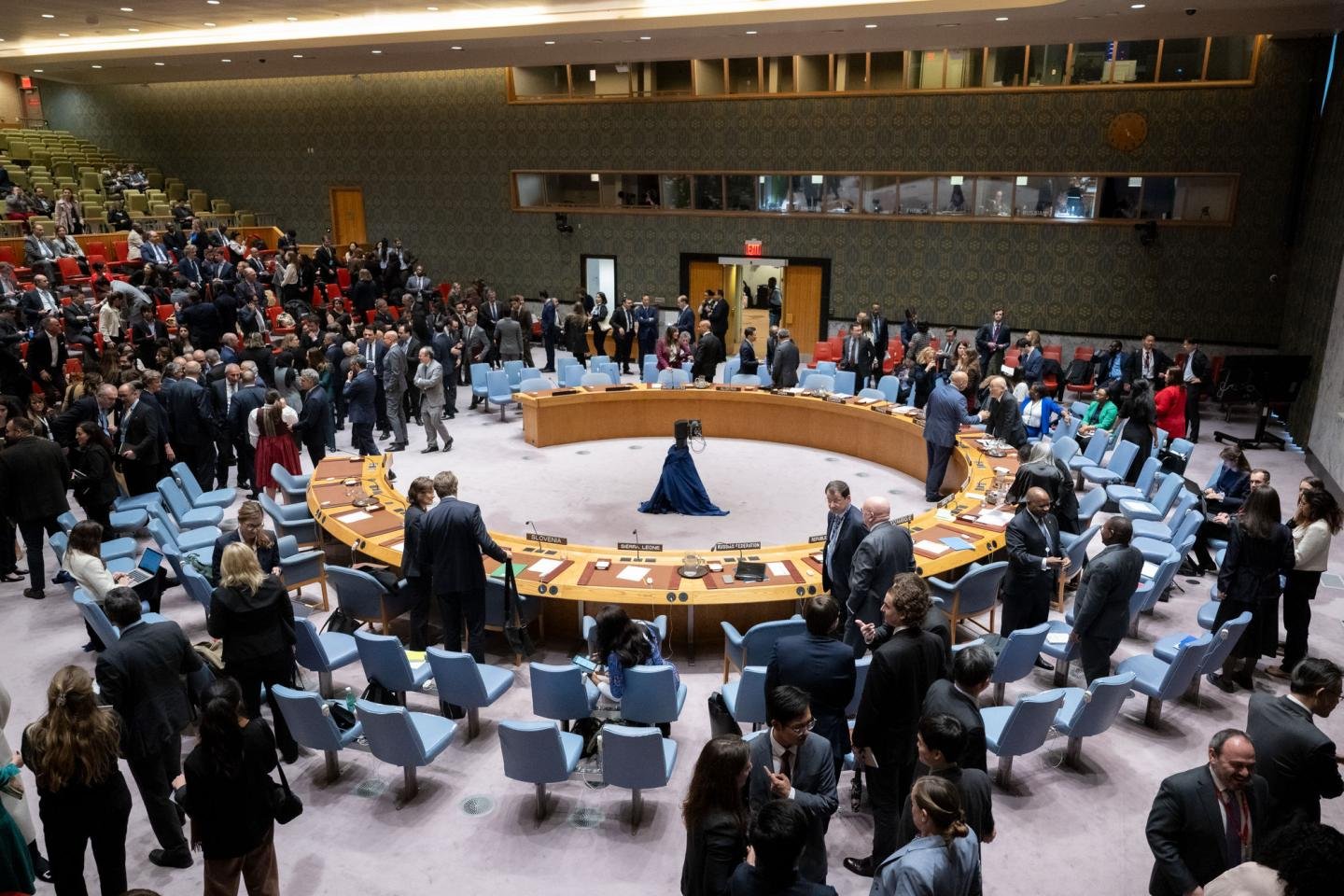
In 2026, the idea of a “domestic” political event is basically a fairy tale. Whether it’s a surprise election result in a major economy or a sudden coup in a resource-rich corner of the world, the shockwaves don’t stop at the border. They hit your stock portfolio, redirect oil tankers mid-ocean, and redraw military alliances before the morning news hits your phone. Global stability isn’t a static thing; it’s a constant balancing act.
The Personality Pivot: Why One Person Matters
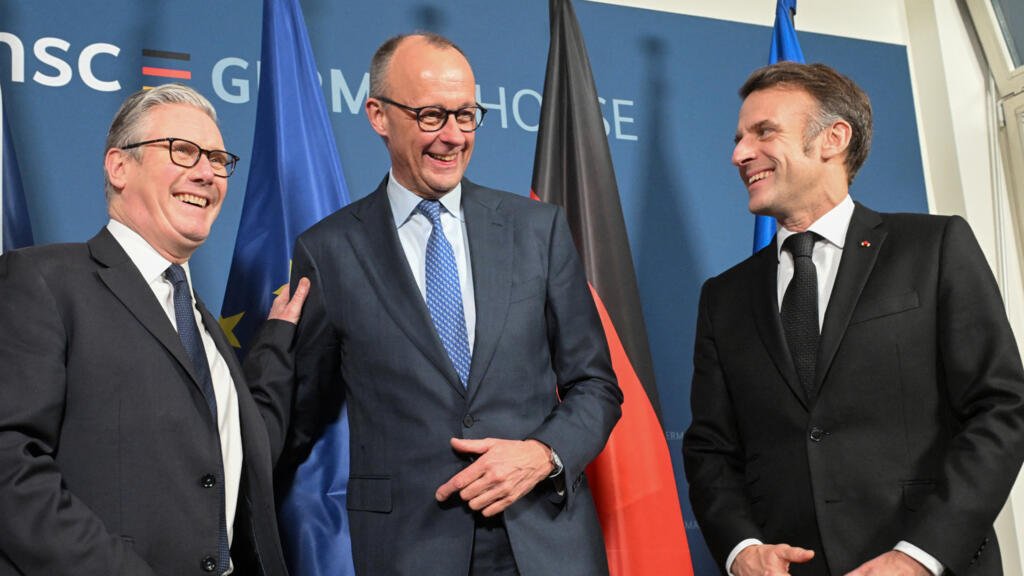
When a new face enters the seat of power, the “foreign policy rulebook” often goes straight into the shredder. We’ve seen that democratic elections are usually stabilizing, but they can trigger massive “policy whiplash.”
Imagine a leader who spent years building global trade ties being replaced by someone who prioritizes “nationalism.” Overnight, decades of diplomacy vanish. On the flip side, non-democratic shifts—like military takeovers—create an immediate “black hole” for money. Capital flight happens in hours, not days. Investors pull billions out of a country faster than a tweet can go viral, leaving the local economy to pick up the pieces.
Superpowers and the “Sneeze” Effect
There’s an old saying: when a major power sneezes, the rest of the world catches a cold. In 2026, it’s more like a fever.
-
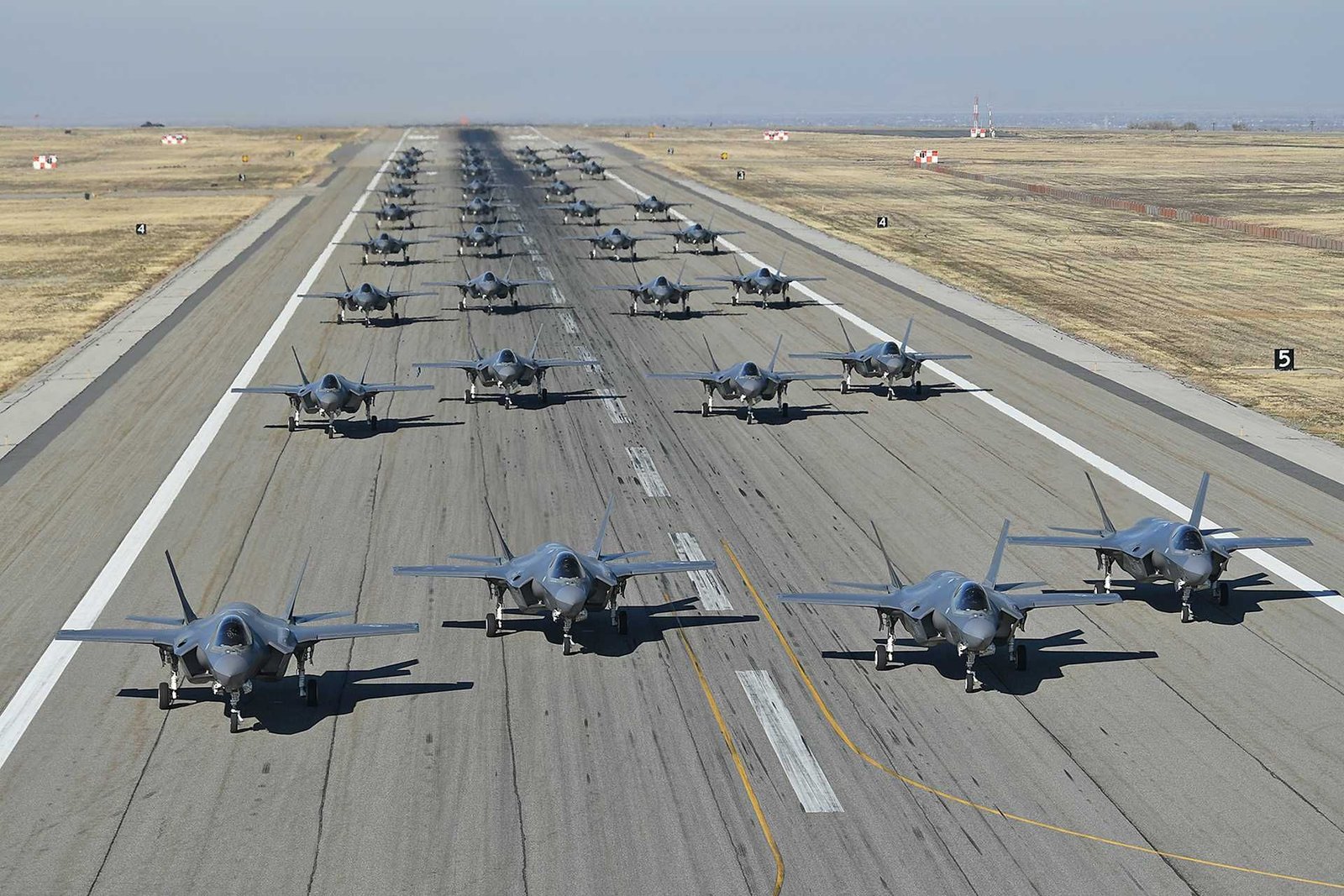
Alliance Anxiety: If a new leader starts questioning a 50-year-old defense pact, neighboring countries don’t just sit and wait. They start their own arms races. We see it every time a major power’s leadership changes—suddenly, everyone is pouring money into missile tech and “defense modernization.”
-
Market Chaos: The currency markets are the first to feel the heat. A single hawkish speech can cause a 3-5% swing in regional exchange rates in under an hour. That’s the difference between a profitable trade year and a total wipeout for many businesses.
Flashpoints: The Global Chokepoints
Most global crises don’t start at a fancy summit. They start at a dusty border fence or a disputed oil field. These regional “feuds” are the world’s most dangerous tripwires.
The Real-World Cost of Tension:
-
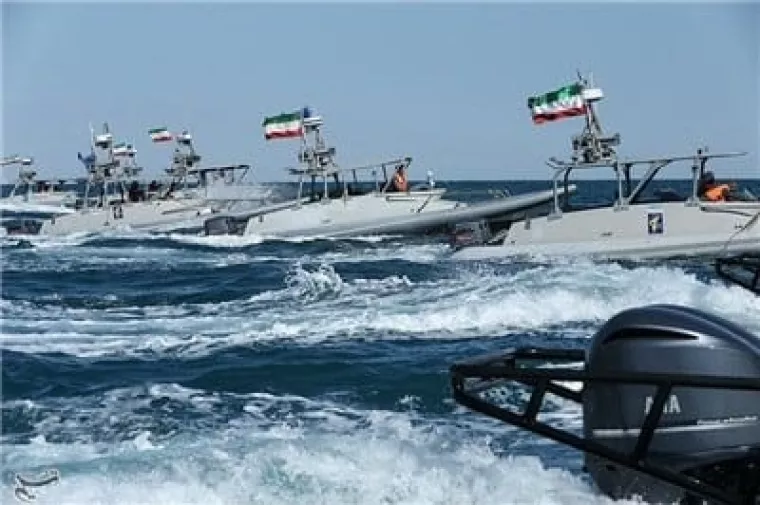
The Shipping Trap: Nearly 12% of global trade moves through specific maritime “bottlenecks.” If a regional conflict flares up near a strait like Hormuz, shipping insurance premiums don’t just rise—they explode. This is why your electronics and fuel prices start climbing even if the war is thousands of miles away.
-
Energy Markets: With oil-rich regions often being the most volatile, a localized skirmish can send Brent Crude prices up by $5–$10 per barrel in a single trading session.
The Digital Front: 2026’s “Phase Zero”
Leadership shifts today aren’t just fought at the ballot box; they are fought on the server. Cybersecurity experts now recognize that every regional tension has a “Digital Phase.”
-
The Narrative War: AI-driven misinformation can flip public perception during a leadership crisis, making peaceful transitions almost impossible.
-
Infrastructure Hits: We are seeing more “deniable” cyberattacks on power grids and banks during political handovers, aimed at paralyzing a new leader before they even sit in the chair.
The Human Cost: More Than Just Numbers
Beyond the stock tickers is the human tragedy. Unstable transitions and regional wars are driving a displacement crisis that the world is struggling to handle. As of 2026, over 110 million people are estimated to be on the move. This isn’t just a humanitarian issue; it’s a political one. Large-scale refugee flows often lead to further leadership shifts in neighboring countries—creating a cycle of instability that’s incredibly hard to break.
The Bottom Line
Stability isn’t about stopping change; it’s about making it predictable. As we move further into this multipolar era, the margin for error is getting thinner. Every election and every border skirmish is being watched with bated breath. In an age where everything is connected, managing power transitions isn’t just a national duty—it’s a global necessity.







Leave a Reply