
Townhall Times, New Delhi
Reporter: Bhavika Kalra
If you stand in the North Court of Rashtrapati Bhavan today, Monday, February 23, 2026, you aren’t just looking at a building; you’re looking at a battlefield of symbols. For nearly a century, these red and buff sandstone walls stood as the ultimate exclamation point of the British Raj. But yesterday’s ‘Rajaji Utsav’ changed the frequency of the place.
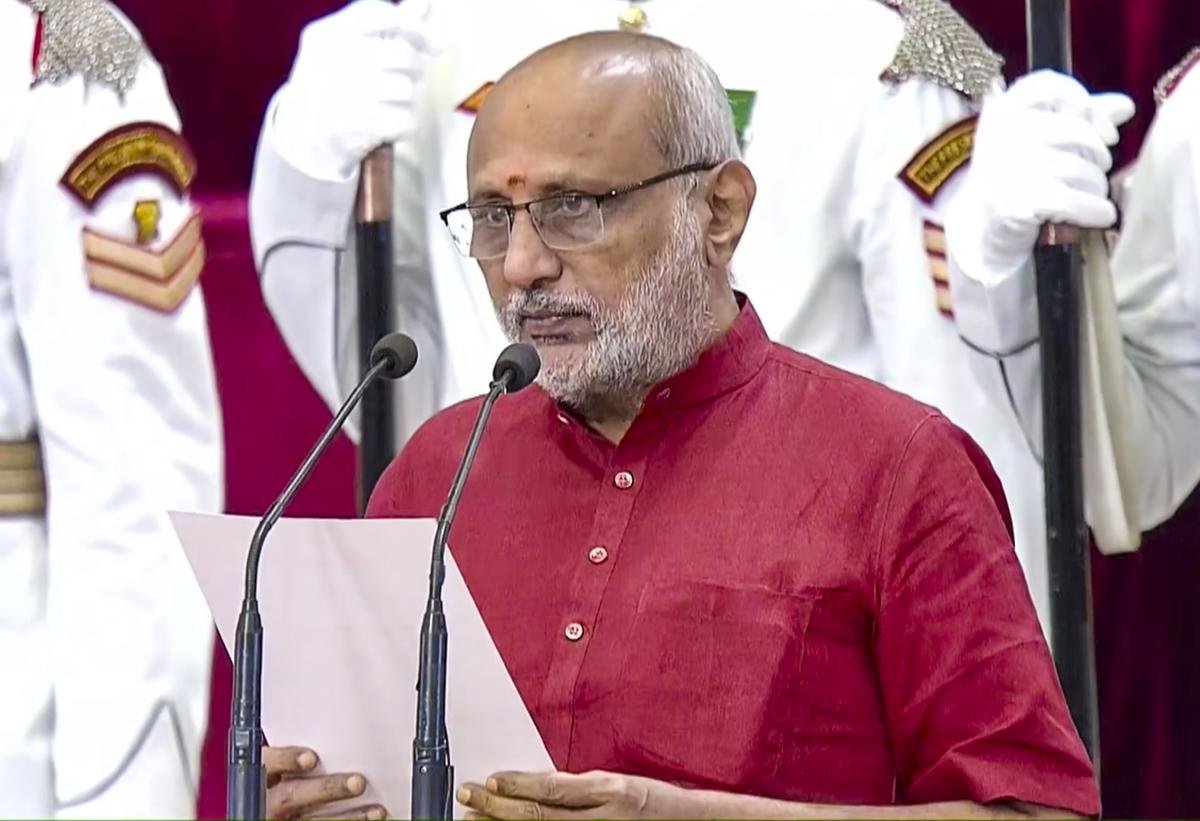
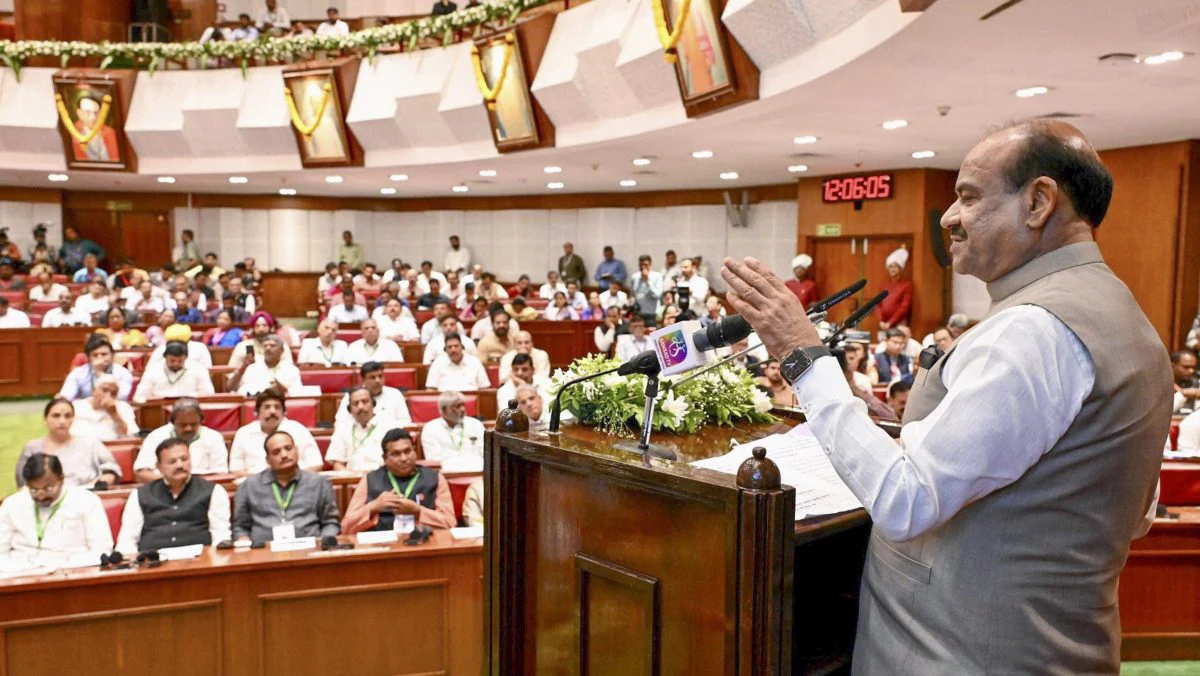
When Vice President C.P. Radhakrishnan pulled the cord to unveil the statue of C. Rajagopalachari, he didn’t just reveal a piece of bronze. He triggered a conversation about what it means to finally “decolonize” a space that was built to make Indians feel small. His words—“Eradicating the vestiges of colonial influence”—weren’t just rhetoric; they were a declaration of a psychological homecoming.
The Man Who Out-Thought the Empire
Rajaji wasn’t your typical freedom fighter. He wasn’t just a man on the streets; he was a man of the library and the law. As the last Governor-General of India—the only Indian to ever hold that specific title—he was the bridge. He was the one who walked into the Viceroy’s House not as a guest, but as the new landlord.
Placing his statue here is a masterstroke of historical irony. Rajaji was a man of “National Self-Assertion.” He didn’t just want the British to leave; he wanted the British mindset to leave. He was the one who warned us, even back in the 1950s, that if we replaced a foreign bureaucracy with a local one that acted the same way, we hadn’t truly won our freedom. By bringing him back to the center of Rashtrapati Bhavan, the state is acknowledging that his “intellectual decolonization” is still an unfinished project.
Reclaiming the Viceroy’s Shadow
Rashtrapati Bhavan was originally designed by Edwin Lutyens to project “imperial permanence.” Every pillar was meant to scream that the British were here to stay. When Rajaji lived there as Governor-General, he famously tried to minimize the pomp. He was the man who would walk the corridors in a simple dhoti, a stark contrast to the feathered hats and gold braid that preceded him.
The Vice President’s emphasis on “eradicating vestiges” is part of a much larger 2026 narrative. We’ve seen the renaming of the Rajpath to Kartavya Path; we’ve seen the installation of Netaji at the Canopy. But Rajaji is different. He represents the intellectual backbone of Indian conservatism and ethical pragmatism. He wasn’t just a soldier; he was a statesman who founded the Swatantra Party because he believed the state should stay out of the citizen’s pocket.
The ‘Southern Leadership’ Signal
There is also a significant, though subtle, geographic message here. C.P. Radhakrishnan, hailing from Tamil Nadu himself, honoring Rajaji (the “Mango of Salem”), sends a clear signal about the “Nationalization” of Southern heroes. For too long, the narrative of Rashtrapati Bhavan was seen as Delhi-centric. By elevating Rajaji—the man who gave us the modern Tamil translation of the Ramayana and Mahabharata while running the country’s highest office—the government is re-stitching the fabric of Indian national memory to include the intellectual giants of the South.
Decolonization: More Than Just Removing Names
Decolonization is often misunderstood as just tearing things down. But as the Vice President noted, it’s about “re-centering.” It’s about making sure that when a young Indian walks through the gates of the President’s house, they don’t see the ghost of Lord Mountbatten; they see the sharp, bespectacled gaze of a man who stood for “Dharma” in politics.
Rajaji’s presence in Rashtrapati Bhavan is a reminder that India didn’t just “inherit” a system; we reclaimed a civilization. He was the one who combined the ancient wisdom of the Kural with the pragmatic needs of a 20th-century Republic.
The Bottom Line
As of February 23, 2026, the “Rajaji Utsav” marks a pivot point. The statue isn’t just a tribute to a dead leader; it’s a permanent inhabitant in the house of power. It’s a message that while the stones of the building might be British, the soul of the governance must be Indian. Rajaji has finally returned to the house he once helped transition into a democracy, and this time, he isn’t leaving.



Leave a Reply