
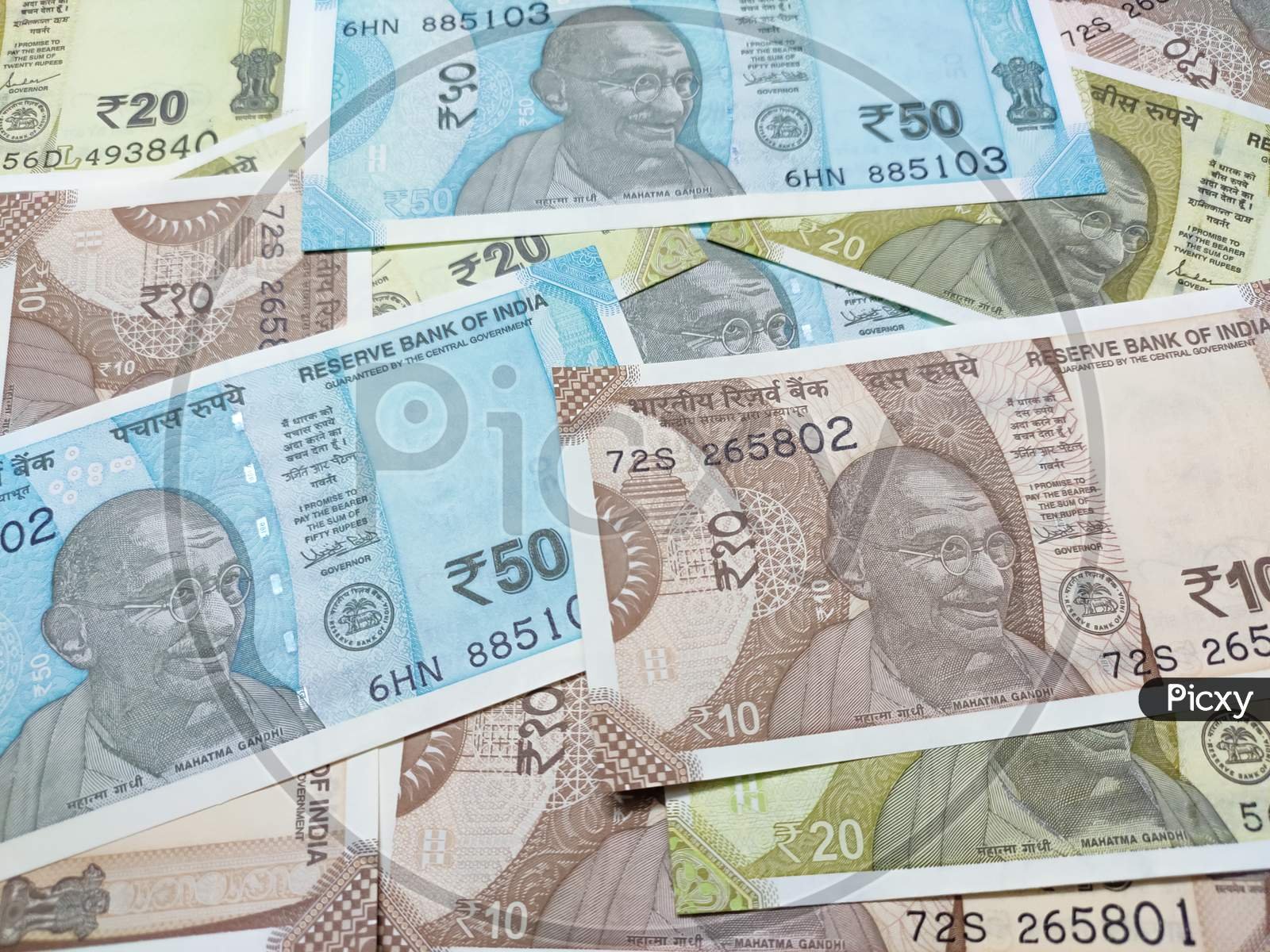
Townhall Times, New Delhi
Reporter: Bhavika Kalra
If you look at the global economic dashboard right now, most of the “Big Players” look like they’ve spent a week in a high-intensity spin class—exhausted, sweaty, and desperately looking for the exit. From the inflation-induced headaches in the Eurozone to the “will-they-won’t-they” recession drama in the States, the developed world is a bit of a mess. But then there’s India. While everyone else is bracing for impact, the Indian economy is behaving like that one relative at a wedding who dances through the power cut without missing a beat.
It’s not just “luck” or “favorable weather.” What we’re seeing is a massive, structural glow-up. India is currently balancing on a tripod of domestic consumption, a manufacturing adrenaline shot, and a digital infrastructure that makes Silicon Valley look like it’s running on dial-up.
GDP: The Number That Refuses to Chill
While major economies are out here celebrating a 1% growth rate like they’ve won the lottery, India is consistently clocking numbers that would make a math teacher weep. The service sector has long been the golden child, but it’s no longer just about IT support and back-office drudgery. We’ve pivoted into high-value consulting, global capability centers (GCCs), and a hospitality industry that is currently riding a “revenge travel” wave that refuses to break.
Then there is the physical “facelift.” The government is pouring money into infrastructure like it’s going out of fashion. We’re talking about thousands of kilometers of new highways that actually cut travel time and dedicated freight corridors that mean goods don’t just sit in trucks getting dusty. This “hard wiring” of the nation is systematically murdering the high logistics costs that have historically been the “Indian tax” on business. If India can move things faster and cheaper, the global competition should probably start looking over its shoulder.
Inflation: The Uninvited Guest That Just Won’t Leave
Let’s talk about the specter at the feast: Inflation. In India, the price of a kilo of tomatoes or a cylinder of cooking gas isn’t just an economic metric; it’s a political thriller. The “common man” (Aam Aadmi) has a budget that is essentially a house of cards. One spike in onion prices, and the whole thing wobbles.
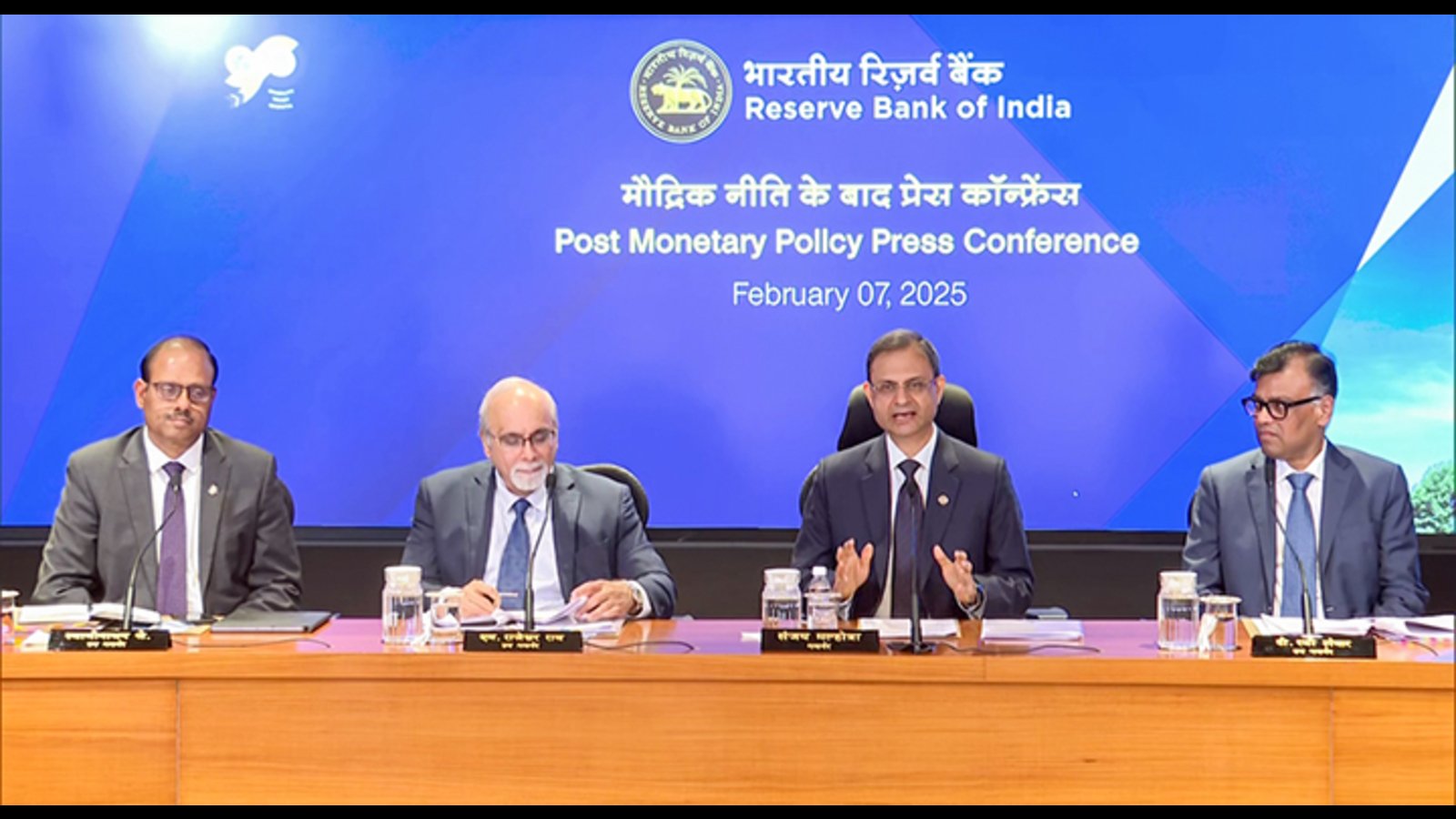
However, the Reserve Bank of India (RBI) has been acting like a particularly grumpy, over-protective bouncer. By playing a high-stakes game of “chicken” with interest rates, they’ve managed to keep inflation from spiraling into a 1920s Germany-style disaster. The wildcard, of course, is crude oil. Since India imports enough oil to fill several oceans, any time things get heated in the Middle East, the Indian petrol pump feels the heat. The pivot to green hydrogen and renewables isn’t just about saving the planet; it’s about a desperate, strategic need to stop being oil’s hostage.
The Stock Market: Not Just for the ‘Suits’ Anymore
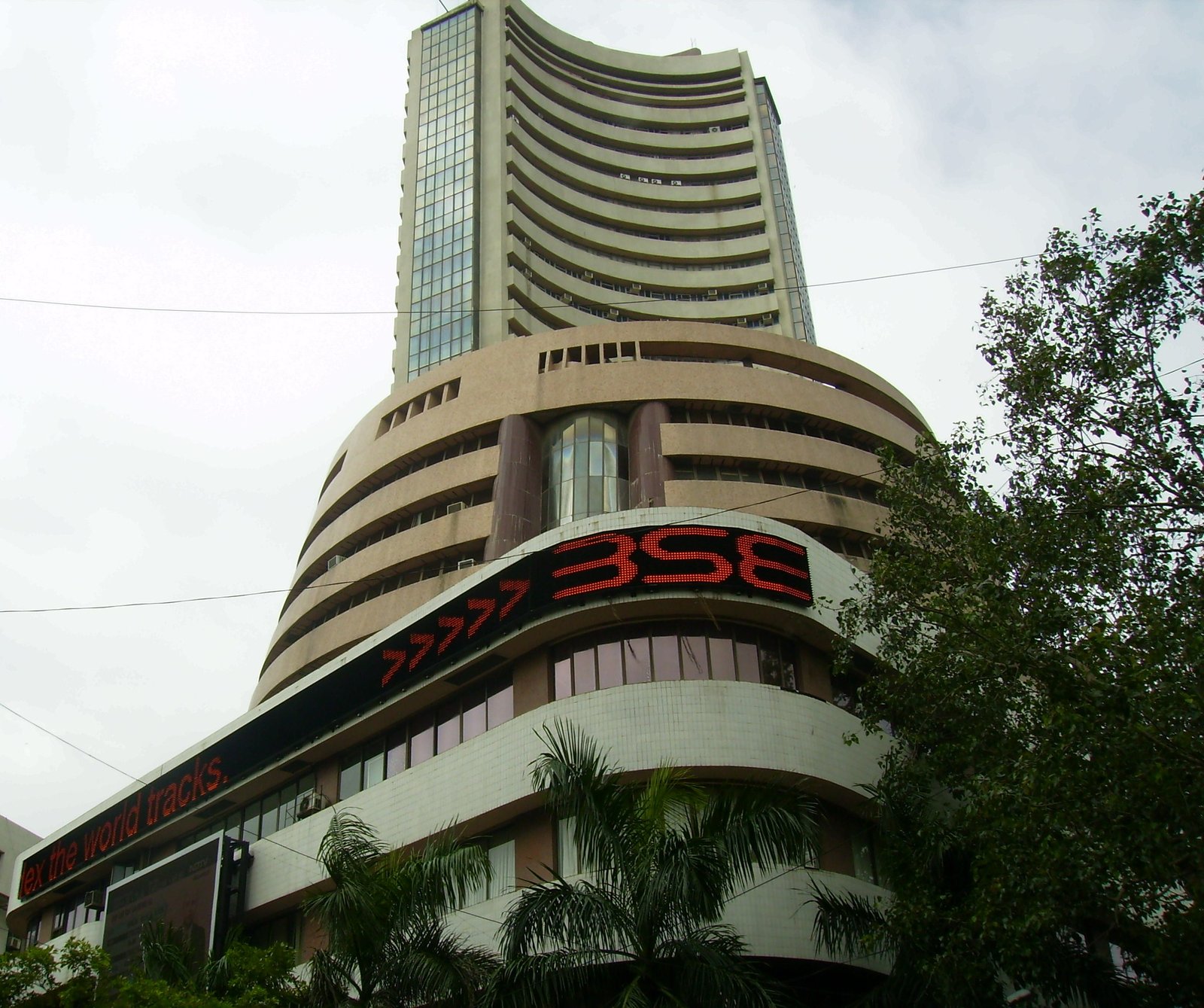
There was a time when the Indian stock market was essentially a puppet show controlled by Foreign Institutional Investors (FIIs). If the FIIs sneezed, Dalal Street caught pneumonia. Not today. Enter the Indian retail investor—armed with a smartphone and a SIP (Systematic Investment Plan).
Millions of middle-class Indians are now funneling their savings into the market. This homegrown “wall of money” has provided a cushion that has left global analysts scratching their heads. Even when foreign funds decide to pull out their cash, the domestic “retail army” holds the line. It’s a democratization of wealth that has turned the stock market from a niche club into a national pastime.
‘Make in India’ and the Great Semiconductor Gamble
The Production-Linked Incentive (PLI) schemes were once dismissed as marketing buzzwords, but the results are starting to get loud. India is now the world’s second-largest manufacturer of mobile phones. The ambition has now shifted to the “Holy Grail” of modern tech: Semiconductors.
In a world where silicon chips are more valuable than oil, India is trying to build its own foundry ecosystem. It’s a massive, expensive, and incredibly difficult gamble. But if it pays off? It won’t just be about saving money on imports; it will be about “Silicon Sovereignty.” If India starts making the brains for the world’s cars and computers, the global power balance shifts permanently.
The UPI Revolution: Cash is No Longer King
You can’t talk about the Indian economy without mentioning UPI. It is, quite simply, a digital miracle. Go to a high-end mall in Mumbai or a tiny tea stall in a mountain pass in Ladakh, and you’ll see the same thing: a QR code.
While Western countries are still fumbling with plastic cards or—heaven forbid—cheques, India has skipped a few steps and landed straight in the future. This isn’t just about convenience; it’s about transparency. It’s forcing the informal “cash-only” economy into the sunlight, widening the tax base, and giving small businesses a digital identity they can actually use to get loans from real banks.
The Reality Check: It’s Not All Laddoos and Celebrations
Basking in the glory is nice, but the challenges are real and they are stubborn. Unemployment, particularly among the youth, remains the “monster under the bed.” The startup boom is great, but a nation of 1.4 billion people can’t survive on apps alone. We need heavy-duty, blue-collar manufacturing to absorb the millions of workers entering the fray every year.
Then there’s the global slowdown. If the rest of the world stops buying, India’s export engine is going to cough. We aren’t an island; if the global tide goes out, even the strongest elephant can find itself in shallow water.
Final Reflections
The Indian economy is currently a fascinating mix of old-school grit and new-age tech. We’ve got a massive workforce, a digital-first brain, and a government that’s finally building the roads to connect the two. Is it perfect? Far from it. Is it chaotic? Always. But as the rest of the world struggles to find its footing, the “Indian Elephant” has found its stride. The next decade isn’t just an opportunity; it’s India’s to lose.











Leave a Reply