
Townhall Times, New Delhi
Reporter: Bhavika Kalra
New Delhi | Monday, February 23, 2026, By: Agri-Politics Desk
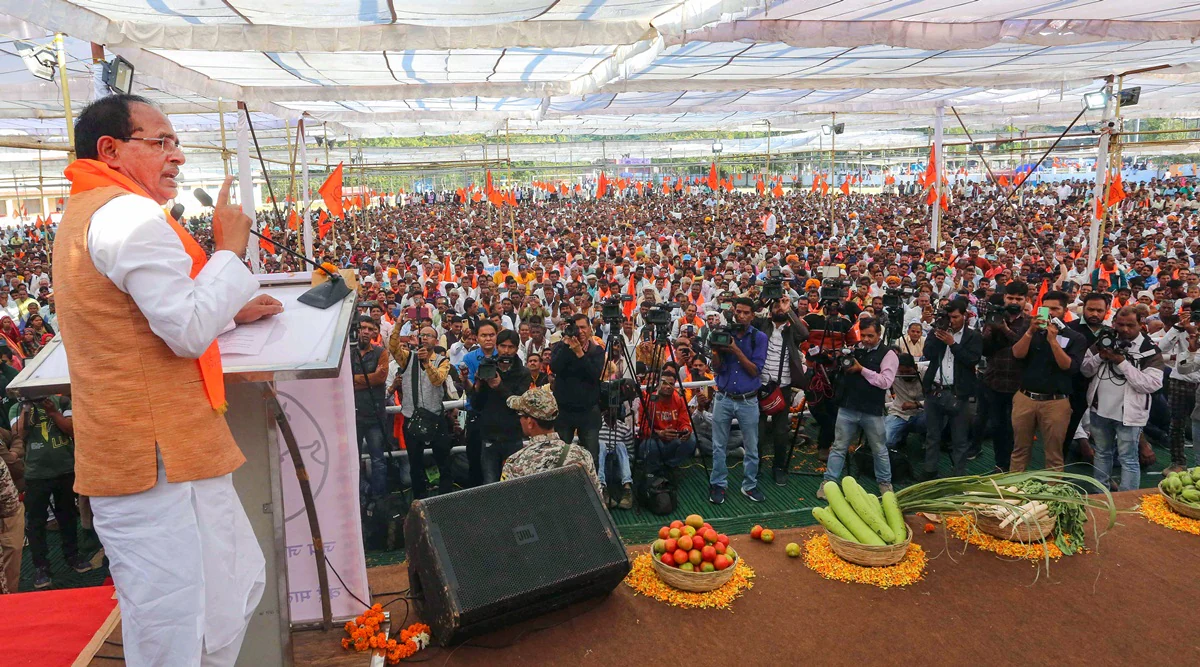
In the sprawling, green expanse of the Indian Agricultural Research Institute (IARI) campus—famously known as the Pusa Institute—preparations are reaching a fever pitch. On Wednesday, February 25, the Union Minister of Agriculture and Rural Development, Shri Shivraj Singh Chouhan, is set to inaugurate the Pusa Krishi Vigyan Mela 2026.
While the “Pusa Mela” is an annual fixture, the 2026 edition carries a different kind of weight. We are standing at a crossroads where the traditional “Green Revolution” methods are hitting a ceiling, and the climate is becoming increasingly erratic. Chouhan’s presence isn’t just a ceremonial gesture; it’s a political signal that the government is doubling down on climate-resilient technology and digital agriculture to secure the country’s food future.
Beyond the Ribbon-Cutting: The 2026 Agenda
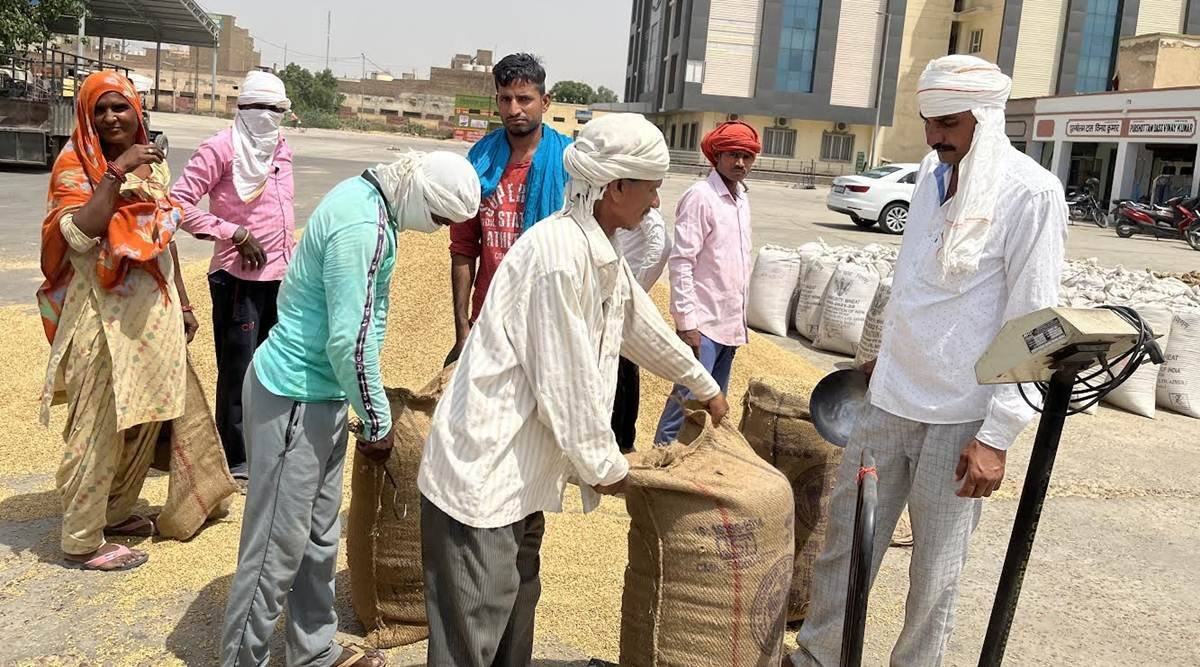
For the thousands of farmers already boarding trains from Punjab, Haryana, Madhya Pradesh, and Bihar, the Mela is less about speeches and more about survival. This year, the IARI scientists aren’t just showing off “high-yield” seeds; they are launching “stress-tolerant” ones.
The 2026 focus is sharp and unsentimental:
-
Climate-Smart Seeds: Expect the unveiling of wheat and paddy varieties that can survive sudden heatwaves—a phenomenon that has ravaged North Indian harvests in recent years.
-
The Drone Revolution: We’ve moved past the “testing” phase. This year’s live demonstrations will show farmers how to use drones for precision spraying, drastically cutting down on pesticide costs and health risks.
-
Digital Soil Health: Moving away from slow lab tests, IARI will showcase instant, AI-based soil testing kits that give results on a mobile app within minutes.
The Shivraj Singh Chouhan Factor
Since taking the helm of the Agriculture and Rural Development ministries, Chouhan has maintained the persona of a “Farmer’s Son” (Kisan Putra). His dual role is critical here. By linking Agriculture with Rural Development, he is pushing the idea that a farm isn’t just a patch of land, but a business unit.
At the Mela, the Minister is expected to push for the expansion of Farmer Producer Organizations (FPOs). The goal is simple but difficult: give small-scale farmers the collective bargaining power of a corporation. Chouhan’s address on the 25th will likely focus on how “Natural Farming” can be scaled without losing productivity—a massive challenge that the Pusa scientists have been working on behind closed doors.
The Startup Surge: Agriculture’s New Face
Walk through the stalls this year, and you’ll see fewer traditional hardware sellers and more Agri-Tech startups. The 2026 Mela features a dedicated “Innovation Pavilion” where young entrepreneurs are pitching everything from blockchain-based supply chains (to ensure farmers get a fair price) to solar-powered automated irrigation systems that “think” based on soil moisture levels.
Why Pusa Still Matters
In an age of satellite farming and lab-grown meat, why do thousands of farmers still flock to a physical fair in Delhi? Because in Indian agriculture, seeing is believing. A farmer might not trust a government pamphlet, but they will trust a live demonstration of a seed-drill or a 10-minute conversation with a scientist who developed the variety they are planting.
The Pusa Institute, which was the nerve center of the Green Revolution in the 1960s, is now trying to lead a “Green-Tech Revolution.” The 2026 Mela is the proving ground for whether India can maintain its food security while the planet warms up.
The Road Ahead
As the gates open on February 25, the challenge for Minister Chouhan and the IARI will be to ensure that the “Vigyan” (Science) in the Mela actually reaches the “Khet” (Field). Innovation is useless if it’s too expensive or too complicated for a smallholder farmer in Vidarbha or the Terai.
The 2026 Pusa Krishi Vigyan Mela is more than a fair; it’s a reality check for the future of the Indian kitchen.


Leave a Reply