
Townhall Times, New Delhi
Reporter: Bhavika Kalra
By: Regional Security Desk | Tuesday, February 24, 2026
The “fragile ceasefire” brokered by Qatar and Turkey last year has officially evaporated. Over the last 48 hours, the 2,600-km frontier between Pakistan and Afghanistan has turned into a combat zone, with Islamabad launching its most aggressive airstrikes deep into Afghan territory in over a decade.
1. The Weekend Escalation: 80 Dead in Airstrikes
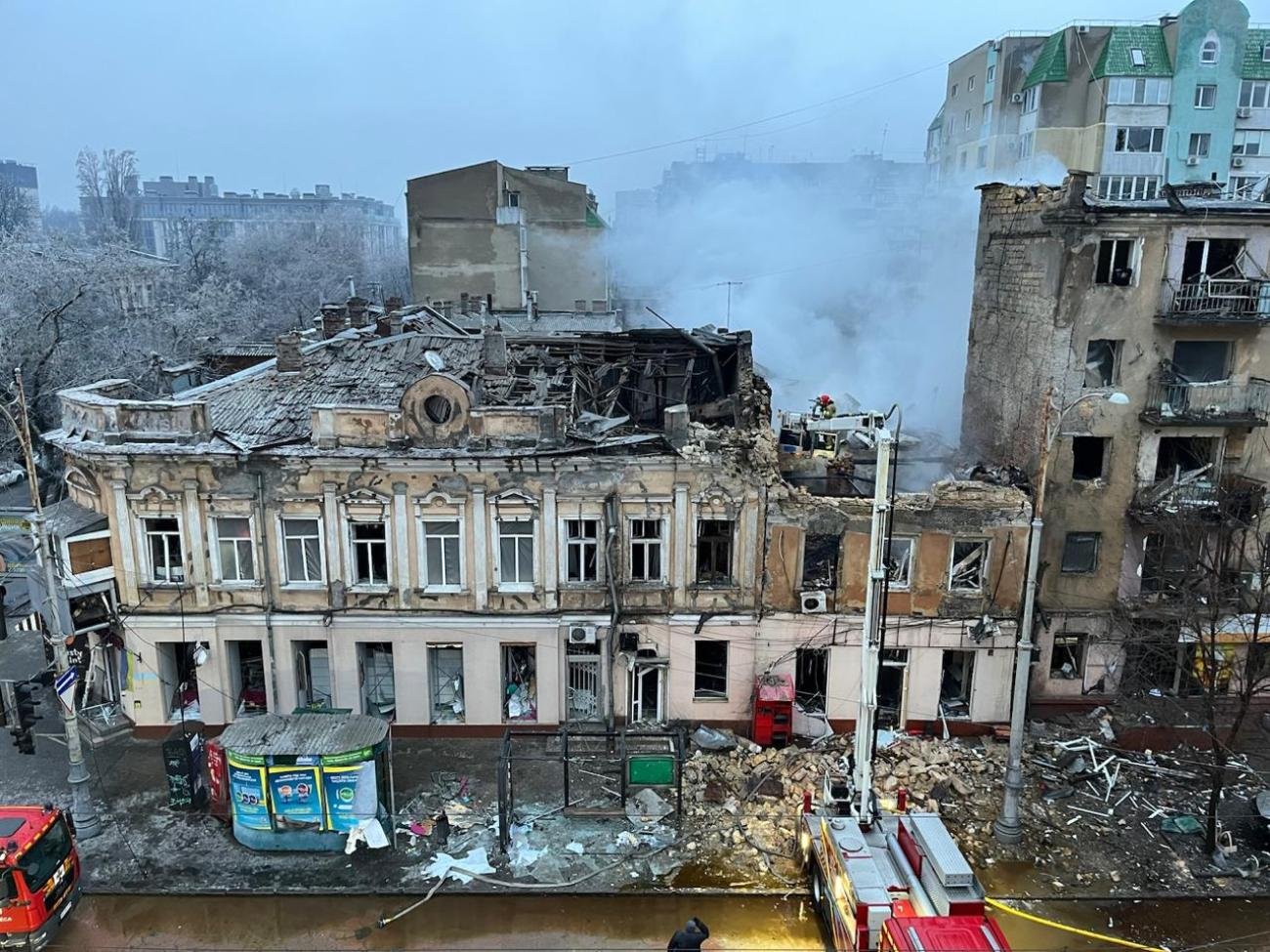
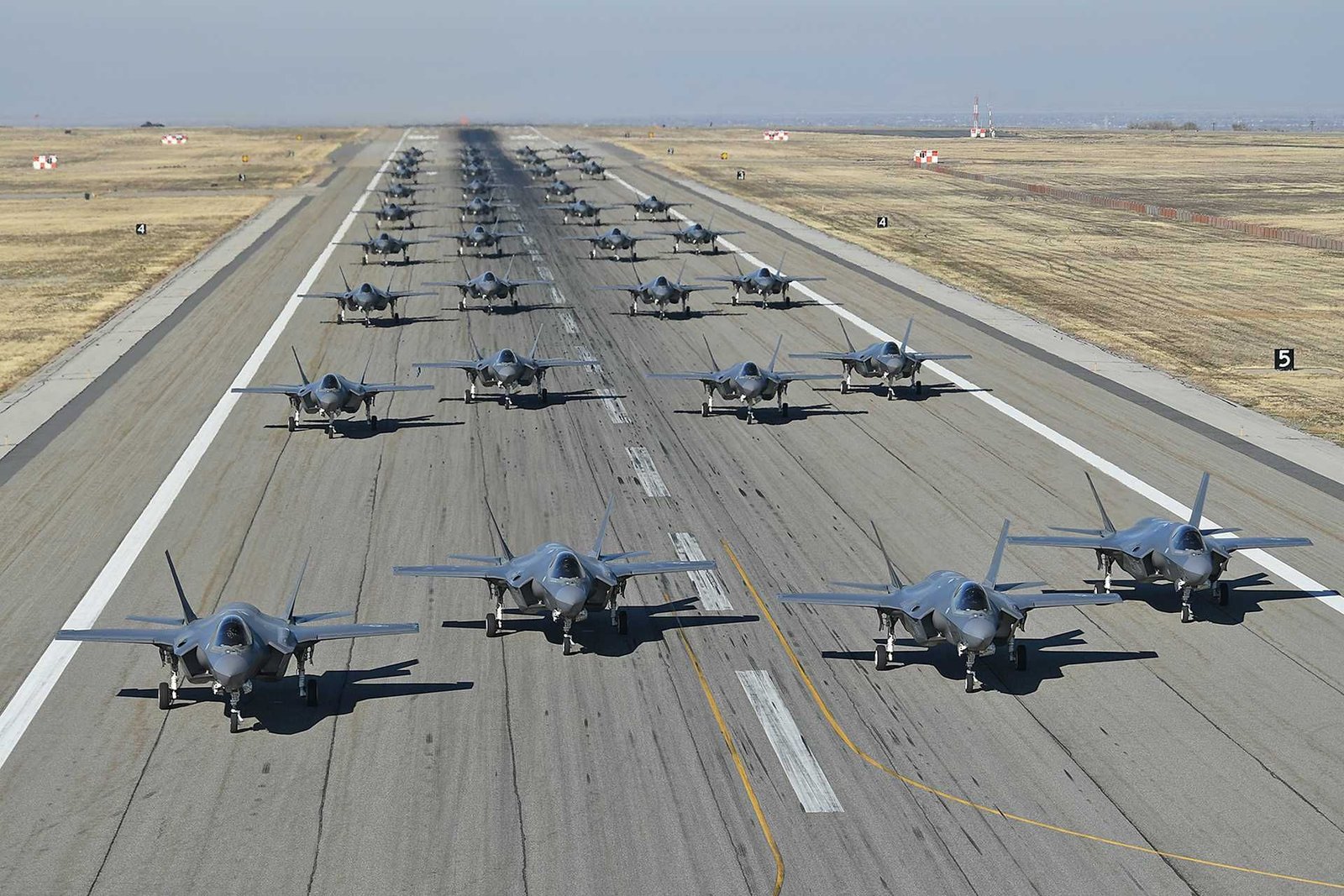
On Sunday, February 22, the Pakistani Air Force carried out “intelligence-based” strikes across seven locations in the Nangarhar, Paktika, and Khost provinces of Afghanistan.
-
The Target: Islamabad claims it hit “New Centres” belonging to Fitna al-Khawarij (their new official term for the TTP) and Daesh-Khorasan. They claim 70 to 80 militants were “neutralized.”
-
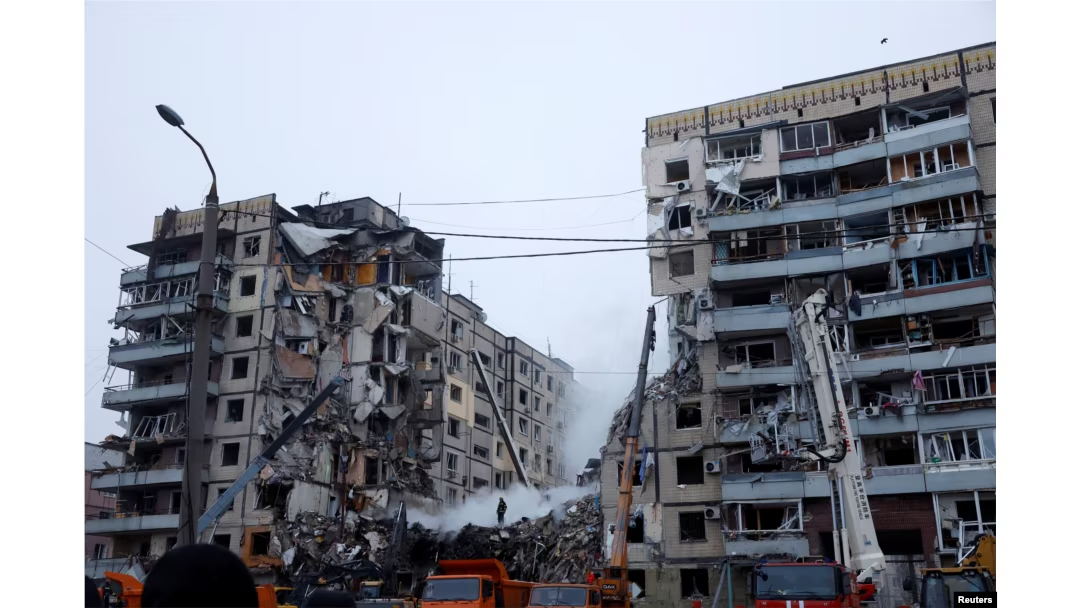
The Afghan Retort: Kabul’s Defense Ministry isn’t just denying the presence of militants; they are calling it a “war crime.” They claim the strikes hit a religious madrassa and civilian homes, killing 18 villagers, including women and children.
-
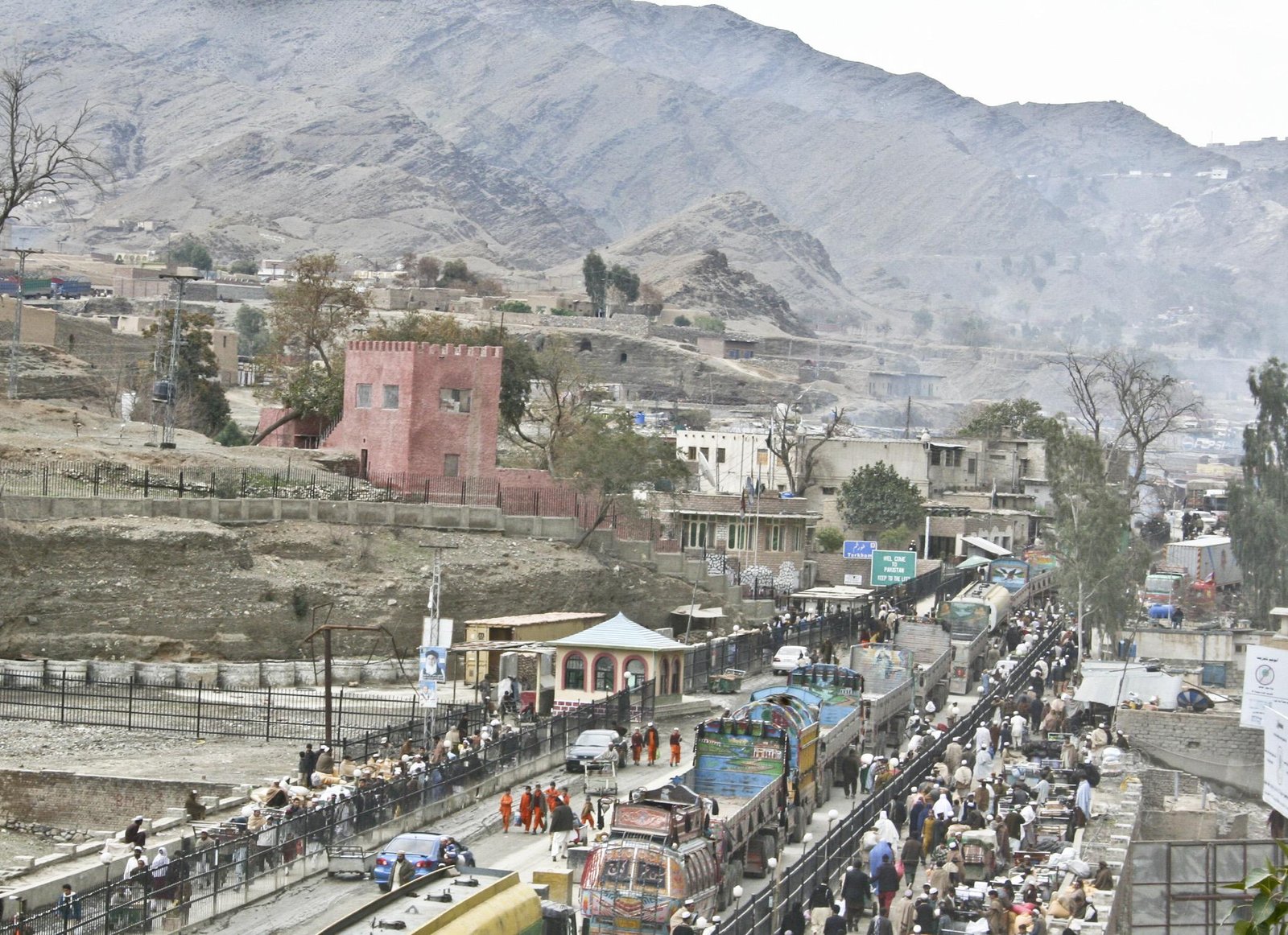
The Vow: The Taliban has promised an “appropriate and calculated response,” and artillery duels have already broken out near the Torkham crossing.
2. The ‘India’ Factor: The Proxy War Blame Game
This is where it gets heated. Today, Pakistan’s Defense Minister Khawaja Asif took a direct shot at New Delhi.
-
The Accusation: Islamabad is now alleging that Afghanistan is fighting a “proxy war” for India. * The Evidence? They are pointing to the recent high-profile visit of Afghan Foreign Minister Amir Khan Muttaqi to India and the fact that New Delhi just hiked its development aid to Afghanistan to ₹150 crore in the 2026-27 Union Budget.
-
The Reality: India has indeed “recalibrated.” In January 2026, the first Taliban-appointed Charge d’Affaires, Mufti Noor Ahmad Noor, took charge of the Afghan Embassy in Delhi. India is moving from “humanitarian aid” to “pragmatic diplomacy,” and Islamabad is seeing ghosts of an “encirclement” strategy.
[Image: A map showing the Durand Line with strike zones in Nangarhar and Paktika marked in red, contrasted with the Indian humanitarian corridor through Chabahar Port.]
3. Economic Suicide: The Trade Blockade
The border isn’t just a military flashpoint; it’s an economic graveyard.
-
The Lockdown: Key transit points like Torkham have been shut for over three months.
-
The Losses: Bilateral trade has plummeted by 53% this fiscal year. We’re talking about $4 million in losses every single day for exporters.
-
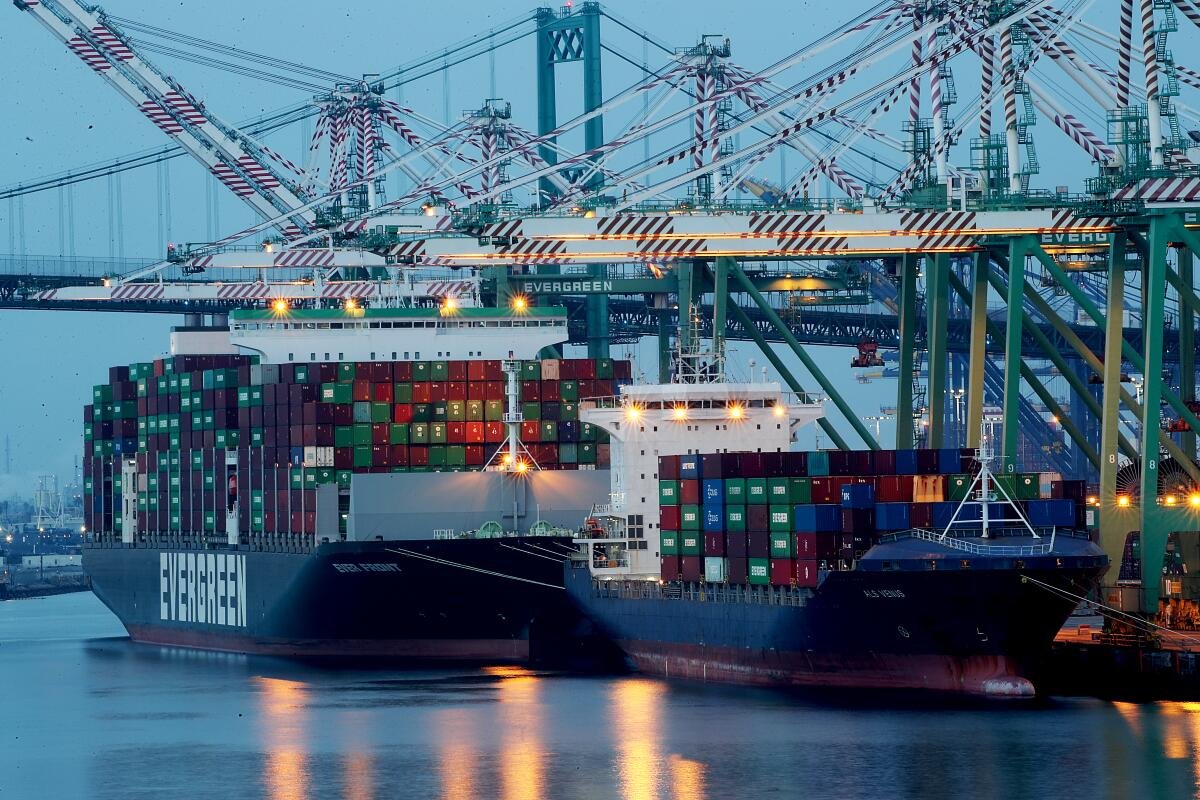
Rotting Goods: Thousands of containers carrying cement, textiles, and perishable fruit are stranded. Businessmen in Khyber Pakhtunkhwa are warning that if this “rigid” policy continues, the province’s industrial sector will face a total collapse by summer.
4. Why 2026 is Different
Unlike previous skirmishes, the current standoff has a “permanent” feel to it.
-
CPEC Under Threat: The security of the China-Pakistan Economic Corridor is now directly tied to these border wars. Beijing is reportedly losing patience with the “instability” that keeps delaying their Central Asian connectivity goals.
-
The TTP Paradox: The Taliban’s ideological refusal to hand over the TTP (their “spiritual brothers”) means Pakistan has no diplomatic exit. It’s either accepted the attacks or continue the strikes.
| Metric | Pakistan’s Position | Afghanistan’s Position |
| The Border | Sacred International boundary. | Colonial “Durand Line” (Rejected). |
| The TTP | Foreign-funded terrorists. | Local “internal Pakistani” issue. |
| India’s Role | “Mastermind” of the unrest. | A “reliable development partner.” |
The Verdict
We are looking at a “disciplined rivalry” gone wrong. With the Crime Branch in Delhi busy with the Summit protests and ISRO landing new rockets, India is playing a long, quiet game in Kabul. Meanwhile, Pakistan is stuck in a cycle of airstrikes and blame-shifting that is bleeding its economy dry.




Leave a Reply