
Townhall Times, New Delhi
Reporter: Bhavika Kalra
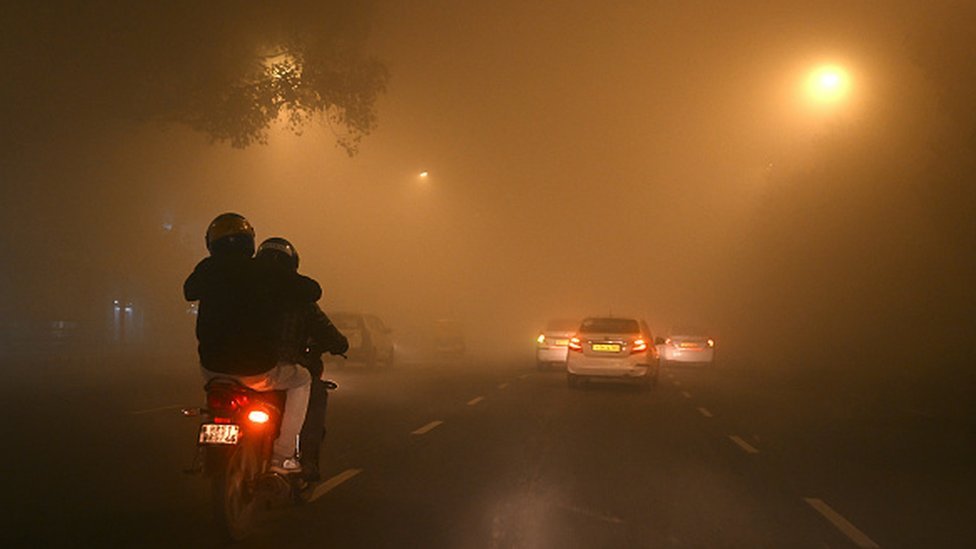
Winter isn’t done with North India just yet. Over the last few days, a relentless cold wave has tightened its grip across the region, sending temperatures tumbling well below the usual February averages. While the Himalayan states are bracing for a heavy blanket of fresh snow, the plains are struggling through a mix of biting winds and “blind” mornings caused by thick fog.
The Hill State Alert: A Winter Wonderland with a Warning
The mountains are currently the epicenter of this weather shift. Thanks to a powerful Western Disturbance (moisture-heavy winds coming all the way from the Mediterranean), a high-alert snowfall warning has been issued for:
-
Himachal Pradesh & Uttarakhand
-
Jammu, Kashmir & Ladakh
While this is great news for the ski resorts in Gulmarg and Manali, it’s a logistical nightmare for locals. Higher reaches are expected to see heavy accumulation, leading to a high risk of avalanches and blocked highways. Authorities have urged tourists to avoid unnecessary “snow-chasing” trips until the roads are cleared.
The Plains: Living in a Gray Blur
Down in the plains—covering Delhi-NCR, Punjab, Haryana, and Uttar Pradesh—the story is more about the “bone-chilling” damp cold.
-
The Fog Factor: Visibility has dropped to near zero on several national highways during the early hours. This has thrown flight and train schedules into a tailspin, with many commuters spending their mornings at crowded stations.
-
The Wind Chill: Even when the sun peaks through, icy winds blowing down from the snow-capped peaks are keeping the daytime temperatures suppressed. In many areas, the mercury has dipped below 4°C, meeting the official “Cold Wave” criteria.
Impact on the Ground: Farming & Health
It’s a bit of a double-edged sword for the agricultural sector.
-
The Good: Farmers growing wheat and mustard are actually welcoming this late-season chill, as it helps the grain mature better.
-
The Bad: Small-scale vegetable farmers are worried about frost damage, which can destroy a crop overnight.
On the health front, hospitals in the north are reporting a surge in respiratory cases. Doctors are advising the elderly and children to stay indoors, especially during the early morning and late evening when the air is heaviest with pollutants and moisture.
Why Is This Happening Now?
Meteorologists point to a shift in the jet stream and frequent Arctic intrusions. While a cold February isn’t unheard of, the intensity and the “erratic” nature of these spells are becoming more common. It’s a reminder of the broader climate variability we’re seeing across the subcontinent—where seasons don’t always follow the old calendar.
Looking Ahead
The Met Department expects these conditions to persist for at least another 3 to 4 days. Relief is only expected once the current Western Disturbance moves further east. Until then, the advice remains simple: layer up, avoid high-speed driving in the fog, and keep an eye on the latest weather bulletins.














Leave a Reply