
Townhall Times, New Delhi
Reporter: Bhavika Kalra
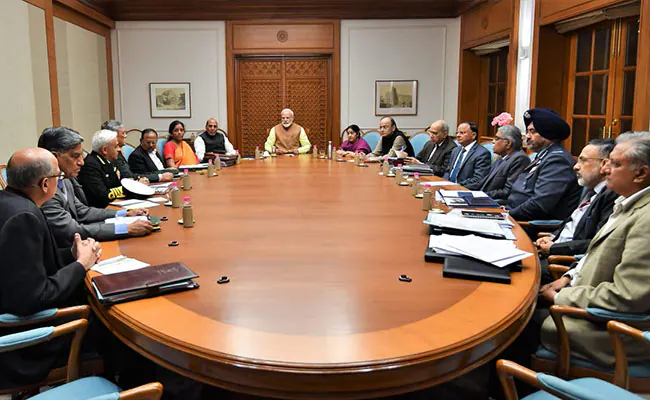
Forget the standard bureaucratic paperwork. When Prime Minister Narendra Modi called a high-level review meeting in New Delhi this morning, Monday, February 23, 2026, the mood wasn’t about celebrating what’s been done. It was about what’s stuck.
The Prime Minister basically turned the meeting into a “war room,” pulling in the big guns from the Road Transport and Railways ministries to demand one thing: speed. We are talking about a massive, multi-billion dollar push to finish the national highway and railway modernization projects before the 2026-27 fiscal year kicks into high gear. The message was loud and clear—if a project is stuck in red tape, cut the tape or move out of the way.
Highways: Beyond Just Laying Asphalt
The Ministry of Road Transport and Highways (MoRTH) had to answer for the bottlenecks in the Bharatmala project. While the pace of construction has hit record highs, the PM was reportedly focused on the “missing links”—those small stretches of highway that are 90% done but stuck because of a single land dispute or an environmental permit.
The directive was specific: Stop looking at highways as just roads. The focus is now on “Economic Corridors.” The government is betting everything on the idea that if you can move a truck from a factory in Haryana to a port in Gujarat 10 hours faster, the economy grows by default. They’re pushing for AI-enabled traffic management and GIS monitoring so that the PMO can see, in real-time, exactly where a bulldozer has stopped moving.
The Railway Face-Lift: Vande Bharat and Beyond
On the railway side, the “Vande Bharat” hype is being matched with some serious heavy lifting on the back end. It’s not just about the shiny new trains anymore; it’s about the tracks they run on.
-
The 100% Electrification Goal: The PM pushed for the final push to get every single inch of the broad-gauge network under wires.
-
Station Redevelopment: They aren’t just fixing platforms; they are turning stations into “City Centers” with malls and transit hubs. The idea is to make the railway station the heart of the city’s economy, not just a place to catch a train.
-
Freight Corridors: This is where the real money is. The Dedicated Freight Corridors (DFC) are being fast-tracked to pull cargo off the roads and onto the rails, which is the only way India hits its carbon emission targets.
The “Why” Behind the Rush
Why the sudden intensity? Because infrastructure is the only “multiplier” that works at scale. For every rupee the government spends on a bridge or a high-speed rail line, it creates a ripple effect—jobs for laborers, orders for steel and cement plants, and better market access for farmers who currently lose half their crop to slow transport.
But there’s also a political clock ticking. With state elections looming and the global economy looking volatile, the government needs these “visible” projects to be finished. A half-built bridge doesn’t win votes; a 10-lane expressway does.
Removing the “Bottlenecks”
The PM gave a strict deadline to resolve inter-departmental bickering. Too often, a highway project stops because the Railways won’t give a permit for an overbridge, or vice versa. The new mandate is “Gati Shakti” in its purest form—a unified digital platform where all ministries have to sync their maps. No more excuses about “missing files” or “pending clearances.”
The Bottom Line
As of February 23, 2026, India is in a construction frenzy. The government is dumping trillions into the ground, hoping it sprouts into a developed-nation economy. But as the PM made clear today, “spending money” is the easy part. The hard part is actually finishing the job on time.
Today’s meeting wasn’t for the cameras; it was a high-pressure squeeze on the bureaucracy to ensure that the “New India” isn’t just a collection of half-finished blueprints.


Leave a Reply