
Townhall Times, New Delhi
Reporter: Bhavika Kalra
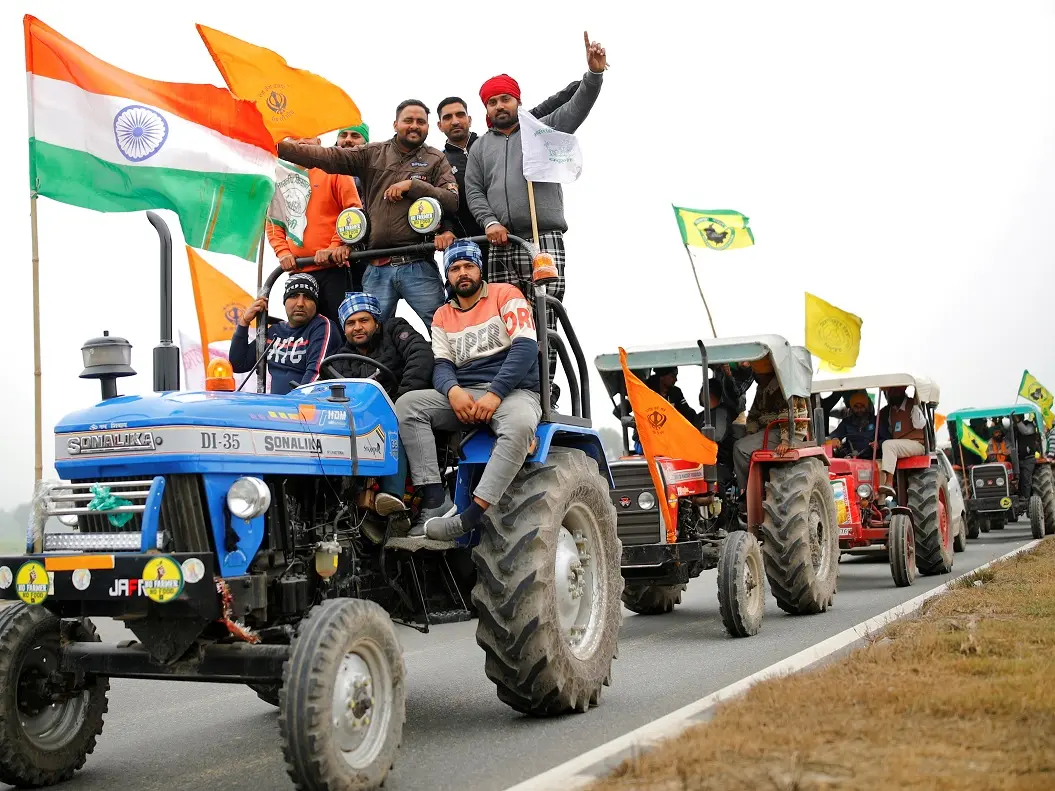
The air in the capital is thick with more than just winter fog this week—it’s heavy with political tension. As representatives from India’s largest farmer unions sit across the table from top government officials, the mood is described as “intense but cautious.” We aren’t just talking about a minor price hike anymore; we are looking at a potential overhaul of how India treats its agricultural backbone.
The bone of contention? A legal guarantee for MSP (Minimum Support Price).
The “Floor” Price Fight
For years, MSP has been a safety net that exists mostly on paper for the vast majority of Indian farmers. While the government announces rates for over 20 crops, the reality is that unless you’re growing wheat or paddy in specific states, you’re often left at the mercy of local traders.
Farmers have had enough of the “theory.” They want a law. They want the assurance that selling below the MSP becomes a legal offense. To them, it’s not about greed—it’s about survival in an era where the cost of diesel, seeds, and labor has hit the roof.
Why the Government is Sweating
On the other side of the desk, the Centre is staring at a massive math problem.
-
The Fiscal Fear: If MSP becomes a legal right, the government might technically be on the hook to buy every quintal of produce that the private market ignores. Critics say this could blow a hole in the national budget and send food inflation into a tailspin.
-
The Market Twist: Economists argue that a rigid legal price could actually backfire, making Indian crops less competitive on the global stage and distorting what farmers choose to grow.
The “Middle Path” Rumors
Sources close to the negotiations suggest that we might see something more creative than a simple “Yes” or “No.”
-
The Deficiency Model: One idea being floated is a “Price Deficiency Payment.” Basically, the government doesn’t buy the crop but pays the farmer the difference if the market price drops below the MSP.
-
The Swaminathan Formula: Unions are still dead-set on the C2+50% math (50% profit over total production cost). Whether the government can afford that math is the multi-billion-dollar question.
The Political Clock is Ticking
Let’s be real—this isn’t just about economics. Farmers represent one of the most powerful voting blocs in the country. With key elections always looming, no government can afford to walk away from these talks without a “win” to show for it. The opposition is already waiting in the wings, ready to turn any deadlock into a major campaign slogan.
What’s Next?
As the current round of talks drags into the late hours, everyone is waiting for that one “Big Decision.” Will it be a partial legal guarantee? A new income-support scheme? Or yet another committee to “study” the problem?
For the farmer waiting in a field in Punjab or a mandi in Madhya Pradesh, the answer doesn’t just change their bank balance—it changes their future. We are at a crossroads where rural welfare is finally being weighed against urban fiscal reality.






Leave a Reply