
Townhall Times, New Delhi
Reporter: Bhavika Kalra
February 15, 2026 | National Space Update
Let’s be honest—there was a time when the world looked at India’s space program as a “low-cost alternative.” People talked about how we launched rockets for less than the price of a Hollywood movie. But if you look at ISRO’s 2026 roadmap, that “budget” tag is finally falling off. Today, India is building stuff that even the big players like NASA and SpaceX are watching closely.
We aren’t just “participating” in the space race anymore; we are actually setting the pace in some areas.
Gaganyaan: The Human Factor
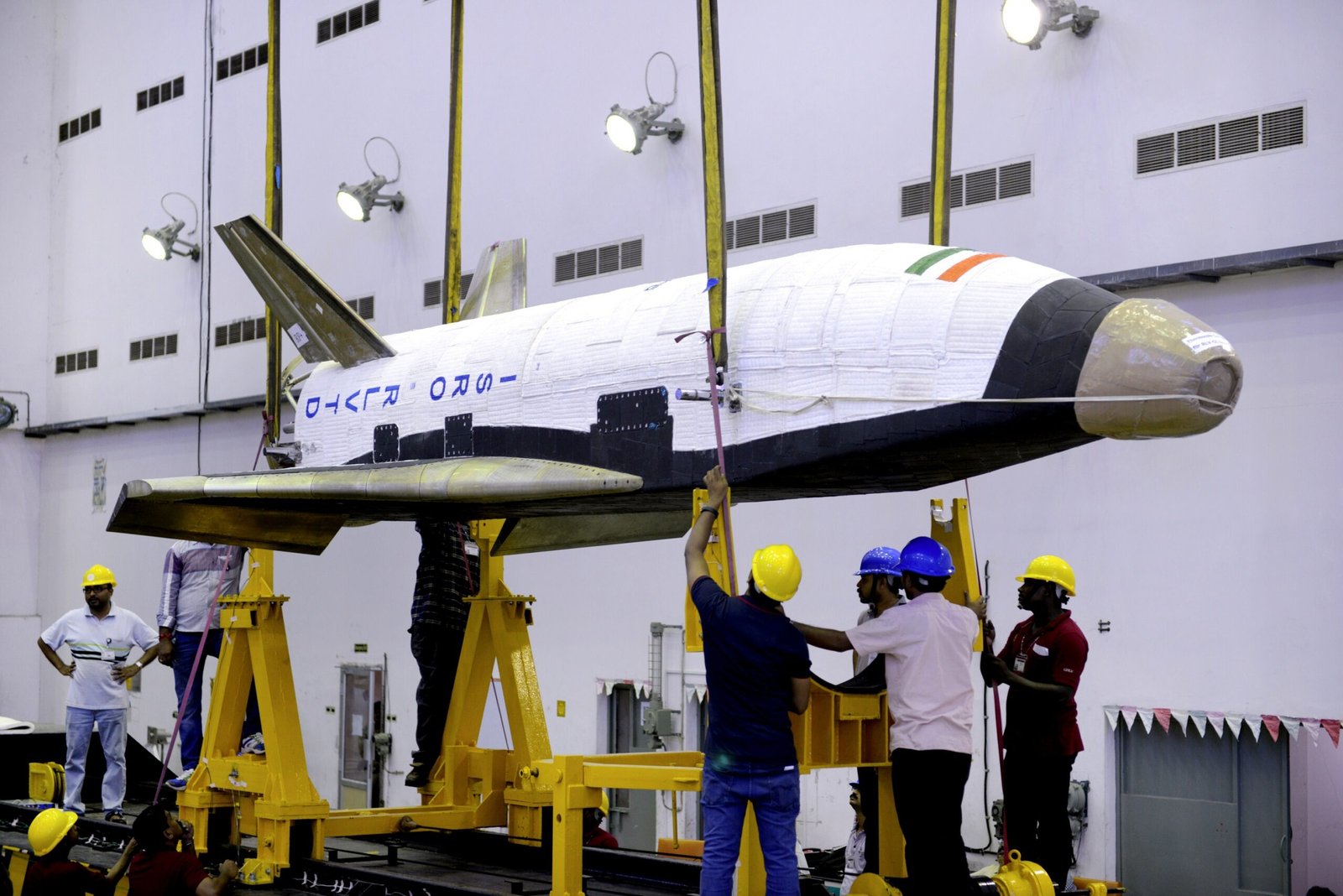
The biggest thing on everyone’s mind right now is Gaganyaan. We’ve seen the robotic trials, we’ve seen the test flights, and 2026 is the year it all gets real. ISRO isn’t just trying to put a human in orbit; they are building an entire ecosystem for it.
-
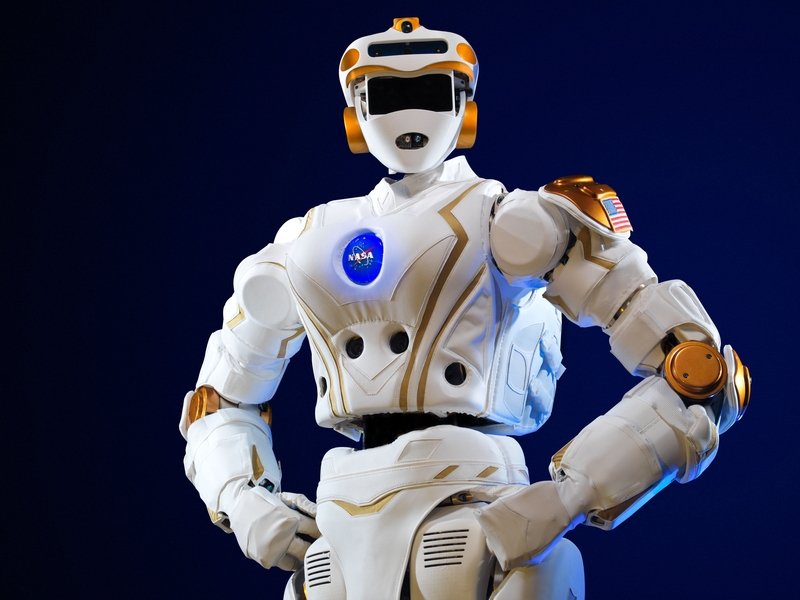
The ‘Vyommitra’ Test: Before our astronauts (the Gaganyatris) take the seat, our humanoid robot Vyommitra is going up to make sure the life-support systems don’t glitch.
-
National Pride vs. Tech: It’s not just about the flag. It’s about proving that India can handle the most complex part of space—keeping a human alive in a vacuum. If this hits, India joins a very, very small club of elite nations.
The Docking Trick: SPADEX
One of the coolest (and most underrated) things to happen recently is the SPADEX experiment. Imagine two satellites moving at thousands of kilometers per hour, finding each other, and “locking hands” in total silence. That’s docking. Why does this matter? Because without this, you can’t have a space station. And yes, India is serious about the Bharatiya Antariksh Station. We’re moving toward a future where we won’t need to ask for a “room” on the International Space Station; we’ll have our own.
The Private Sector ‘Gold Rush’
This is where the 2026 story gets really interesting. For the first time, ISRO isn’t the only one doing the heavy lifting. Startups like AgniKul and Sky root are basically the “Silicon Valley” of Indian space.
-
3D-Printed Rockets: We now have companies printing engines in a few days. That’s insane.
-
Fast-Track Launches: With the new spaceport at Kulasekarapattinam almost ready, private players won’t have to wait for months to get a launch window at Sriharikota. It’s becoming a “pay-and-launch” model, which is bringing in massive international money.
Real-World Impact: More Than Just Stars
Space isn’t just about looking at galaxies; it’s about what’s happening on the ground in India.
-
Farmers and Climate: Our new high-res satellites are so sharp they can tell a farmer exactly when to water their crops or warn a coastal village about a cyclone three days earlier than before.
-
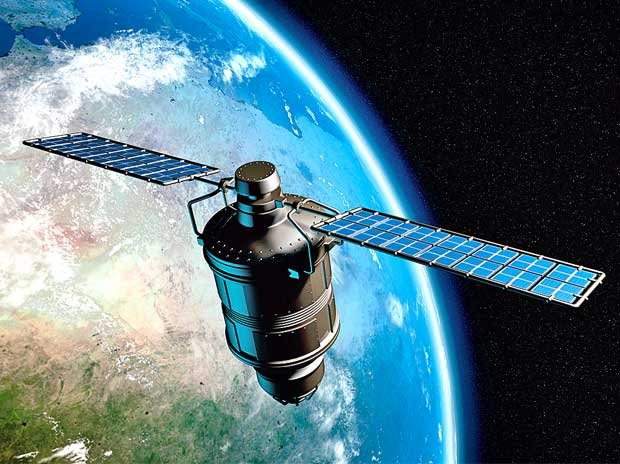
NavIC: India is pushing hard to make its own GPS system, NavIC, the standard for all smartphones in the country. It’s about not wanting to depend on foreign signals for our Google Maps or, more importantly, our defense.
The Reality Check
Is it all perfect? No. Space is brutal. We’ve had a few mission delays, and the competition with SpaceX and China is getting intense. Plus, managing “space junk” is becoming a headache that India needs to solve if it wants to be a “responsible” space power.
The Bottom Line: India’s space program in 2026 is a mix of high-stakes science and smart business. We’ve stopped being the “cheap option” and started being the “smart choice.” Whether it’s landing on the moon’s south pole or sending humans into the void, the “India story” in the stars has only just begun.









Leave a Reply