
Townhall Times, New Delhi
Reporter: Bhavika Kalra
New Delhi | National Education Report
For decades, the Indian education system has been a giant memory test. But right now, things are actually starting to shift. With the National Education Policy (NEP) finally moving from paper to the classroom, we’re seeing a real attempt to ditch “ratta” (rote learning) in favor of actual skills.
It’s a massive pivot. The goal? Making sure a degree actually means you can do a job, not just pass an exam.
Ditching the “One Big Exam” Stress The old way was simple: memorize a book, sit for one high-stakes exam, and hope for the best.
-
The New Vibe: Schools are moving toward “continuous assessment.” This means looking at a student’s performance throughout the year rather than just one scary three-hour test in March.
-
Conceptual Clarity: Syllabi are being trimmed down. The idea is to teach less, but teach it better, so kids actually understand the why behind the what.
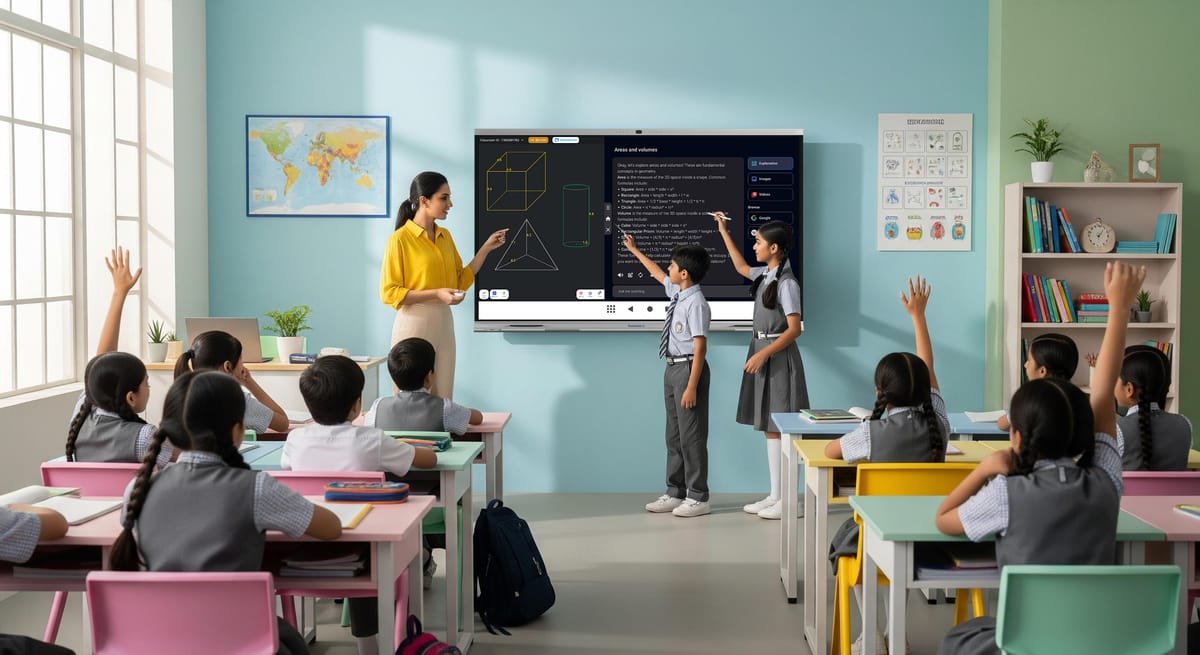
Tech is No Longer Just an “Extra” Digital learning has gone from a “pandemic backup plan” to the main stage.
-
The Hybrid Model: It’s becoming normal to have a mix of physical classes and online deep-dives. Virtual labs are popping up in schools that couldn’t afford expensive physical equipment, giving students in smaller towns a fair shot.
-
Regional Languages: One of the smartest moves has been pushing digital content in local languages. It’s a direct hit at the urban-rural divide.
Skills Over Certificates This is probably the biggest change: vocational training is starting early. We’re talking about middle-schoolers getting their hands dirty with coding, robotics, or even basic healthcare and entrepreneurship.
-
College Reality Check: Universities are finally teaming up with actual industries. Instead of just reading about marketing or engineering, students are being pushed into internships and “incubation centers” to build real stuff.
-
Flexibility: The new “Multiple Entry and Exit” system is a lifesaver. If a student has to drop out for a year because of a family emergency or money issues, they don’t lose their progress. They can come back later and pick up where they left off.
The Teacher Factor You can’t change the system if the teachers are stuck in the 90s. There’s a huge push right now for teacher training—not just on how to use a tablet, but on how to make a classroom interactive. The “lecture-at-you” style is slowly being replaced by group discussions and problem-solving.
The Reality Check: It’s Not All Smooth Sailing Let’s be real—the “digital divide” is still very much a thing. High-speed internet and smart classrooms are great in Delhi or Bangalore, but rural infrastructure is still playing catch-up. Sustaining the funding for all this is going to be the government’s biggest challenge.
The Bottom Line India is trying to turn its massive youth population into a “skilled workforce” rather than just a “degree-holding” one. It’s an ambitious, messy, and necessary transition. If it works, the next generation won’t just be looking for jobs—they’ll be equipped to create them.






Leave a Reply