

Missile Strike on Primary School in Iran Sparks Global Outrage
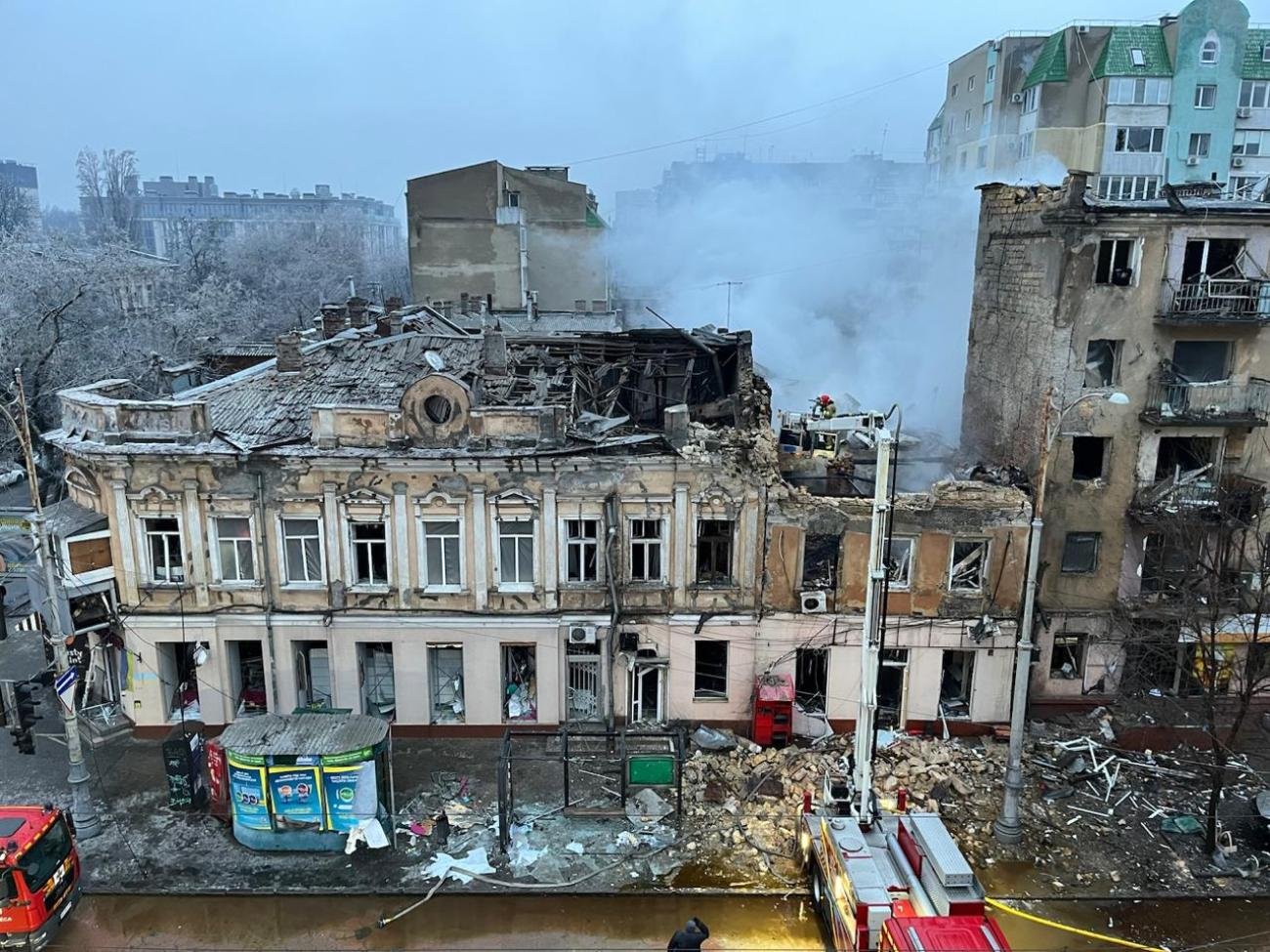
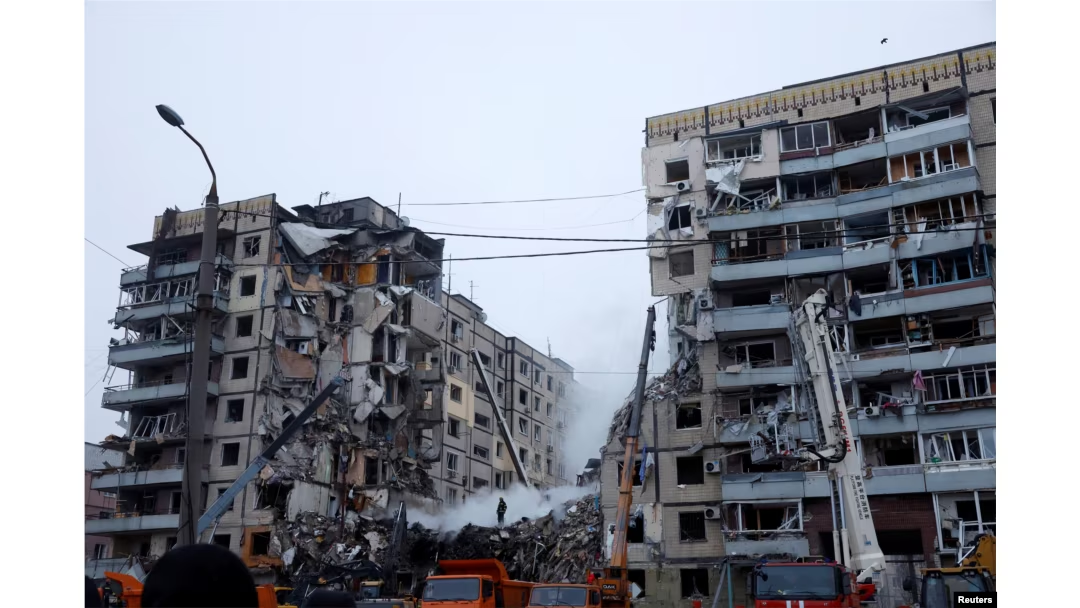
Townhall Times — A missile strike on a primary school in the Iranian city of Minab has sent shockwaves across the world. The incident, which reportedly took place on February 28, resulted in the deaths of hundreds of children. According to local authorities, more than 165 children were killed and dozens others injured. At the time of the strike, students were sitting inside their classrooms. Within seconds, the entire school building was reduced to rubble.
The attack occurred during a period of large-scale military operations involving the United States and Israel inside Iran. The incident has drawn strong international condemnation. UNESCO stated that targeting schools and children constitutes a serious violation of international humanitarian law. International news agencies such as Reuters have reported on the casualty figures and published images highlighting the scale of destruction.
The Iranian government has alleged that the strike was part of a broader military strategy by the United States and its allies. U.S. officials have denied deliberately targeting a school and have called for an investigation. However, the incident raises pressing questions. If advanced surveillance systems, satellite monitoring, and precision-guided missiles were being used, how did a school full of children become a target?
Anger over the incident has spread globally. Many on social media have described the strike as a potential war crime. Several human rights organizations have called for an independent and transparent investigation. Advocates stress that regardless of geopolitical tensions, children should never become victims of armed conflict.
The tragedy has once again intensified debate about the human cost of modern warfare. While leaders speak of strategy and power, the reality on the ground is often seen in destroyed classrooms, buried schoolbags, and shattered lives.
Attention is now focused on international accountability. Whether there will be a fair investigation, clear responsibility, and meaningful steps to prevent such incidents in the future remains an open question.








Leave a Reply