
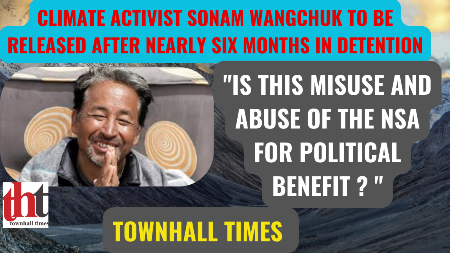
Climate Activist Sonam Wangchuk to Be Released After Nearly Six Months in Detention
New Delhi: Climate activist Sonam Wangchuk is set to be released after spending nearly six months in detention under the National Security Act (NSA). The Ministry of Home Affairs (MHA) announced that the government has decided to revoke his detention with immediate effect.
In an official statement, the ministry said the decision was taken after reviewing the circumstances and noting that Wangchuk had already completed almost half of the possible detention period permitted under the NSA.
The government stated that it remains committed to maintaining peace, stability, and mutual trust in Ladakh. According to the statement, the aim is to create conditions that encourage meaningful dialogue with local communities and stakeholders regarding the region’s concerns.
Authorities also pointed out that frequent shutdowns and protests in recent months had affected normal life in the region. Students, job seekers, businesses, tourism operators, and the local economy have all experienced disruptions due to the unrest. The government expressed hope that the issues surrounding Ladakh would eventually be addressed through dialogue and institutional mechanisms, including the High-Powered Committee formed to examine regional demands.
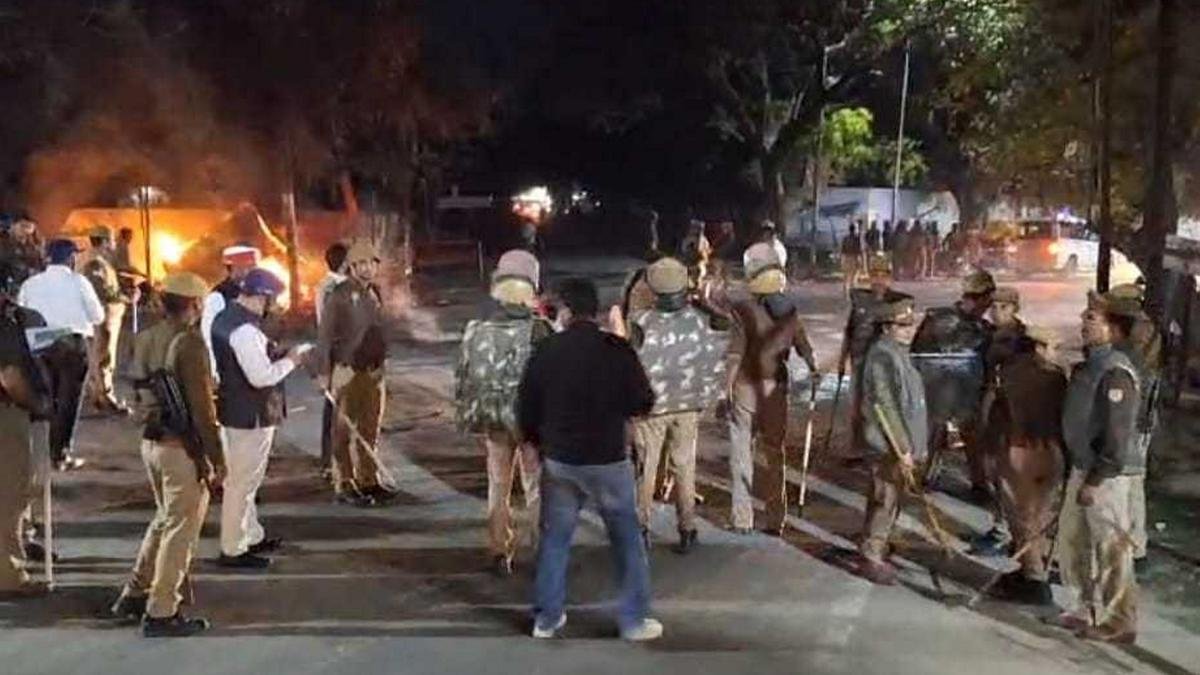
Sonam Wangchuk was detained on September 26 last year, two days after violent demonstrations took place in Leh, Ladakh. The protests were linked to demands for statehood and constitutional safeguards for the Union Territory. During the clashes, four people were killed and around 50 individuals, including security personnel, were injured.
Following these events, the District Magistrate of Leh ordered Wangchuk’s detention under the National Security Act, citing the need to maintain public order. He was later transferred to a prison in Jodhpur.
Wangchuk has been one of the leading voices advocating for environmental protection in Ladakh and greater constitutional safeguards for the region. Since 2023, he has been campaigning for the inclusion of Ladakh under the Sixth Schedule of the Indian Constitution, which would provide special protections for the region’s tribal communities and ecosystem.
Last year, he also undertook a 35-day hunger strike to press for the demand for statehood and constitutional protections. However, after protests turned violent in some areas, Wangchuk ended his fast, stating that his call for a peaceful movement had not produced the desired outcome.
His detention sparked political debate across the country. Several opposition leaders criticised the government’s handling of the situation and questioned the use of preventive detention laws in such cases.
Meanwhile, Gitanjali Angmo, Wangchuk’s wife and an educator, challenged his detention before the Supreme Court of India. During the hearing, the court raised concerns about the translation of a speech allegedly used as the basis for his detention. The judges noted that a speech lasting only three minutes appeared to have been transcribed into a much longer text, suggesting possible inconsistencies.
Congress MP Shashi Tharoor welcomed the government’s decision to release Wangchuk but also raised broader concerns about long periods of detention without trial. He described 169 days in custody as an excessively long duration and urged the Supreme Court to establish clear limits on how long individuals can be detained without formal charges.
Tharoor argued that indefinite or prolonged detention without trial is a practice inherited from the colonial era and that such measures should have stricter safeguards in a modern democratic system.








Leave a Reply