
Townhall Times, New Delhi
Reporter: Bhavika Kalra
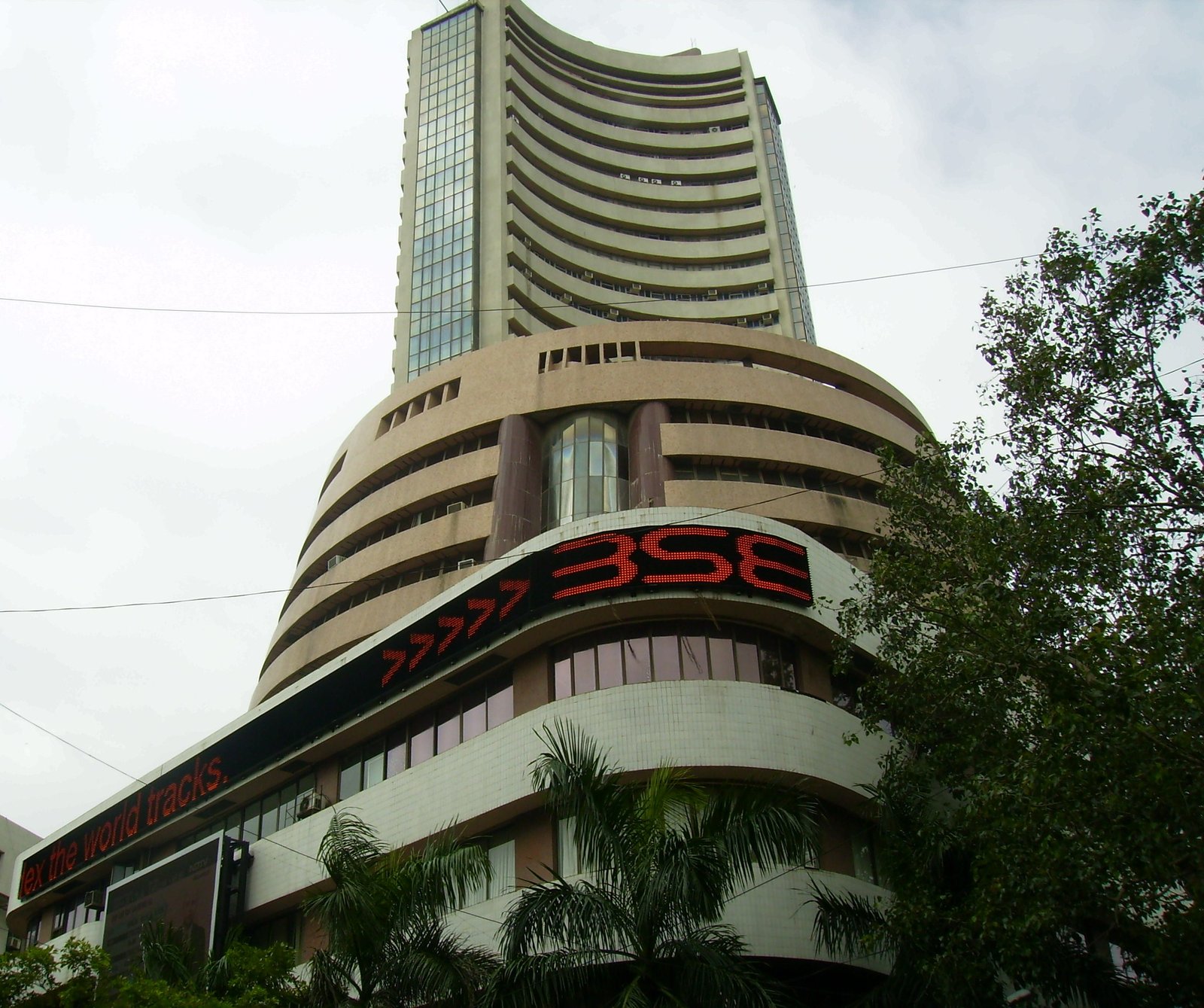
If you were on Dalal Street this morning, you could practically feel the electricity. The Bombay Stock Exchange (BSE) Sensex didn’t just climb; it sprinted, smashing through its previous ceiling to hit a historic new milestone. It’s Monday, February 23, 2026, and the Indian market has officially sent a message to the world: the “India Story” isn’t just alive; it’s on fire.
This wasn’t some random spike. This was a coordinated power-move led by the “Big Two”—IT and Banking. By the time the closing bell rang, investors were looking at a green screen that has redefined what “record high” looks like in the Indian context.
The IT “Comeback” and the AI Engine
For a while, people were skeptical about Indian IT. They thought the global slowdown would eat into the margins. They were wrong. Today’s rally was fueled by massive buying in the big-league tech firms.
What’s changed? It’s the AI-pivot. Major Indian IT players aren’t just “back-office” anymore; they are winning massive, high-margin contracts for AI-driven transformations and cloud migrations. The global giants are outsourcing their most complex tech overhauls to Bengaluru and Hyderabad, and the stock prices are finally reflecting that reality. When the IT sector moves, the Sensex breathes, and today it was taking very deep, very healthy breaths.
Banking: The Fortress is Holding
The other half of the story is the banks. We are seeing a “Goldilocks” moment for Indian lenders—credit growth is booming because everyone from small business owners to mega-corporates is borrowing again. At the same time, the dreaded NPAs (Non-Performing Assets) are at multi-year lows.
Whether it’s the private giants or the revamped public sector banks, the books look clean. Investors are pouring money into BFSI (Banking, Financial Services, and Insurance) because it’s the most direct way to bet on India’s GDP growth. If the country is building roads and buying cars, the banks are the ones making the interest, and right now, the interest is looking very good.
The Return of the “Big Fish” (FIIs)
For a few months, Foreign Institutional Investors (FIIs) were playing it safe, pulling money out to chase yields in the West. But today, they were back at the table. Why? Because India’s macro-stability is simply too good to ignore. While the rest of the world is flirting with recession, India’s inflation is under control, and the GDP projections for 2026-27 are making other emerging markets look stagnant.
But the real hero of this rally isn’t just the foreign money. It’s the Retail Investor. The steady hum of SIPs (Systematic Investment Plans) has created a “floor” for the market. Even when the global winds get chilly, the millions of small investors in India aren’t panicking anymore—they’re buying the dips.
Are We Flying Too Close to the Sun?
Of course, you can’t have a record high without the “V-word” coming up: Valuation.
There are plenty of voices on the floor today warning that the Price-to-Earnings (P/E) ratios in some sectors are looking for a bit “frothy.” If oil prices spike or if the geopolitical situation in Europe or the Middle East takes another turn for the worse, we could see a sharp correction.
But the “Bulls” have a strong counterargument: India’s growth isn’t just a bubble; it’s structural. We are building world-class infrastructure, our digital economy is the envy of the world, and our corporate governance has never been tighter.
The Bottom Line
As of February 23, 2026, the Sensex milestone is more than just a number on a screen. It’s a vote of confidence. It’s a sign that the Indian economy has moved past the “recovery” phase and into a “dominance” phase.
For the average investor, the advice remains the same: enjoy the view from the top, but keep your seatbelt fastened. Markets don’t go up in a straight line forever, but for today, the bulls are firmly in charge of the stable.











Leave a Reply