
Townhall Times, New Delhi
Reporter: Bhavika Kalra
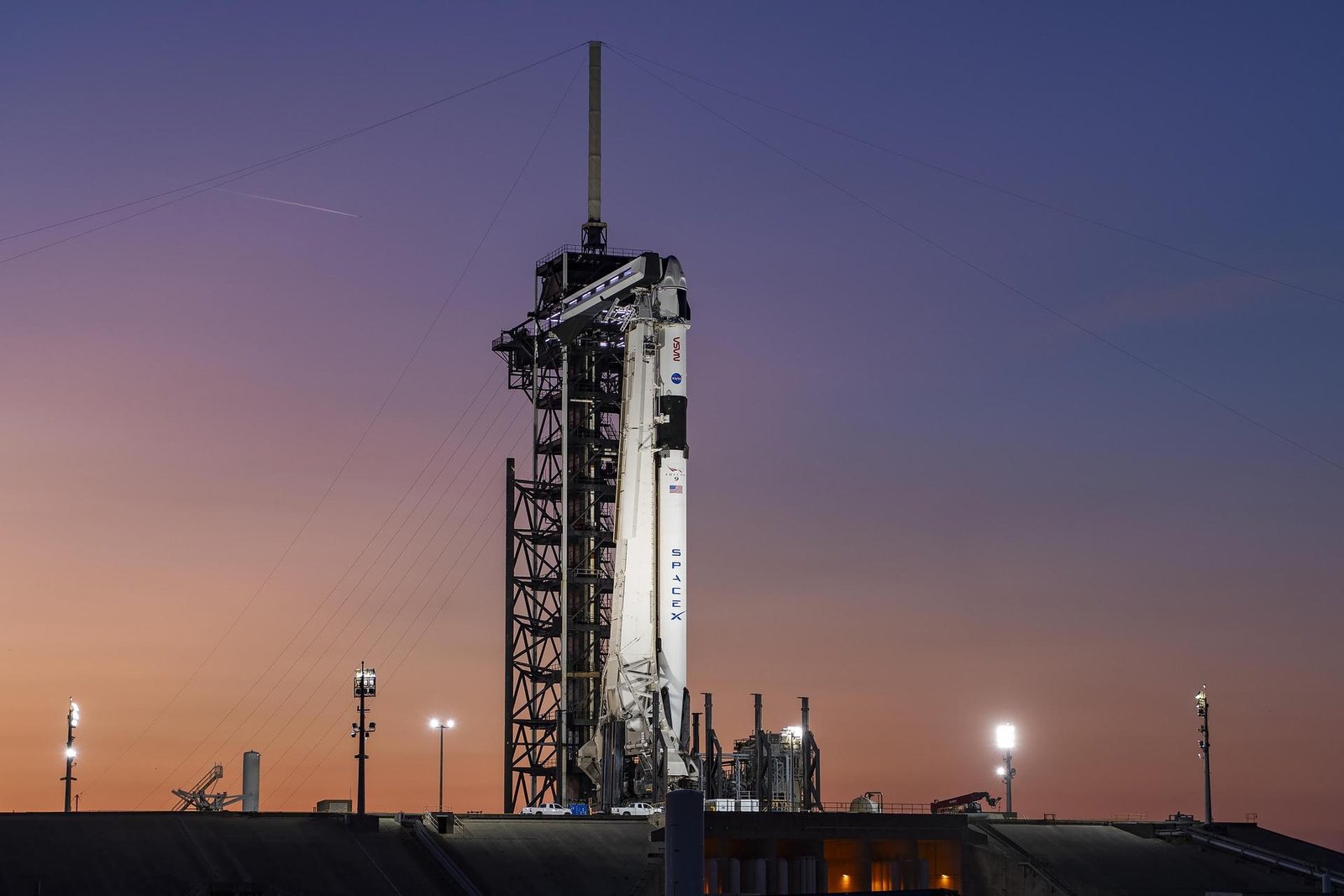
High above the Earth, within the silent, pressurized corridors of the International Space Station (ISS), the steady hum of scientific progress recently hit a frustrating snag. While life in orbit usually functions with the precision of a Swiss watch, a series of technical hiccups and medical precautions forced the previous crew to pull the plug early and head home. NASA, however, isn’t an agency that waits around. In what felt more like a high-velocity rescue than a routine swap, the agency successfully launched a “reinforcement” mission to stabilize the world’s most expensive laboratory and keep vital research from falling through the cracks.
This launch isn’t just a change of the guard; it’s a strategic pivot. With several high-priority experiments left hanging by the last team’s early departure, the new crew arrives with a heavy burden: carrying a decade’s worth of human spaceflight goals across the finish line.
The Stakes: Why This Mission Couldn’t Wait
The ISS is frequently described as a multi-billion-dollar house of cards—a delicate environment where every data point relies on a pair of human hands. When the previous team had to leave, they didn’t just leave an empty station; they left a hole in the mission timeline. In microgravity research, you can’t simply hit “pause” on a biological culture or a physics experiment and expect it to wait.
NASA’s decision to expedite this launch was a calculated gamble to save months of labor. The new team hasn’t just gone up to keep the lights on; they’ve arrived with a “go-bag” of advanced hardware and a very specific mandate: figure out how humans can survive the “deep dark” of space long enough to actually make it to Mars.
Cracking the Code of “Space Aging”
The headline act of this mission is the study of Human Physiology in Deep Space. We’ve known for years that zero-G does strange things to the body—turning bones into something resembling Swiss cheese and causing muscles to wither. But this crew is digging deeper, looking at the molecular level of what scientist’s call “space aging.”
Solving this “wasting” problem is the key to any future on the Moon or Mars. The crew will act as their own lab rats, testing high-intensity exercise protocols and experimental drug treatments. These developments will eventually determine whether an astronaut walks onto the Martian surface or has to be carried off the lander on a stretcher.
The Orbital Farm: Achieving Self-Sufficiency
A massive chunk of current research is dedicated to Astrobotany. We’re moving past growing a few sprigs of lettuce for a “space salad.” The team is now testing high-calorie, nutrient-dense crops and automated irrigation systems that have to work in a world where water doesn’t “pour”—it floats.
The end goal is a closed-loop life support system. If you can grow your own dinner and recycle your own oxygen with near-perfect efficiency, you finally cut the umbilical cord to Earth. This mission is pushing the boundaries of just how much biological “nature” can be maintained inside a pressurized tin can sustain a crew for years at a time.
AI and the “Extra Hand” in Orbit
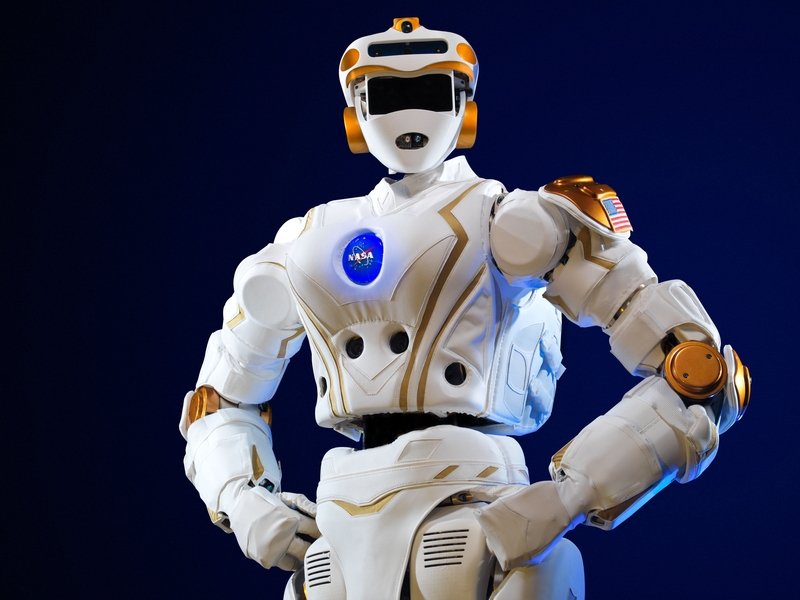
Life on the ISS is, frankly, exhausting. Astronauts spend a huge portion of their day on “space chores”—fixing toilets, checking for air leaks, and swapping out aging batteries. To fix this, NASA has deployed a new generation of AI-driven robotic assistants.
These aren’t just fancy toys; they are sophisticated co-workers designed to handle the station’s “housekeeping.” By letting AI manage the mundane maintenance, the human crew is freed up for high-level cognitive work—like complex microgravity surgeries or analyzing real-time data from deep-space sensors. It’s the first real look at a future where the line between human and machine labor in space becomes increasingly blurred.
A Fragile Peace: Diplomacy at 17,500 MPH
Despite the geopolitical fires burning on the ground, the ISS remains a strange, beautiful island of cooperation. It’s one of the few places left where American, Russian, European, Japanese, and Canadian experts share a meal and a mission.
The continued viability of the station is a quiet nod to the power of science-led diplomacy. By keeping the ISS running, NASA and its partners keep one of the last remaining bridges between superpowers open. Up there, 400 kilometers above the clouds, your colleague’s passport matters a lot less than their ability to help you fix a failing oxygen scrubber.
Technical Mastery: The Art of the Docking
The launch itself was a masterclass in aerospace engineering. Despite the pressure of a rushed schedule, ground teams at Cape Canaveral and Houston moved through their checklists with surgical precision.
The spacecraft performed a series of delicate phasing maneuvers to line its orbit up with the station. The final approach—a slow, rhythmic dance of thrusters and sensors—saw the two massive structures lock together while screaming through the void at 28,000 kilometers per hour. It’s a stark reminder that even “routine” space flight is a feat of collective human brilliance.
Looking Toward the Horizon
As the new crew settles in, the focus is already shifting toward the Artemis program. The ISS is no longer just a destination; it’s a sandbox for the technologies that will define the next great leap. From testing 3D-printing with lunar-like materials to refining the AI that will run a Moon outpost, the work being done right now is the foundation for our future as a multi-planetary species.
Final Reflections NASA’s successful “re-up” of the ISS crew is a victory for persistence over technical adversity. In the face of the unforgiving vacuum of space, we keep going back—not because it’s easy, but because the answers to our biggest questions about life and the universe are waiting for us out there, in the dark.














Leave a Reply