
Townhall Times, New Delhi
Reporter: Bhavika Kalra
Today marks Day 27 of a conflict that has moved far beyond “tensions.” Since the sparks flew on February 28, the world has been holding its breath, and today, that pressure is finally starting to crack the global energy market.
The Battle for the Strait: A Global “Toll Booth”
The biggest story right now isn’t just the missiles—it’s the Strait of Hormuz. This narrow stretch of water handles about 20% of the world’s oil, and Iran has effectively turned it into a private “toll booth.”
In a move that’s shaking up global trade, Iran’s Parliament is currently drafting a law to formalize fees for any ship trying to pass through. But they aren’t treating everyone the same. Today, it was confirmed that Iran is granting “safe passage” to a handful of “friendly” nations—specifically India and China. If you’re a U.S. or Israeli-linked ship, you’re either blocked or facing a massive insurance risk that makes the trip impossible. This selective blockade is the main reason why we’re seeing such wild swings in the markets.
The Military Escalation: No Sign of a Ceasefire
Despite U.S. President Trump’s claims today that a 15-point ceasefire plan is on the table, the reality on the ground is much darker. Iran’s Foreign Minister, Abbas Araghchi, was very blunt this morning: “We do not intend to negotiate.”
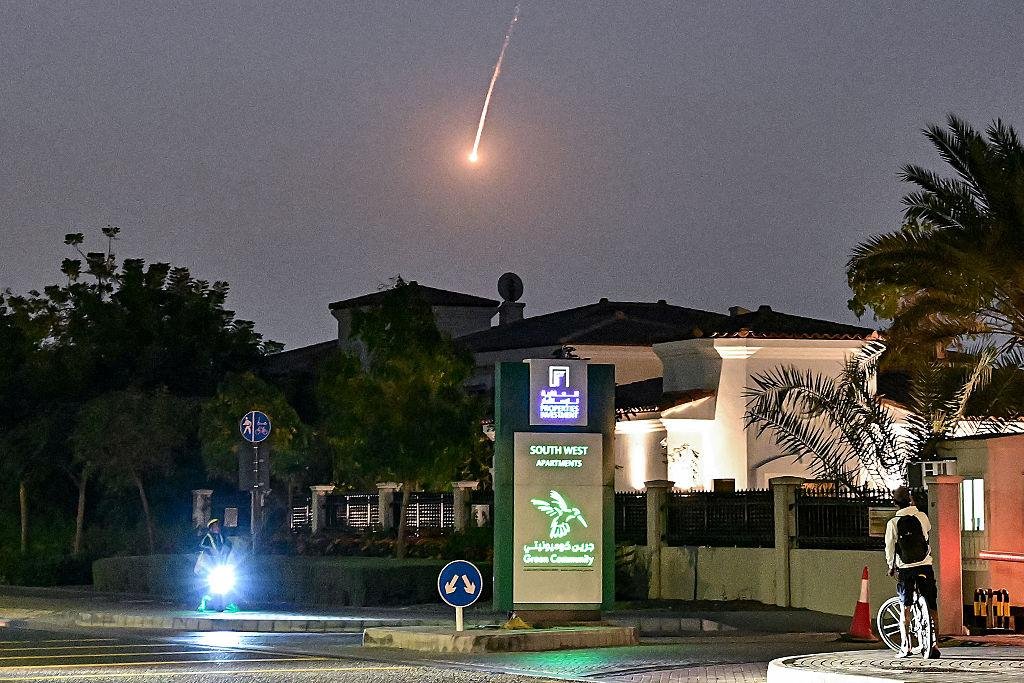
While the politicians talk, the hardware is moving. The U.S. is currently deploying 1,000 elite combat troops to the region, and Israeli air defenses just intercepted a fresh barrage of Iranian missiles today. Sadly, this isn’t just a “military-to-military” fight anymore. In Abu Dhabi, falling debris from one of those interceptions killed two people today. When war hits the streets of a global hub like Abu Dhabi, the risk of a “total regional war” becomes a terrifyingly real possibility.
The Oil Shock: What It Means for the Common Man
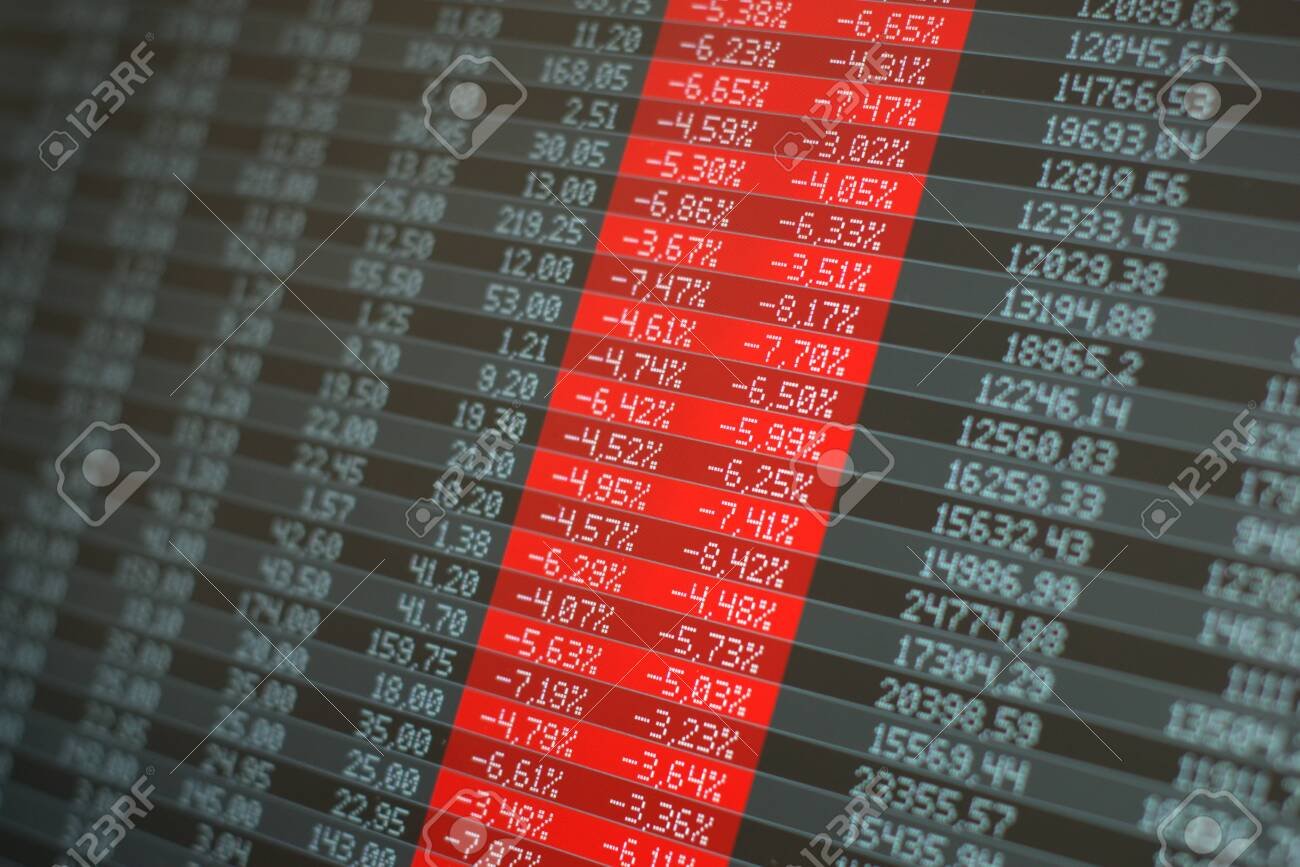
Because of the chaos in the Strait, oil has smashed through the $100-per-barrel ceiling today, currently sitting around $104. This is the highest we’ve seen in a long time, and it’s creating a massive domino effect.
-
Transport Costs: With fuel getting more expensive, the cost of moving everything—from the tomatoes in your local market to the electronics coming from overseas—is going up.
-
Inflation: We are looking at a “Stagflation” trap. Prices are rising, but economic growth is slowing down because businesses are scared to spend.
-
Aviation: Jet fuel is up by nearly 30%. If you were planning a trip this summer, expect those ticket prices to be significantly higher than last year.
The Situation in India: Panic vs. Reality
If you’ve seen the long queues at petrol pumps in cities like Srinagar or Hyderabad today, you’re seeing “panic buying” in action. People are terrified that the pumps will run dry, but the government issued a very sharp reality check this afternoon.
India currently has 60 days of fuel stocks. That’s a two-month buffer. Even with the Strait of Hormuz being “restricted,” we have enough crude and refined products to keep the lights on and the cars moving for eight weeks. The government is begging people to stop hoarding fuel because the shortage isn’t in the supply—it’s in the fear.
What Lies Ahead?
The next 48 hours are critical. If the U.S. and Israel decide to push back against Iran’s “toll booth” regime in the Strait, we could see oil prices jump to $150 almost overnight. On the other hand, if that 15-point plan somehow gains traction (unlikely as it seems today), we might see a slow cooling of the markets.
Right now, the world is in a “wait and watch” mode, but the price of that waiting is being felt by everyone every time they fill up their tank.





Leave a Reply