
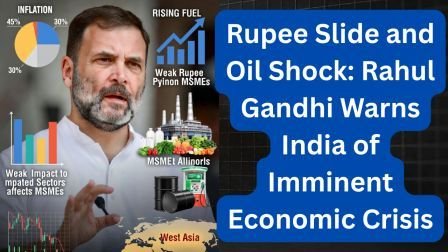
Rupee Slide and Oil Shock: Rahul Gandhi Warns India of Imminent Economic Crisis
New Delhi, March 21, 2026 Congress leader Rahul Gandhi has issued a stark warning about India’s economic future, stating that the sharp fall of the rupee and the surge in industrial fuel prices are clear indicators of an impending economic crisis. His statement, posted on X, aligns with emerging global economic trends that point toward widespread disruption triggered by the ongoing conflict involving Iran.
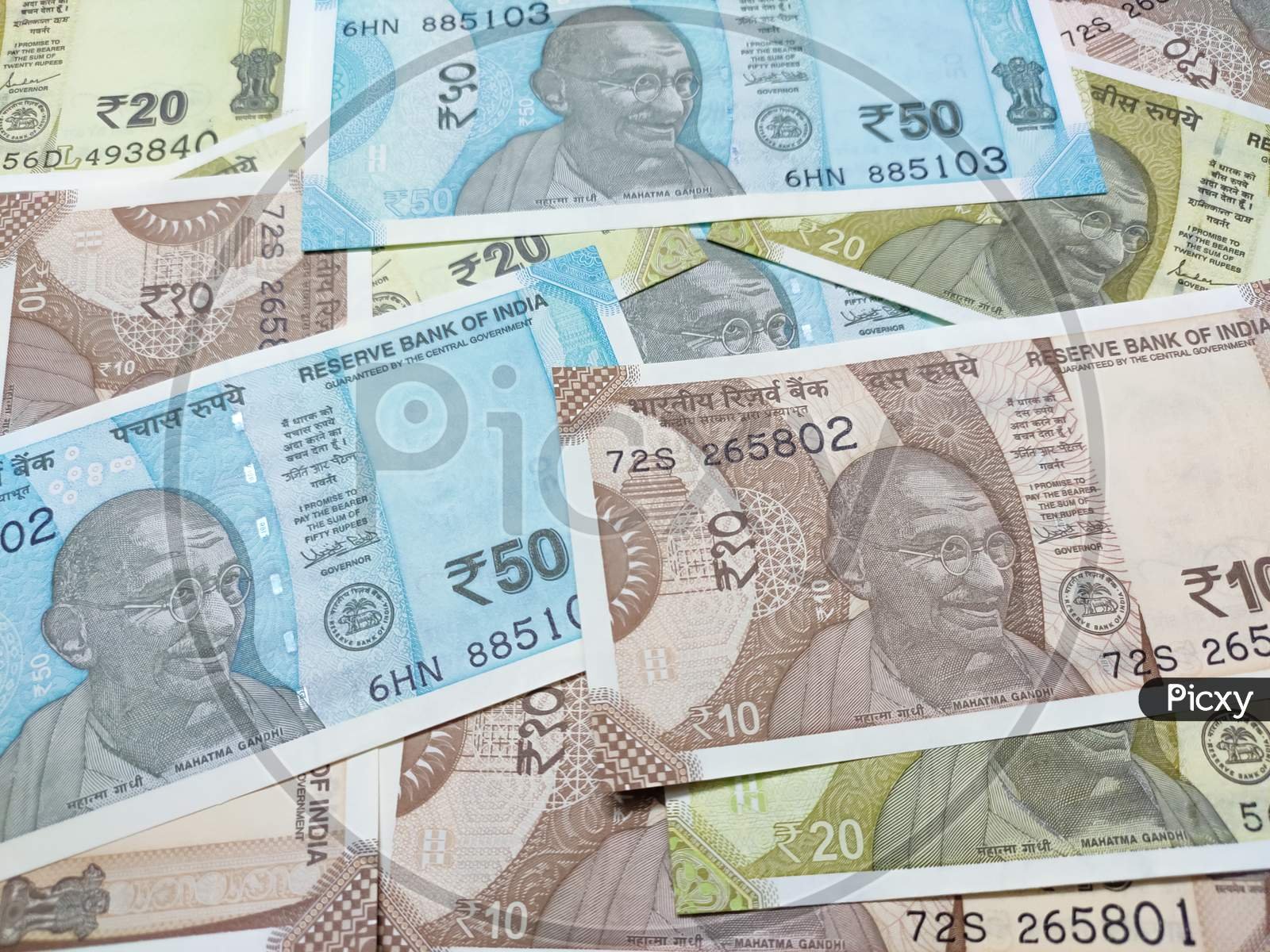
Gandhi emphasized that the rupee weakening toward the 100-per-dollar mark and the rapid spike in fuel prices are not isolated statistics but warning signals of inflation and economic stress. His assessment appears to be corroborated by global developments, as the Iran conflict has already triggered one of the most severe energy shocks in recent history.
According to widely discussed estimates, the war has disrupted a significant portion of the world’s oil and gas supply due to instability around the Strait of Hormuz, a critical global energy route. This has pushed oil prices sharply upward within weeks, directly impacting countries like India that depend heavily on imported crude oil.
Economic observers note that rising oil prices inevitably translate into higher transportation, manufacturing, and food costs. This supports Rahul Gandhi’s claim that everyday goods are likely to become more expensive in the coming months. Disruptions in supply chains and fertilizer availability are also raising concerns about a broader wave of inflation.
For India, the situation is particularly concerning. Higher oil prices tend to weaken the rupee further, increase the current account deficit, and slow down economic growth. These trends reinforce Gandhi’s warning that MSMEs, employment, and household finances could come under severe pressure if the situation continues to worsen.
The geopolitical dimension adds another layer to the crisis. The conflict involving the United States and its allies has not succeeded in stabilizing the region and has instead contributed to growing uncertainty in global markets. Critics argue that the approach of Donald Trump has failed to contain the crisis, with emergency economic measures being interpreted as signs that the situation has moved beyond effective control.
Analysts suggest that the consequences of the war are now spreading far beyond the battlefield. Supply chains are being disrupted, shipping costs are rising, and financial markets are experiencing volatility. These developments indicate that the global economy may be entering a prolonged phase of instability.
In this context, Rahul Gandhi’s warning gains further weight. His prediction that inflation will rise, foreign investment may exit, and financial markets will come under pressure reflects patterns already visible in the global economy. His caution that fuel prices could rise further after elections also points to an additional burden on Indian households.
Moreover, economists warn that if the conflict continues, the world could face stagflation a dangerous combination of high inflation and slow growth which would significantly impact developing economies like India.
In conclusion, Rahul Gandhi’s statement goes beyond political commentary and reflects a broader concern shared by many observers of the global economy. With the Iran conflict disrupting energy markets and creating financial uncertainty worldwide, India appears to be heading toward a challenging economic phase. If current trends persist, the warning signs highlighted by Gandhi may indeed translate into a deeper economic crisis affecting millions of citizens.
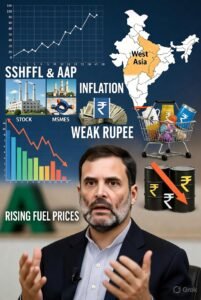
Here are the key potential impacts on the Indian economy, based on his analysis and broader economic context:Rising Inflation (Overall Price Levels): Higher imported fuel and raw material costs will push up production expenses across sectors, leading to increased consumer prices for everyday goods (food, household items, etc.). This could widen the gap between nominal and real incomes, especially hurting lower and middle-income households.
Increased Production and Transport Costs: Industries reliant on fuel/energy will face higher operational expenses, making manufacturing and logistics more expensive. This will raise the cost of goods movement and supply chains nationwide.
Severe Hit to MSMEs (Micro, Small, and Medium Enterprises): These businesses, which form the backbone of India’s economy and employ a large workforce, depend heavily on affordable energy and inputs. Rising costs could squeeze margins, lead to closures, reduced hiring, or layoffs, worsening unemployment.
Higher Prices for Everyday Items: As costs cascade through the supply chain, retail prices of essentials (groceries, utilities, transport-related services) will rise, directly reducing purchasing power and straining family budgets.
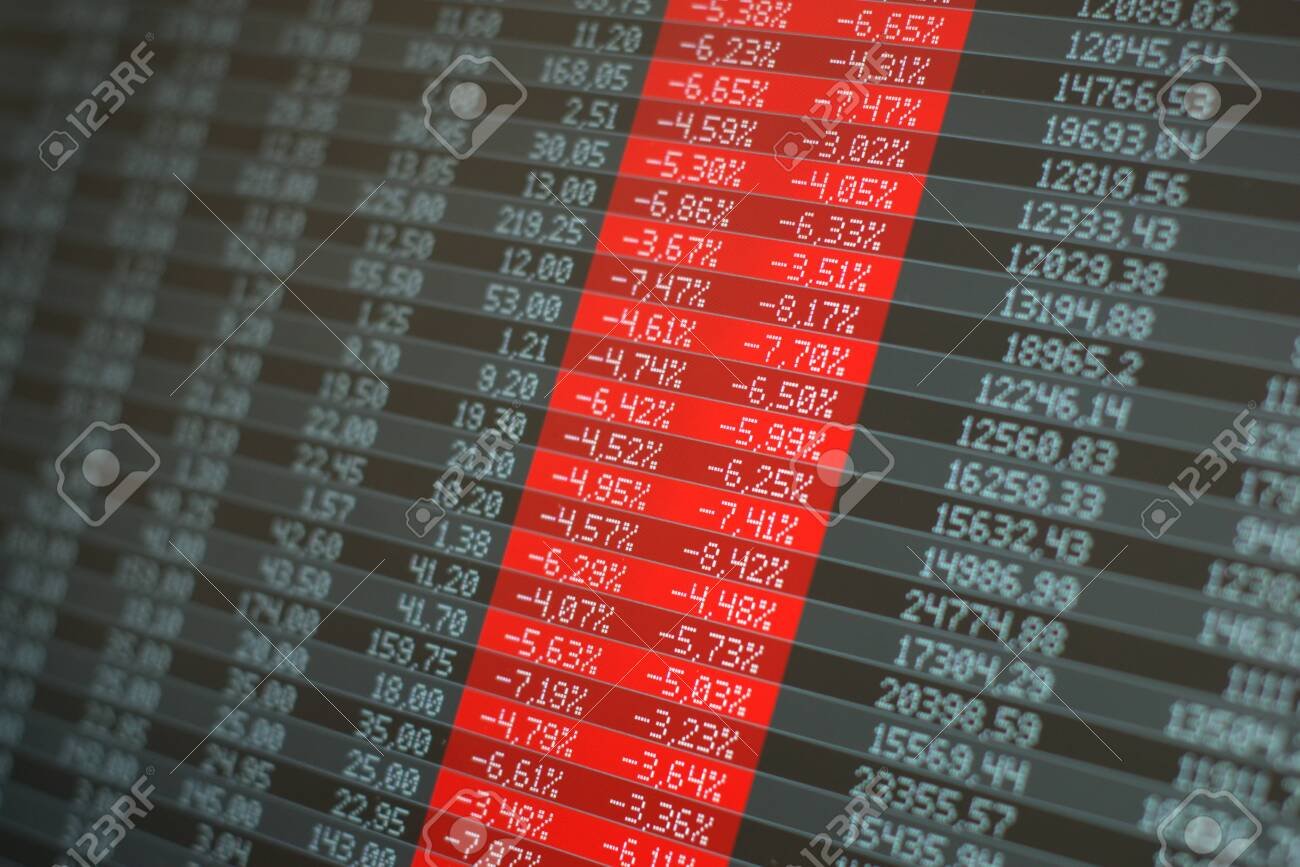
Accelerated FII Outflows and Stock Market Pressure: Foreign Institutional Investors may pull out capital faster due to currency weakness and economic uncertainty, causing sharper declines in equity markets, reduced liquidity, and potential volatility in investor sentiment.
Widening Trade and Current Account Deficit: India’s heavy reliance on imported crude oil (~80-85% of needs) means a higher oil import bill (with crude already surging past $100-118/barrel in recent reports), putting further downward pressure on the rupee and depleting forex reserves.
Likely Fuel Price Hikes Post-Elections: As predicted, petrol, diesel, and LPG prices could be increased after upcoming state elections, adding to household and business expenses (transport, cooking fuel), and fueling a secondary inflation wave.
Slower Overall Economic Growth: Persistent high inflation may curb consumer spending (a key GDP driver), discourage private investment, and force tighter monetary policy from the RBI (e.g., higher interest rates), potentially lowering GDP growth projections in the coming quarters.
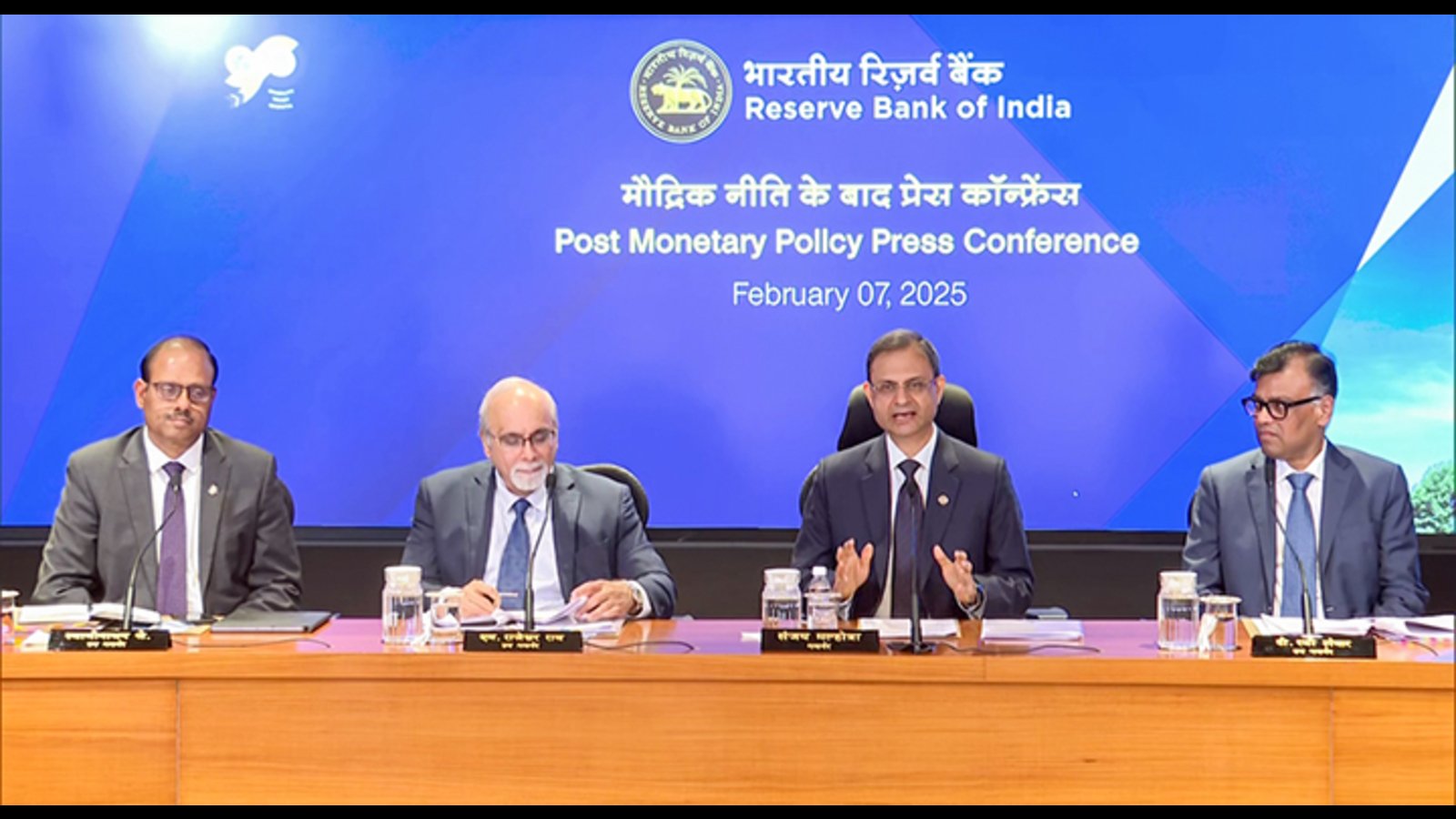
These effects stem largely from external shocks (geopolitical conflict disrupting oil supplies via routes like the Strait of Hormuz) combined with domestic vulnerabilities like high import dependence. While the RBI intervenes to stabilize the rupee, prolonged high oil prices could amplify challenges unless offset by policy measures or global price corrections.





Leave a Reply