
Townhall Times , Recent international developments have ignited a fresh debate over India’s foreign policy and the shifting balance of global power. The United States’ indirect pressure on India regarding oil purchases from Russia, reported conditions linked to Venezuelan oil imports, and increased tariffs on Indian goods have been viewed by several political parties and analysts in India as challenges to the country’s sovereignty and self-respect.
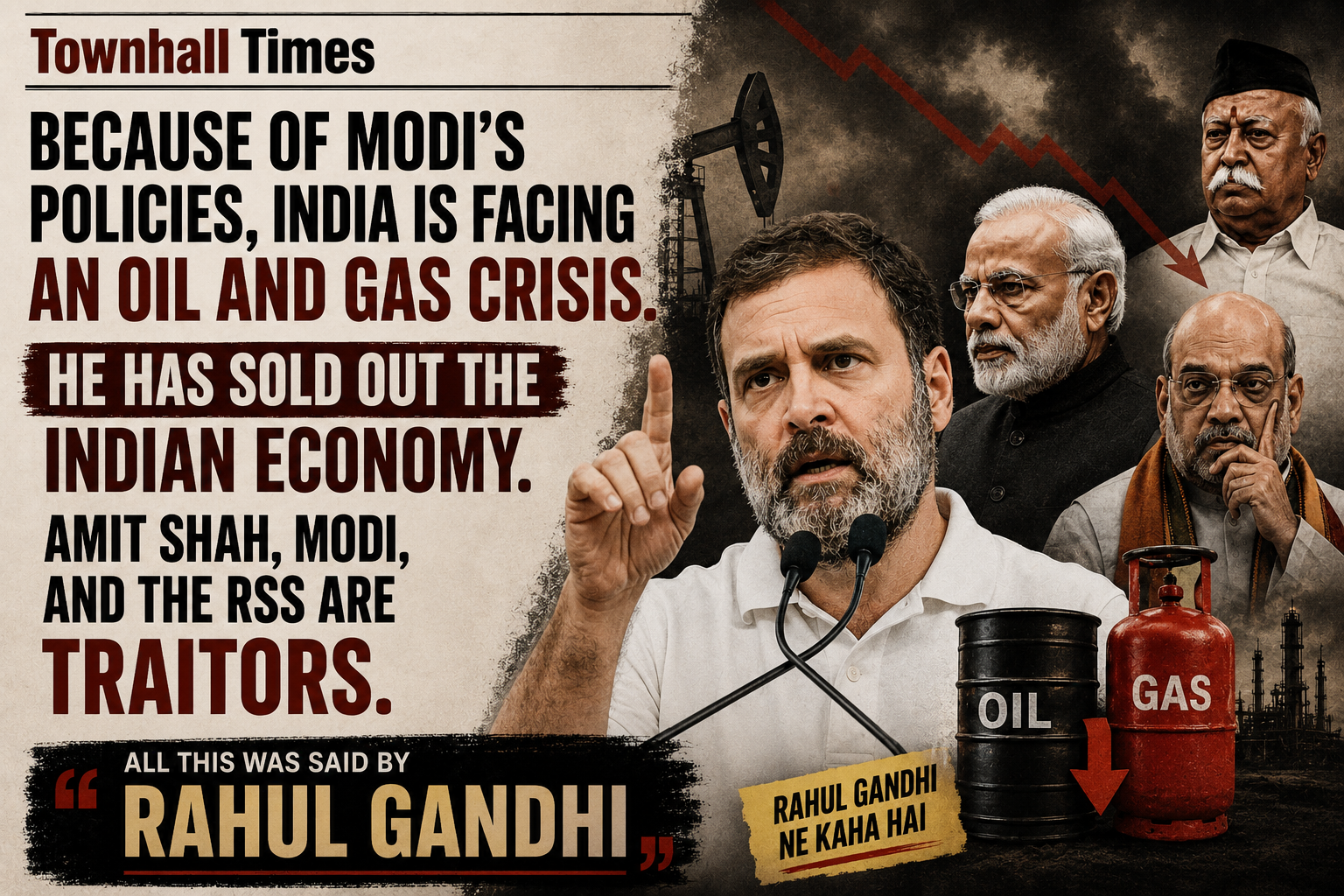
On the issue of energy security, India has consistently emphasized its policy of “strategic autonomy.” However, after the Russia–Ukraine conflict, global pressure intensified. Purchasing discounted crude oil from Russia has been economically beneficial for India, while the United States and its Western allies have pursued sanctions-based policies. Against this backdrop, opposition leaders have questioned Prime Minister Narendra Modi’s foreign policy approach, arguing that India must safeguard its independent decision-making capacity.
In West Asia, India’s diplomatic balancing act has also come under scrutiny. Traditionally, India has maintained relations with both Israel and Palestine. While defense and technological ties with Israel have strengthened in recent years, India’s position on Palestine has remained measured yet complex, reflecting a careful attempt to balance strategic interests with historical commitments.
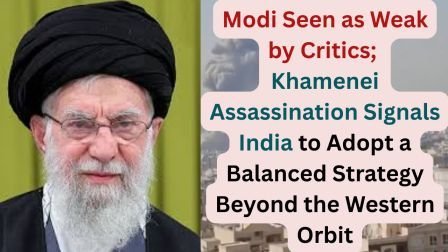
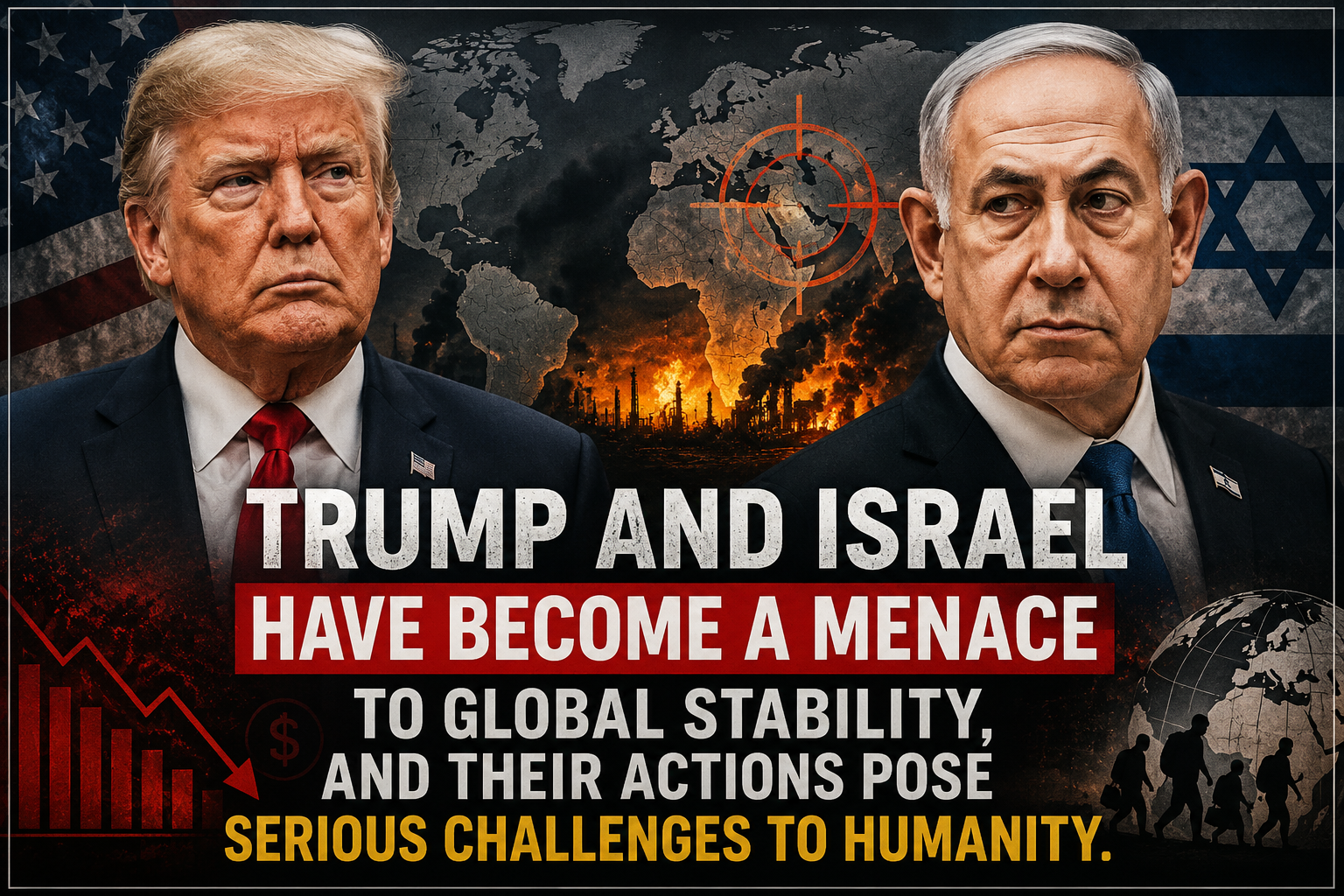
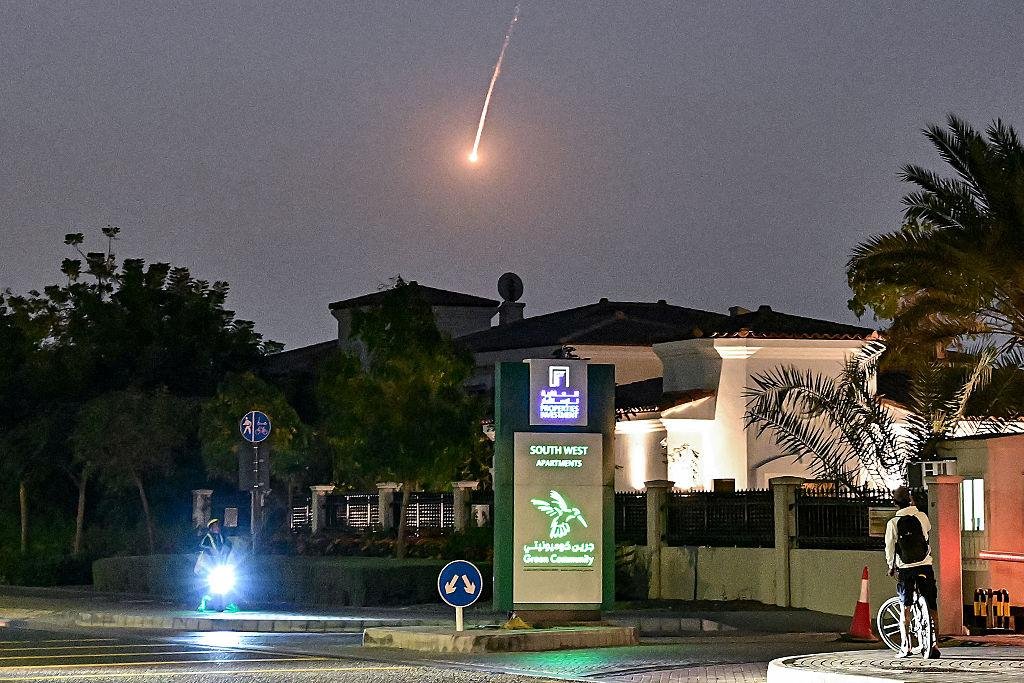
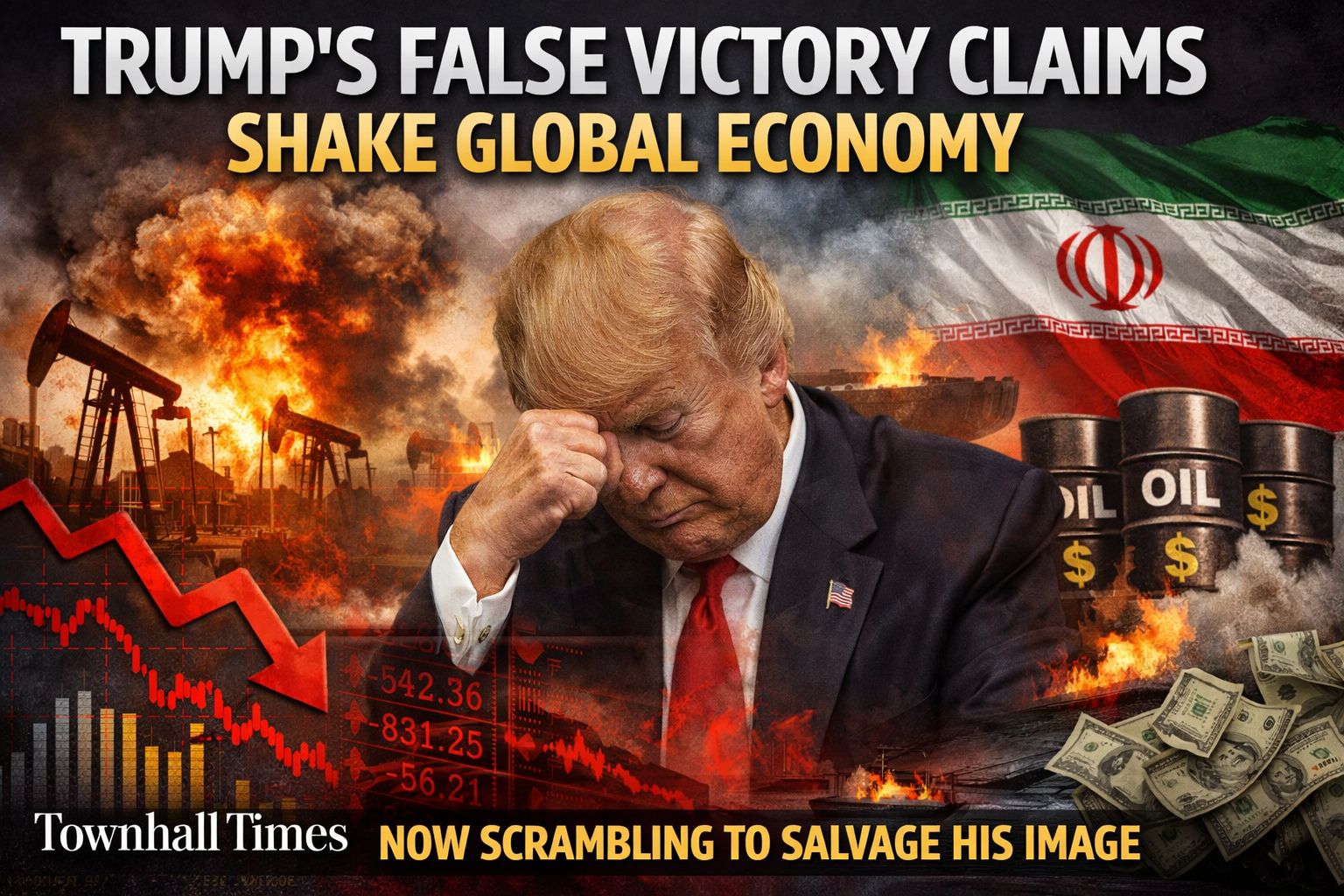
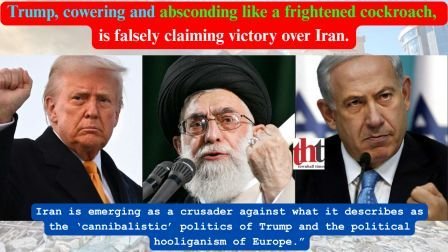
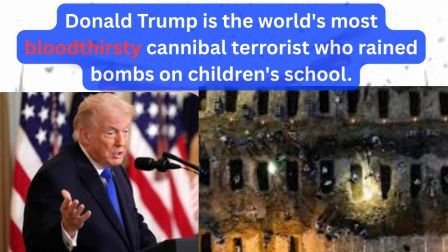
Meanwhile, reports of a U.S. strike on Iran and the assassination of Iran’s Supreme Leader Ali Khamenei have sent shockwaves through global politics. China and Russia strongly condemned the action, signaling deepening geopolitical fault lines. Under the leadership of Donald Trump, America’s assertive foreign policy has also faced criticism domestically, with sections of U.S. society expressing concern over escalating global tensions. Analysts suggest that if confrontation among major powers intensifies, it could indicate the emergence of a new world order.
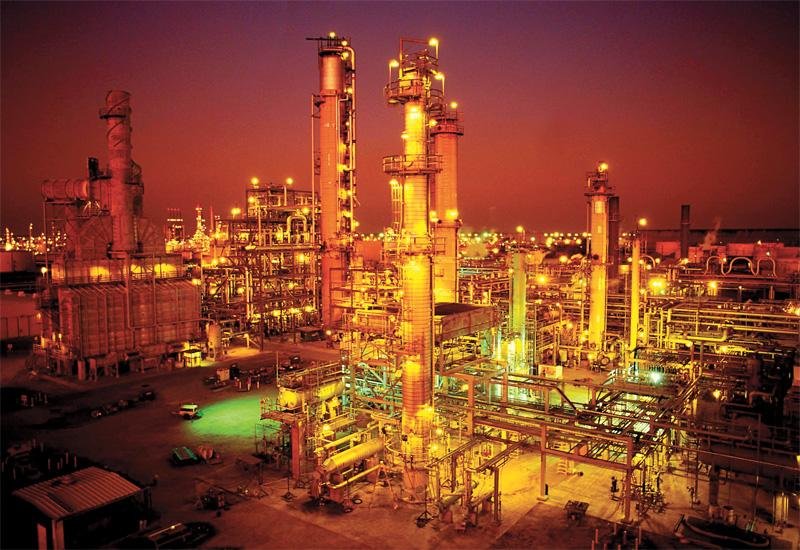
For India, the situation presents significant strategic challenges. On one hand, New Delhi continues to expand its partnership with Washington; on the other, defense and energy cooperation with Russia remains vital. Navigating between a China–Russia alignment and a U.S.–Western bloc is increasingly complex. Experts warn that rising geopolitical tensions could impact global energy prices, trade flows, food security, and overall economic stability—effects that may weigh heavily on developing nations, particularly India.
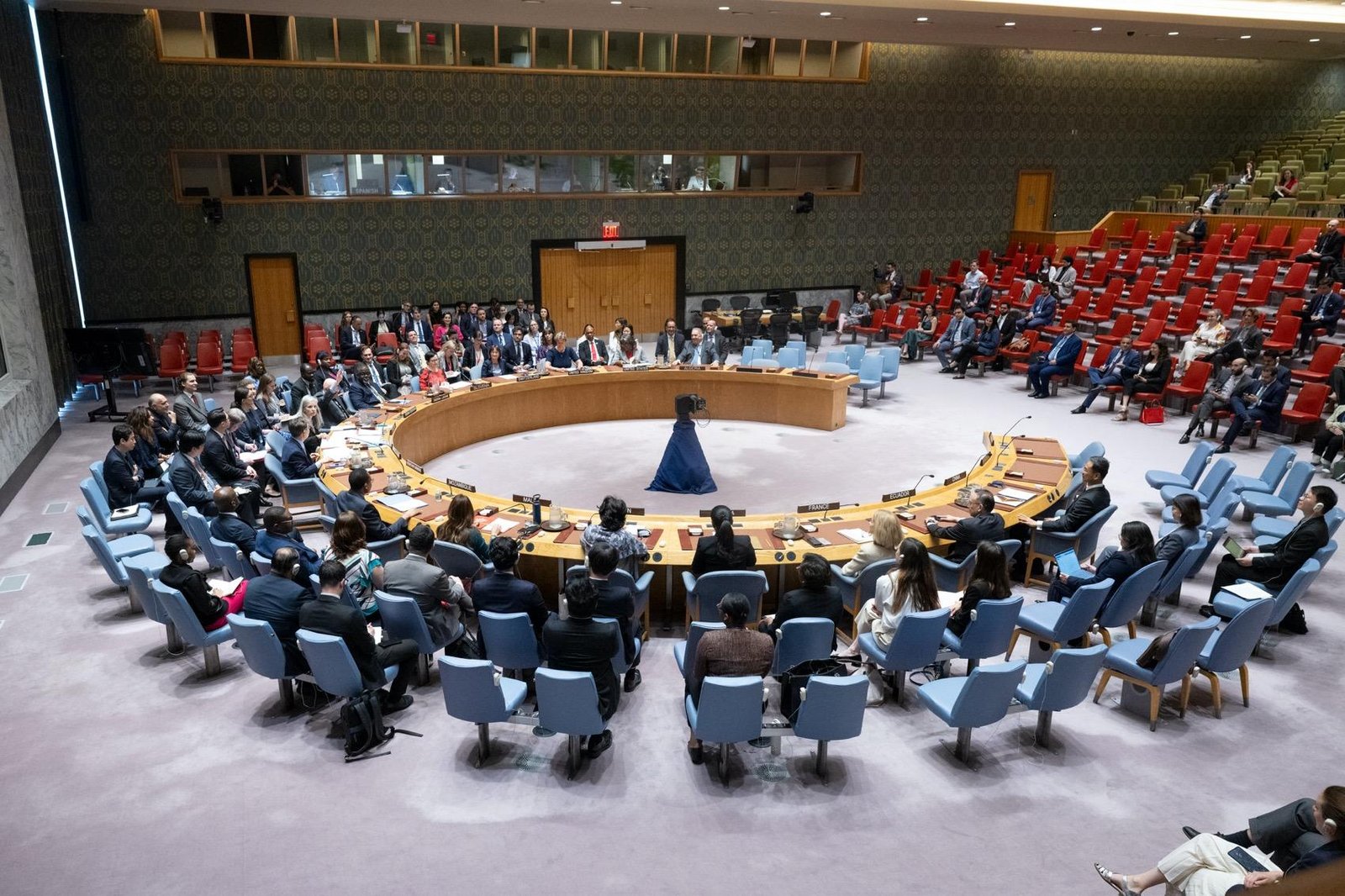
At the international level, calls for restraint, multilateral dialogue, and diplomatic engagement are growing louder. Institutions such as the United Nations and other multilateral forums are being seen as crucial platforms to prevent further escalation. The coming months will determine whether the current tensions are temporary disruptions or signs of a profound transformation in the global order.


Leave a Reply