
Townhall Times, New Delhi
Reporter: Bhavika Kalra
By: Urban Transit Bureau | New Delhi Tuesday, February 24, 2026
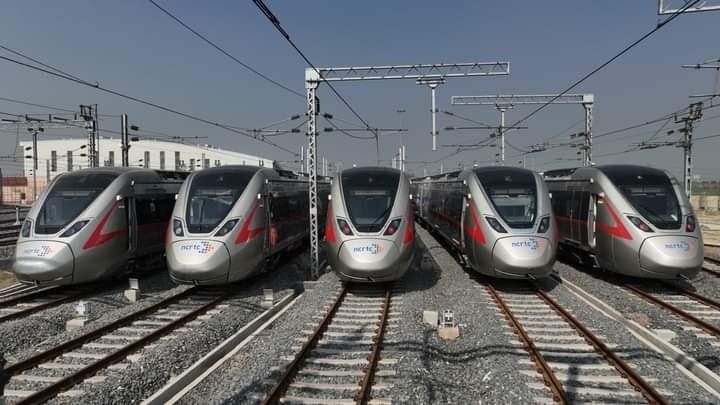
The wait is over, and the skeptics have been silenced. Yesterday, Monday, February 23, marked the first full day of commercial operations for the entire 82-km Delhi–Ghaziabad–Meerut RRTS corridor. The result? A staggering 1,00,000+ ridership that shattered every internal projection.
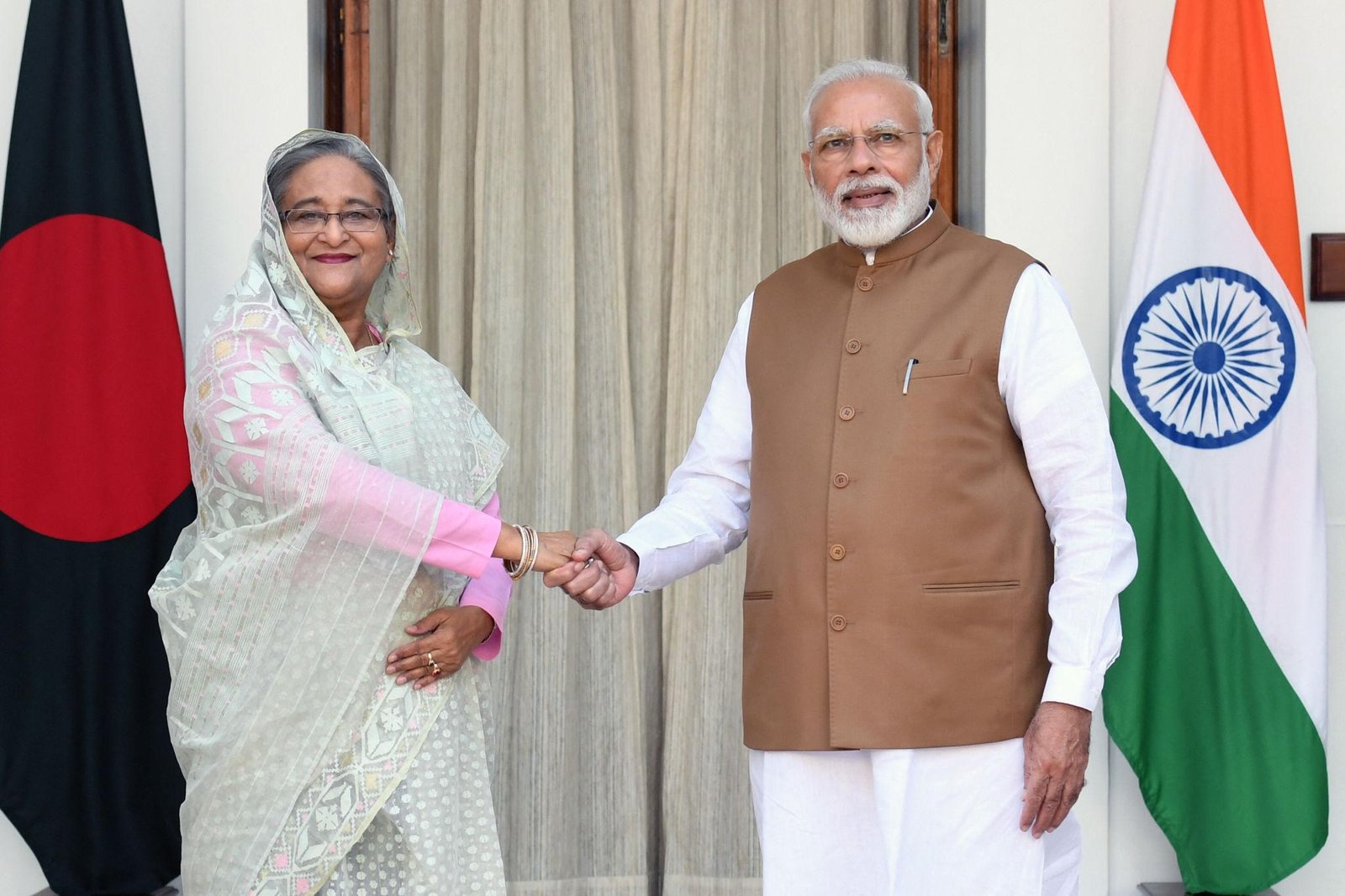
If the inauguration on Sunday by PM Modi was the ceremony, Monday was the stress test. Platforms at Sarai Kale Khan and Begumpul weren’t just busy; they were packed with a new generation of commuters who have officially traded their car keys for a QR-coded ticket.
1. The ‘Sarai Kale Khan’ Effect
The massive multimodal hub at Sarai Kale Khan is the engine of this success.
-
Seamless Integration: For the first time, a commuter from Meerut can deboard at Sarai Kale Khan and reach the Delhi Metro Pink Line or the Hazrat Nizamuddin Railway Station in under five minutes via travelators.
-
The 58-Minute Reality: Commuters who used to spend three hours on the Delhi-Meerut Expressway are now doing the trip in 58 minutes. That’s two hours of life “refunded” every single day.
2. Meerut Metro: The ‘Space-Saver’ Innovation
One of the most talked-about features on day one was the Meerut Metro operating on the exact same tracks as the Namo Bharat trains.
-
How it works: In a global first, local metro trains (3 coaches) and high-speed regional trains (6 coaches) share the same platform and signaling.
-
The Speed: Even the “local” Meerut Metro is running at 120 km/h, making it the fastest city metro in India.
3. First-Day Ridership Breakdown
| Segment | Ridership Count | Commuter Profile |
| Delhi-Ghaziabad | ~35,000 | Tech professionals and students heading to Anand Vihar. |
| Meerut Local (Metro) | ~25,000 | Local shoppers and officegoers within Meerut city. |
| End-to-End (Meerut-Delhi) | ~40,000 | Business travelers and daily long-distance commuters. |
4. Technical Dominance: ETCS Level 2 & LTE
Why didn’t the system crash under a 1-lakh passenger load?
-
Signaling: The system uses ETCS Level 2 over an LTE network. This allows trains to run at a frequency of every 10 minutes during peak hours with millisecond precision.
-
The Premium Factor: The “Premium Coach” saw 95% occupancy yesterday. At a fare of ₹225 for the full trip, business travelers are treating it as a “mobile office” with reclining seats and charging ports.
The Challenges: Crowds and QR Codes
It wasn’t all perfect. First-day “tourists” (people riding just for the experience) caused significant congestion at Modipuram and New Ashok Nagar.
-
Ticketing Bottlenecks: While the Namo Bharat App worked well, several elderly passengers struggled with the digital-only QR kiosks, leading to long physical queues at Sarai Kale Khan.
-
Last Mile Gaps: While the RRTS is fast, the e-rickshaw and bus integration at smaller stations like Guldhar and Muradnagar still needs work.
The Verdict: The ‘NCR 2.0’ Era is Here
The 1,00,000+ ridership on day one proves that the demand for high-speed regional rail wasn’t just “projected”—it was desperate. We are no longer looking at Meerut as a distant satellite town; it is now a suburb of Delhi.









Leave a Reply