
Townhall Times, New Delhi
Reporter: Bhavika Kalra
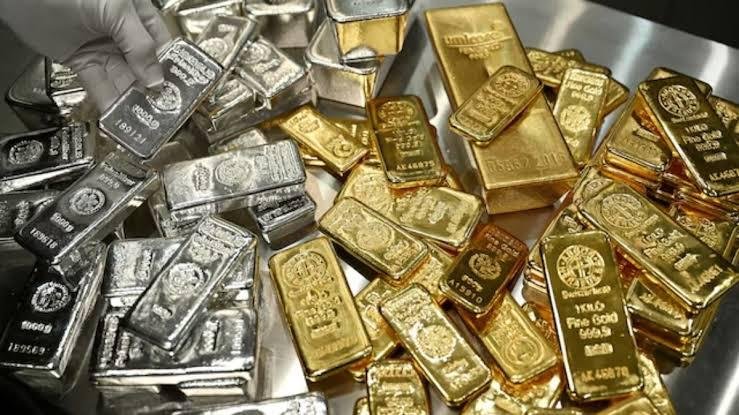
The glitter of gold and silver in the Indian market today is blinding, but it’s far from a sign of prosperity. To the casual observer, rising gold prices are often dismissed as “global fluctuations” or “wedding season demand.” But if you peel back the layers, the current surge is a flashing red siren for the Indian Rupee and the underlying health of the national economy.
The question we need to ask is simple: Is gold getting more valuable, or is our money simply becoming worthless?
The Dollar-Rupee Trap: Why Imports are Killing Us
Gold is priced globally in US Dollars. Since India imports almost every gram of gold it consumes, the domestic price is a direct hostage to the exchange rate.
Lately, we’ve seen a strange phenomenon. Even when gold prices stabilize on the London or New York exchanges, the price in Delhi and Mumbai continues to climb. Why? Because the Indian Rupee is bleeding against the Dollar. Every time the Rupee hits a new low, your gold gets a “forced” price hike. This isn’t a sign of an “asset getting stronger”—it is the literal definition of the Rupee’s purchasing power evaporating in real-time.
The Currency Crisis: Beyond Global Excuses
Whenever the Rupee falls, the standard response from the Ministry is to blame “global headwinds” or “geopolitical tensions.” But currency strength is a mirror of internal stability. A currency stays strong when exports are high, foreign investment is organic (not just speculative), and domestic inflation is under control.
The fact that the Rupee continues to struggle suggests that despite the “High Growth Rate” narrative, the structural pressure on the Indian economy—rising imports, stagnant exports, and a massive trade deficit—is reaching a breaking point. Gold is simply the scoreboard that shows we are losing the game.
The “Safe Haven” Panic: Why Trust in the Sensex is Shaking
Why are people rushing to buy gold even at these astronomical rates? It’s a classic symptom of Economic Anxiety.
When people lose faith in the stock market, when job security feels like a myth, and when small businesses are struggling to stay afloat, they stop “investing” and start “hoarding.” Gold has always been the “panic button” of the Indian investor. The massive surge in demand suggests that the common man is skeptical of the “Vikas” (Development) story. They are moving their savings from banks and stocks into gold because they fear the future. A healthy economy encourages spending and industrial investment; a frightened economy hides its cash in gold biscuits.
The Inflation Illusion
Inflation is the silent thief in this picture. When the cost of milk, vegetables, and fuel rises faster than the average person’s salary, their real wealth shrinks. In this scenario, gold becomes a “solid” asset compared to “paper” currency.
If people trusted the Rupee to hold its value over the next five years, they would keep their money in savings accounts. They don’t. The rush toward gold and silver is a vote of “No Confidence” in the paper currency issued by the state. It shows that in the eyes of the public; the economy is nowhere near as strong as the official PowerPoint presentations suggest.
Silver’s Story: Beyond Industrial Demand
The rise in silver is even more telling. While analysts point toward its use in EV batteries and solar panels, there is a significant rise in “retail investment” in silver. When the common man—who can no longer afford gold—starts buying silver as a hedge, it shows that the lack of trust in cash has trickled down to the lowest economic strata. This isn’t “industrial growth”; it’s the “poor man’s panic.”
Conclusion: The Two Faces of India
On the surface, we see a country building mega-highways and hosting global summits. But underneath, we have a currency that is struggling to breathe, an import bill that is bloating, and a population that is terrified of losing its savings.
Rising gold and silver prices are not a trophy for a growing economy. They are a warning. They suggest an internal imbalance that can no longer be hidden behind global excuses. If the common man’s trust in his own currency continues to fail, no amount of “high growth” headlines will be able to hide the cracks in the foundation.










Leave a Reply