
Townhall Times, New Delhi
Reporter: Bhavika Kalra
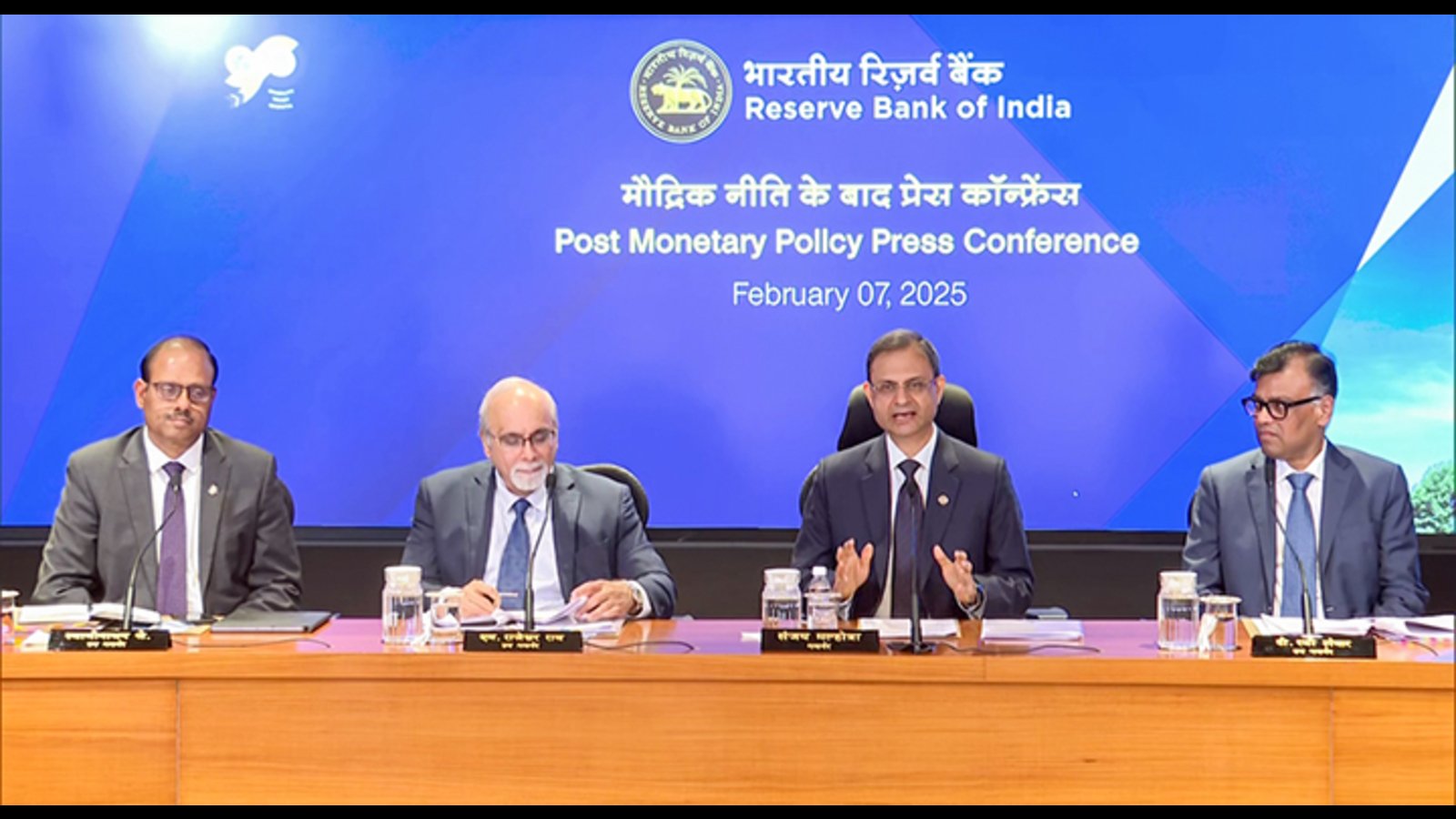
If you were looking for a clear signal that interest rates are headed down anytime soon, the latest vibe coming out of Mumbai is going to be a bit of a cold shower. It’s Monday, February 23, 2026, and the Reserve Bank of India (RBI) has made one thing very clear: they aren’t in a hurry.
The Monetary Policy Committee (MPC) is currently stuck in a classic “tug-of-war.” On one side, you have a government pushing for growth and a market desperate for cheaper home loans. On the other, you have the ghost of inflation that just won’t stay in the bottle. Governor Shaktikanta Das is playing the long game, effectively telling everyone to keep their shirts on while the bank stays “vigilant.”
The Inflation Ghost: It’s All About the Kitchen
The RBI’s target is 4%. It’s their “holy grail.” While headline inflation has dipped a bit, the core issue is that food prices are acting like a rollercoaster. You can’t cut rates when the price of tomatoes or pulses can spike 20% in a week due to a bad monsoon or a supply chain glitch.
The bank knows that if they cut rates too early and inflation jumps back up, they lose their most valuable asset: credibility. They’ve spent years building a reputation for being tough on prices, and they aren’t going to throw that away just to give the stock market a temporary high. Core inflation—the stuff that doesn’t include food and fuel—is looking better, but as long as the “thali” remains expensive for the average Indian, the RBI is staying in a defensive crouch.
The Growth Engine: Running Hot, But for How Long?
Here’s the interesting part: India is still the “bright spot” in a pretty gloomy global economy. Our GDP growth is holding up, powered by the government’s massive infrastructure spending and a digital economy that’s moving at warp speed.
The RBI’s dilemma is that if they keep rates high for too long, they might accidentally “choke” this momentum. Manufacturing firms are already complaining about high borrowing costs, and the MSME sector—the backbone of Indian jobs—is feeling the squeeze. But for now, the RBI’s bet is that the economy is strong enough to handle the current rates. They’d rather have slightly slower growth than a “runaway train” of inflation.
The “Fed” Shadow: Watching Washington from Mumbai
We don’t live in a vacuum. The RBI is keeping a very close eye on the US Federal Reserve. If the Fed keeps their rates high, the RBI can’t really cut ours without risking a massive “capital flight”—where investors pull money out of India to chase higher, safer returns in the US dollar. That would tank the Rupee, make our oil imports more expensive, and guess what? Cause more inflation. It’s a vicious cycle, and it’s why our central bank is often forced to wait for the Americans to move first.
What This Means for You (The “Real World” Impact)
If you’re waiting to buy a house or looking for your car EMI to drop, you might be waiting until late 2026. The “pause with vigilance” strategy basically means: Status Quo. * Fixed Deposits: This is actually good news for savers. Senior citizens and FD holders will continue to get decent returns for a few more quarters.
-
Home Loans: Expect your floating rates to stay right where they are. Don’t plan your budget around a rate cut just yet.
-
Corporate India: Companies are going to have to be more disciplined with their debt. The era of “easy money” hasn’t returned yet.
The Bottom Line
As of February 23, 2026, the RBI is in “wait and watch” mode. They are looking for a “durable” decline in inflation—not just a one-month dip. They want to see the 4% target being hit consistently before they even think about touching the repo rate.
It’s a boring strategy for the news cycles, but it’s a safe one for the economy. In the world of central banking, boring is usually better. The RBI is choosing stability over speed, and in a world as volatile as ours right now, that might be the smartest move on the board.











Leave a Reply