
Townhall Times, New Delhi
Reporter: Bhavika Kalra
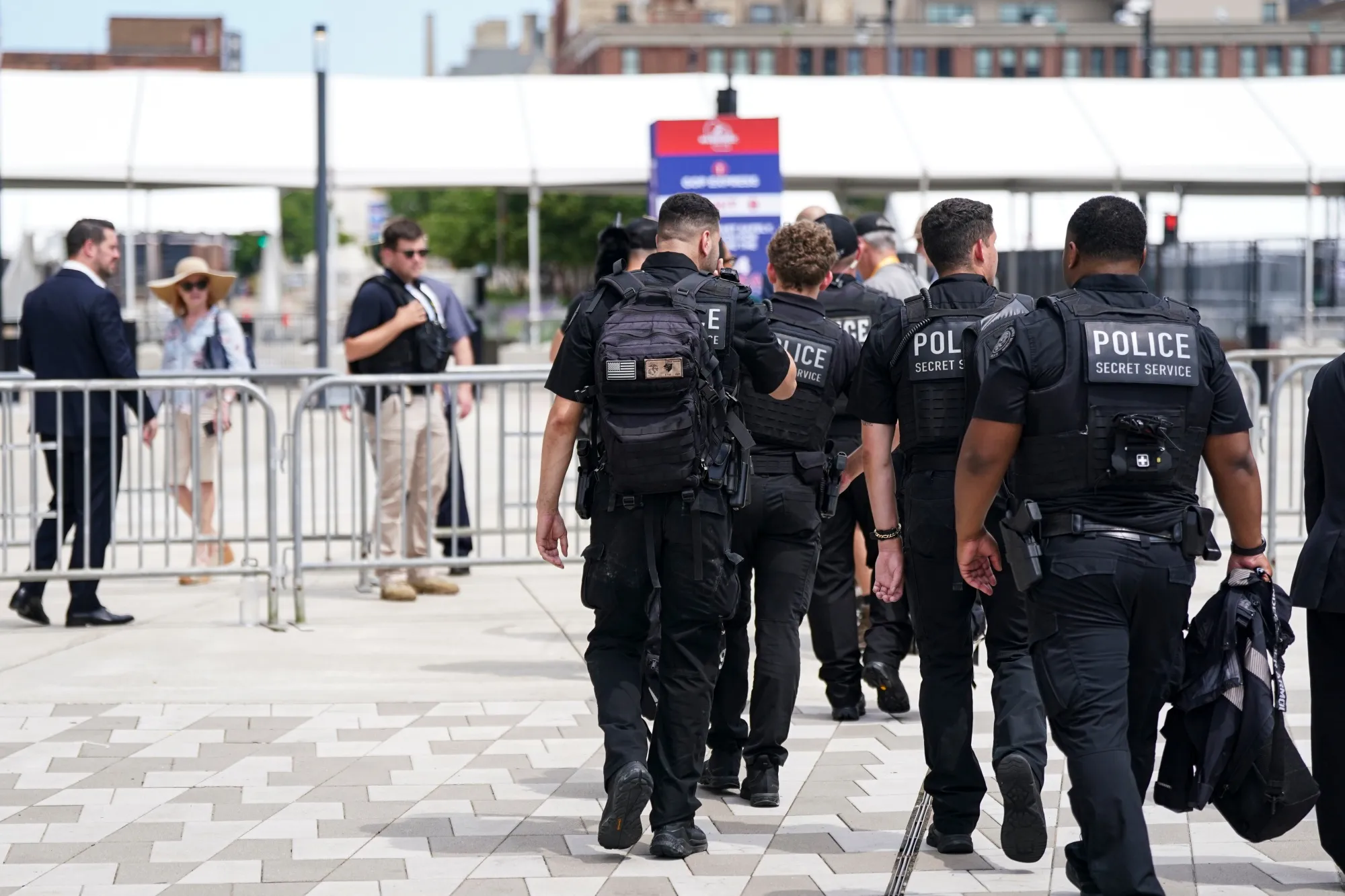
The salt air of Palm Beach usually smells like money and slow afternoons, but at 1:30 in the morning on Sunday, it smelled like cordite and gasoline. In a frantic burst of gunfire, the quiet of South Ocean Boulevard was shattered as Secret Service agents neutralized a 21-year-old intruder who had managed to slip past the outer layers of one of the most protected private residences on earth.
As of today, Monday, February 23, 2026, the body of Austin Tucker Martin has been identified, but the “why” behind his final, suicidal charge at Donald Trump’s front gate is still being pieced together by federal investigators.
The Breach: A Silent Slip through the Gates
The way it happened is enough to give any security expert a heart attack. Martin didn’t scale a wall or use a high-tech gadget. He used “tailgating”—a tactic so simple it’s almost offensive. A vehicle was exiting the north gate of the Mar-a-Lago estate. As the heavy gates swung open to let that car out, Martin’s silver 2013 Volkswagen Tiguan slipped right into the closing gap.
Within seconds, the alarms were screaming. Secret Service agents and a Palm Beach County deputy confronted Martin just inside the inner perimeter. He wasn’t hiding. He stepped out of his car holding a shotgun and a red plastic fuel canister. The commands from the agents were loud and unmistakable: “Drop the items! Hands up!”
According to the reports coming out of the Sheriff’s office, Martin set the gas can down, but he didn’t drop the gun. Instead, he leveled the shotgun into a shooting position, aiming directly at the agents. That was the point of no return. The agents fired multiple rounds, and Martin was pronounced dead right there on the asphalt. He never got a shot off.
Who Was the Man with the Shotgun?
This is where the story gets really weird. Usually, when someone attacks a political figure, you find a manifesto or a long history of radicalization. But Austin Tucker Martin was a “quiet” golf course artist from North Carolina. His family described him as a kid who “wouldn’t hurt an ant.” His cousin, Braeden Fields, told reporters that the whole family—Austin included—were massive Trump supporters.
But over the last few months, something had clearly shifted. Investigators have found text messages Martin sent to co-workers just a week before he disappeared. He had become obsessed with the Jeffrey Epstein files. One text read: “I don’t know if you read up on the Epstein Files, but evil is real and unmistakable.” It seems he had fallen down a dark rabbit hole of conspiracy theories, convinced that powerful elites were “getting away with it” while regular people struggled.
He was reported missing by his family on Saturday. Somewhere between North Carolina and Florida, he bought a shotgun and a gas can. By Sunday morning, he was dead at the gates of the man he supposedly supported.
The Security Failure: Why the System Didn’t Stop Him Sooner
While the Secret Service is being praised for their “neutralization of the threat,” there’s a massive amount of “Monday morning quarterbacking” going on in Washington. How does a kid with a shotgun in plain sight “slip in” past the north gate of a former President?
Sheriff Ric Bradshaw has been blunt, saying the system worked because the intruder was stopped before he reached the main house. But the reality is that Trump wasn’t even there. He was at the White House for the National Governors Association dinner. If the former President had been in residence, this would have been a national catastrophe.
This is the third major security breach Trump has faced in two years—following the Butler rally shooting and the incident at his International Golf Club. It’s a grim reminder that the security bubble around high-profile political figures is under more pressure now than at any point in modern history.
The Investigation: FBI and the Digital Trail
The FBI’s Miami field office has taken the lead. They are currently scrubbing Martin’s digital footprint—his social media, his gaming accounts, his browser history—to see if he was acting alone or if he was being egged on by someone online.
There’s also a lot of heat on FBI Director Kash Patel right now. Critics are slamming him for being spotted at the Winter Olympics in Italy while the Mar-a-Lago scene was still active. Patel has fired back, but in the hyper-charged environment of 2026, the optics are terrible. People want to know that the head of the FBI is on top of a breach at a presidential residence, not celebrating a hockey win across the ocean.
What’s Next for Palm Beach?
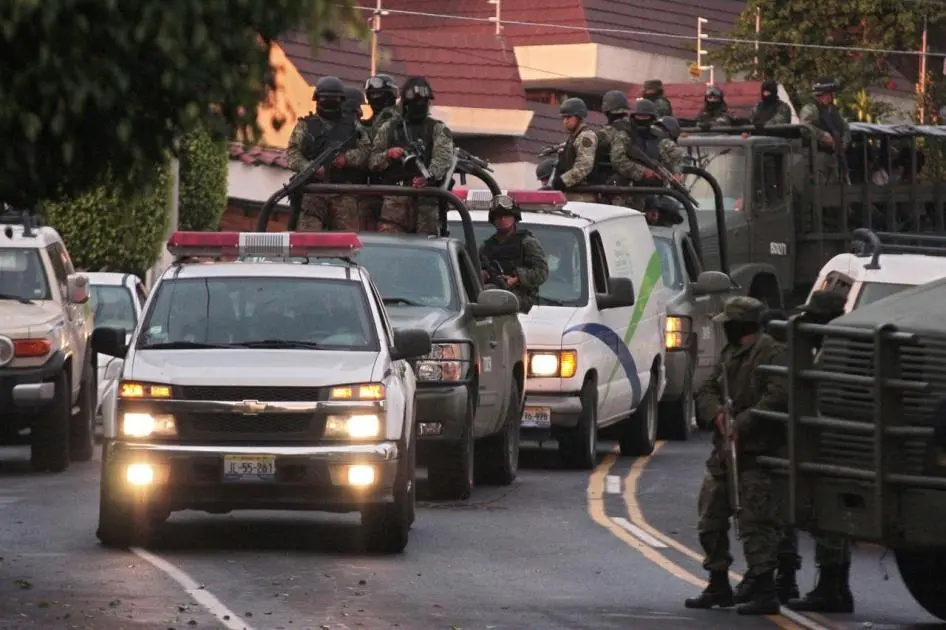
For the residents of Palm Beach, this is just the latest chapter in a long saga of living in a fortress. South Ocean Boulevard remains closed, and the community is on edge. The presence of the fuel can suggest that Martin might have been planning an arson attack or a suicide bombing, which has changed the way investigators are looking at the threat level.
It’s February 23, 2026, and today, Mar-a-Lago looks like a war zone. The shooting is a brutal reminder that in today’s America, the line between a regular day and a history-altering tragedy is only as thick as a Secret Service agents trigger finger.












Leave a Reply