
Townhall Times, New Delhi
Reporter: Bhavika Kalra
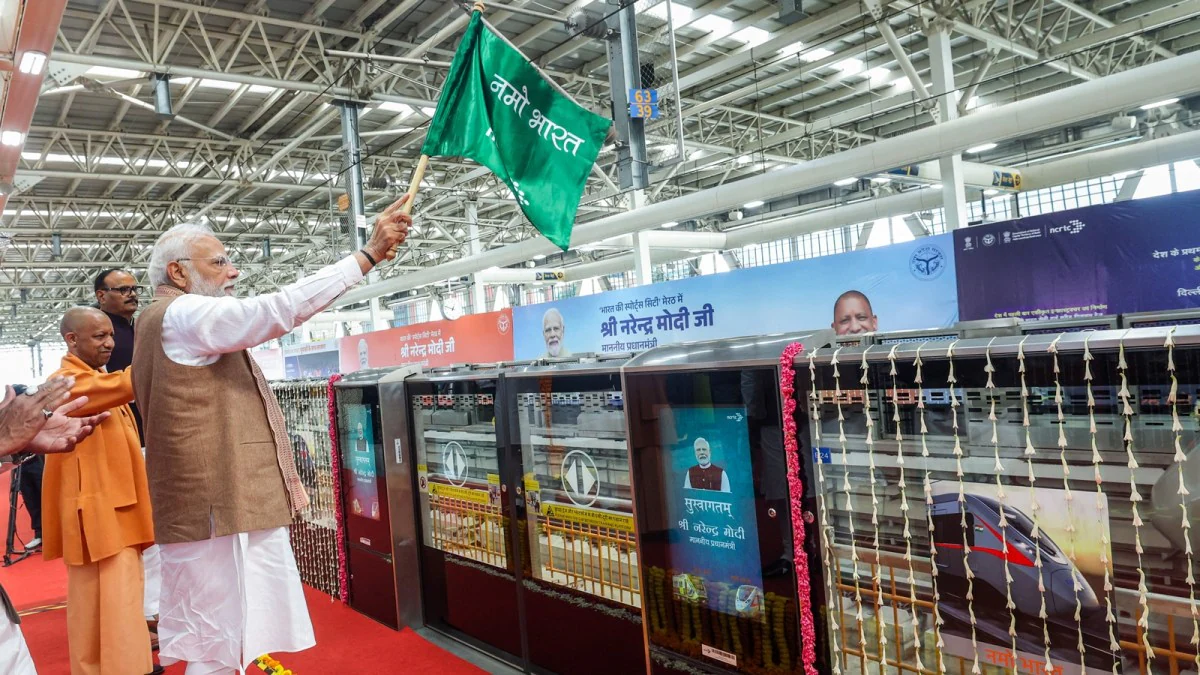
For decades, Meerut felt like a distant planet if you lived in Delhi. Even with the expressway, a bad traffic day could turn a quick trip into a half-day nightmare. Today, the Regional Rapid Transit System (RRTS) has officially deleted the distance.
1. The “Namo Bharat” Experience: Speed Meets Tech
This isn’t a Metro, and it’s definitely not your local passenger train. The Namo Bharat is India’s first “Semi-High-Speed” regional rail.
-
The Speed: It tops out at 160 km/h. To put that in perspective, while people are bumper-to-bumper on the road below, you’re flying past them at twice their speed.
-
The Time: From the heart of Delhi (Sarai Kale Khan) to Meerut in under 60 minutes.
-
The Comfort: Think “Flight on Tracks.” We’re talking premium seating, onboard Wi-Fi, luggage racks for travelers, and a dedicated coach for women. It’s designed for the professional who wants to work on their laptop while zipping across state lines.
2. Sarai Kale Khan: The “Grand Central” of India
The starting point of this journey, Sarai Kale Khan, has been transformed into a massive Multi-Modal Hub. This is the coolest part of the project:
-
You can get off a Delhi Metro train, walk a few steps, and hop onto the RRTS.
-
Or you can arrive via an Inter-State Bus (ISBT) or a National Train at the railway station and switch to the Namo Bharat without ever leaving the complex.
-
It’s seamless, it’s fast, and it finally brings European-style transit logic to the NCR.
3. Why This is a Gamechanger for Meerut
Meerut is a powerhouse for sports goods and manufacturing, but its growth was always choked by bad connectivity.
-
The Economic Explosion: Now, someone can live in a spacious home in Meerut and work a 9-to-5 job in Central Delhi without spending four hours on the road.
-
Real Estate Shift: Expect property prices in Modinagar, Muradnagar, and Meerut South to skyrocket. These are no longer “far-off towns”; they are now premium suburbs of Delhi.
-
Pollution Control: Every Namo Bharat train can take hundreds of cars off the road. In an NCR that chokes on smog every winter, this is the “Green Lung” the region desperately needed.
4. The Tech Behind the Scenes
For the rail geeks, this is a masterpiece. It uses the European Train Control System (ETCS).
-
Safe & Smart: The trains talk to each other. They know exactly where the next train is, allowing them to run at high frequencies (every 5-10 minutes) without any risk.
-
Platform Screen Doors: Like the elite Metro lines, the platforms have glass barriers that only open when the train stops. No more overcrowding near the edge.
5. What’s Next for the NCR?
The Delhi-Meerut line is just Phase 1. The master plan is to turn the entire National Capital Region into a “One-Hour Zone.”
-
Coming Soon: Work is already accelerating on the Delhi-Alwar and Delhi-Panipat corridors.
-
The Vision: Soon, the NCR will be a giant spiderweb of high-speed tracks, making the “commuter’s headache” a thing of the past.
The Bottom Line (Feb 23, 2026)
The era of the “Meerut-Delhi struggle” is dead. Today, a student from Meerut can reach Delhi University faster than someone living in the deep corners of West Delhi.
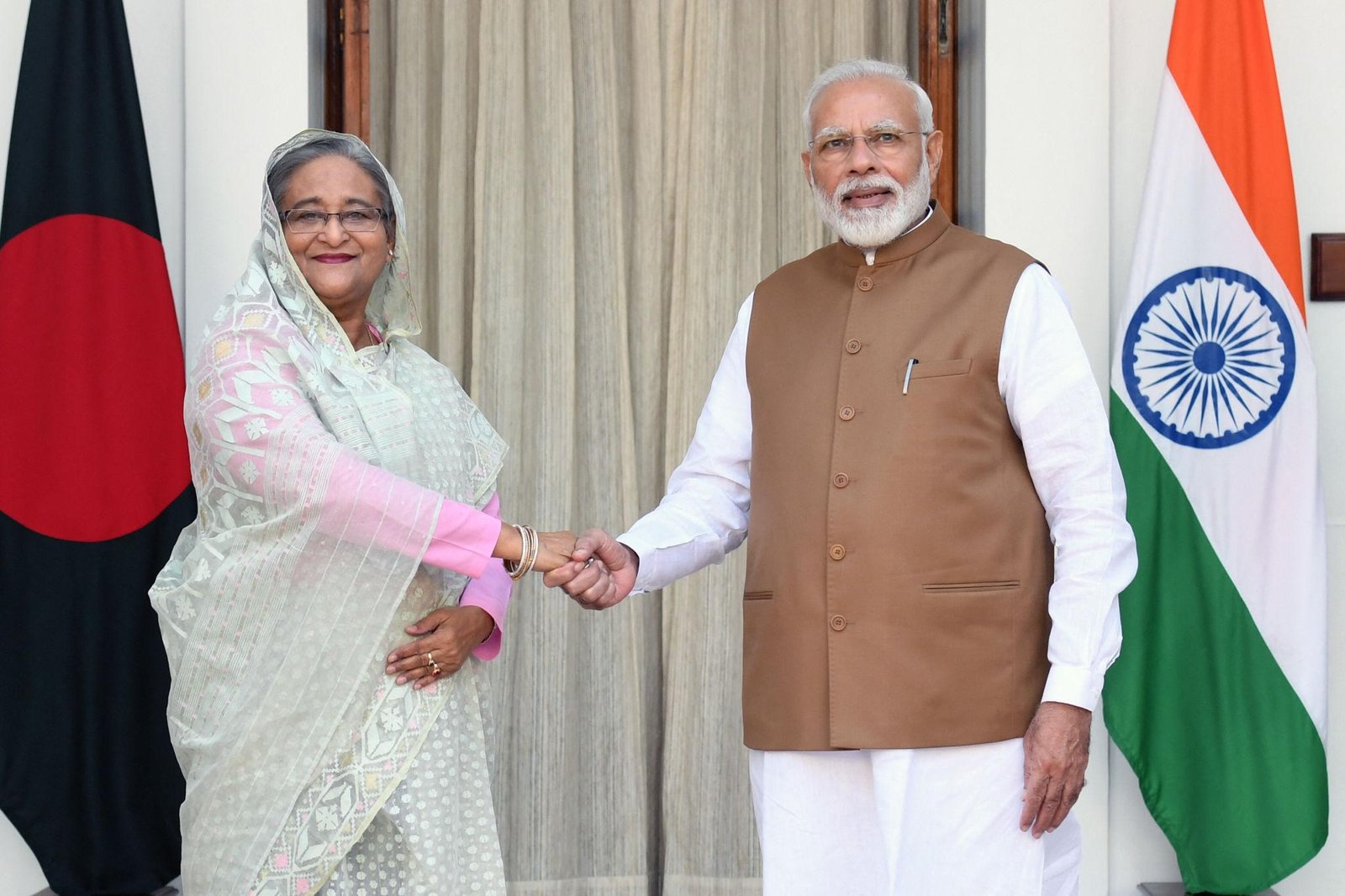
PM Modi’s inauguration today isn’t just about a train; it’s about giving people their time back.









Leave a Reply