
Townhall Times, New Delhi
Reporter: Bhavika Kalra
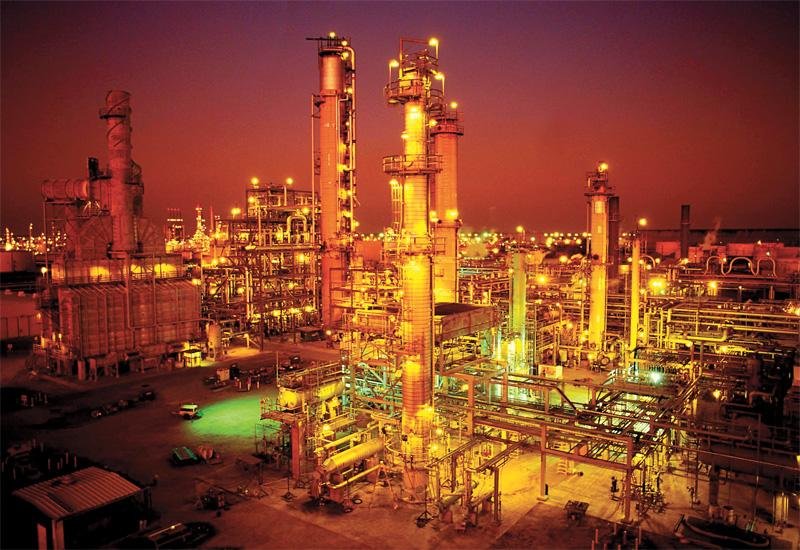
If you’ve pulled up to a fuel station in New Delhi this morning, you’ve felt it—the slight wince as the numbers on the pump climb higher and faster than last month. We aren’t just looking at local price hikes; we are witnessing a global energy tug-of-war. As of mid-February 2026, the intersection of Middle Eastern tension and tight supply chains has landed a heavy blow on India’s retail fuel prices.
1. The Global Spark: A Market on Edge
The international benchmark, Brent Crude, is currently dancing in a dangerous zone—somewhere between $100 and $108 per barrel. But why the sudden fever?
-
Geopolitical Jitters: It’s no secret that the Middle East is the world’s “petrol pump.” With fresh tensions near the Strait of Hormuz, traders are panicking. Since nearly 20% of global oil passes through that one narrow waterway, any threat of a blockade sends prices into a vertical spike.
-
The OPEC+ Squeeze: The big producers aren’t exactly playing fair. By keeping production quotas low, they ensure that demand stays high and prices stay even higher.
-
The Sanction Cycle: Ongoing trade bans on major oil-producing nations have effectively removed the global “safety net,” leaving very little surplus oil to go around.
2. India’s Achilles’ Heel: The 85% Dependency
Here’s the cold, hard truth: India imports roughly 85% of its crude oil. We are essentially at the mercy of the global market.
When the world price jumps by just $10, India’s national import bill swells by an eye-watering $13–$14 billion. This creates a massive “Current Account Deficit.” To add insult to injury, we buy this oil in US Dollars. So, if the Rupee slips against the Dollar, we end up paying a “double tax” on every liter we import.
3. The Metro Breakdown: What You’re Paying Today
Fuel prices in India are a cocktail of base costs, freight, and a heavy dose of taxes (Excise and VAT). This is why a liter of petrol in Mumbai feels a lot heavier on the wallet than in Delhi.
Live Rates (Feb 17, 2026):
| City | Petrol (₹/Litre) | Diesel (₹/Litre) | The Local Narrative |
| New Delhi | ₹94.77 | ₹87.67 | The political benchmark. |
| Mumbai | ₹103.54 | ₹90.03 | High VAT keeps it in the 100-club. |
| Kolkata | ₹105.41 | ₹92.02 | Topping the charts in the East. |
| Bangalore | ₹102.92 | ₹90.99 | Tech-hub logistics seeing a pinch. |
4. The Ripple Effect: Beyond the Fuel Tank
It’s a mistake to think this only affects car owners. Diesel is the lifeblood of the Indian economy.
-
The Kitchen Crisis: Every tomato, onion, and grain of rice arrives at your local market on a diesel truck. When transport costs rise, your grocery bill follows suit.
-
The “Invisible” Tax: From the plastic in your phone to the synthetic fibers in your clothes, almost everything has an oil-based cost. High crude prices act as a silent tax on every single consumer good.
5. Is There a Way Out?
The government has two main levers, but neither is easy. They can slash the Excise Duty, giving us instant relief, but that means less money for highways and public welfare. Or they can tap into our Strategic Petroleum Reserves—massive underground oil “vaults”—to temporarily cool the market. However, these are short-term Band-Aids for a long-term global wound.
The Bottom Line
For the rest of 2026, the road looks bumpy. Until the “fear premium” in the global market settles down, the Indian consumer will have to keep a tight grip on their monthly budget. In the world of energy, when the Middle East sneezes, it’s the Indian commuter who catches the cold.









Leave a Reply