
Townhall Times, New Delhi
Reporter: Bhavika Kalra
New Delhi | Special Report
If you’ve traveled anywhere in India lately, the change is impossible to ignore. It’s the constant rhythm of pile drivers in the suburbs, the sight of massive concrete spans rising over old neighborhoods, and the sudden appearance of 10-lane highways where there used to be single-lane bottlenecks. India isn’t just “updating” its old systems anymore. It is undergoing a total structural transplant.
The 2026 agenda is incredibly aggressive. It’s a multi-pronged attack on the old problems of distance, dirt, and dependency on fossil fuels. But beyond the headlines and the fancy inaugurations, what is actually happening on the ground? Here is a breakdown of the four pillars that are redefining how India works.
1. The Expressway Era: No More “Town-to-Town” Thinking
For decades, the Indian road network was built to connect towns. That sounds logical, but it’s actually a nightmare for logistics. Every time a truck enters a town, it hits traffic, local signals, and narrow streets. The 2026 strategy is different: it’s about “bypassing” the chaos.
We are seeing a massive shift toward Integrated High-Speed Corridors. These aren’t just roads; they are economic arteries designed to lower the “Logistics Cost.” Currently, it costs about 14% of India’s GDP to move goods around. In the US or Europe, that’s closer to 8%. That gap is why Indian products often struggle to compete globally. These new expressways—built with smart sensors, massive drainage systems to prevent monsoon flooding, and pre-planned EV charging zones—are a direct attempt to slash that 14% down to single digits.
2. Railways: The “Silent” Revolution
Indian Railways is a giant that has been moving slowly for a century. But in 2026, the change is fundamental. The most important thing happening isn’t the new paint on the coaches—it’s the Dedicated Freight Corridors (DFC).
Historically, a passenger train and a coal wagon shared the same track. Naturally, the passenger train got priority, and the coal sat on a loop line for hours. By building separate tracks just for cargo, the Railways are finally freeing up the main lines. This means your express train might actually start arriving on time, and goods can move from a factory in Haryana to a port in Gujarat in less than 24 hours.
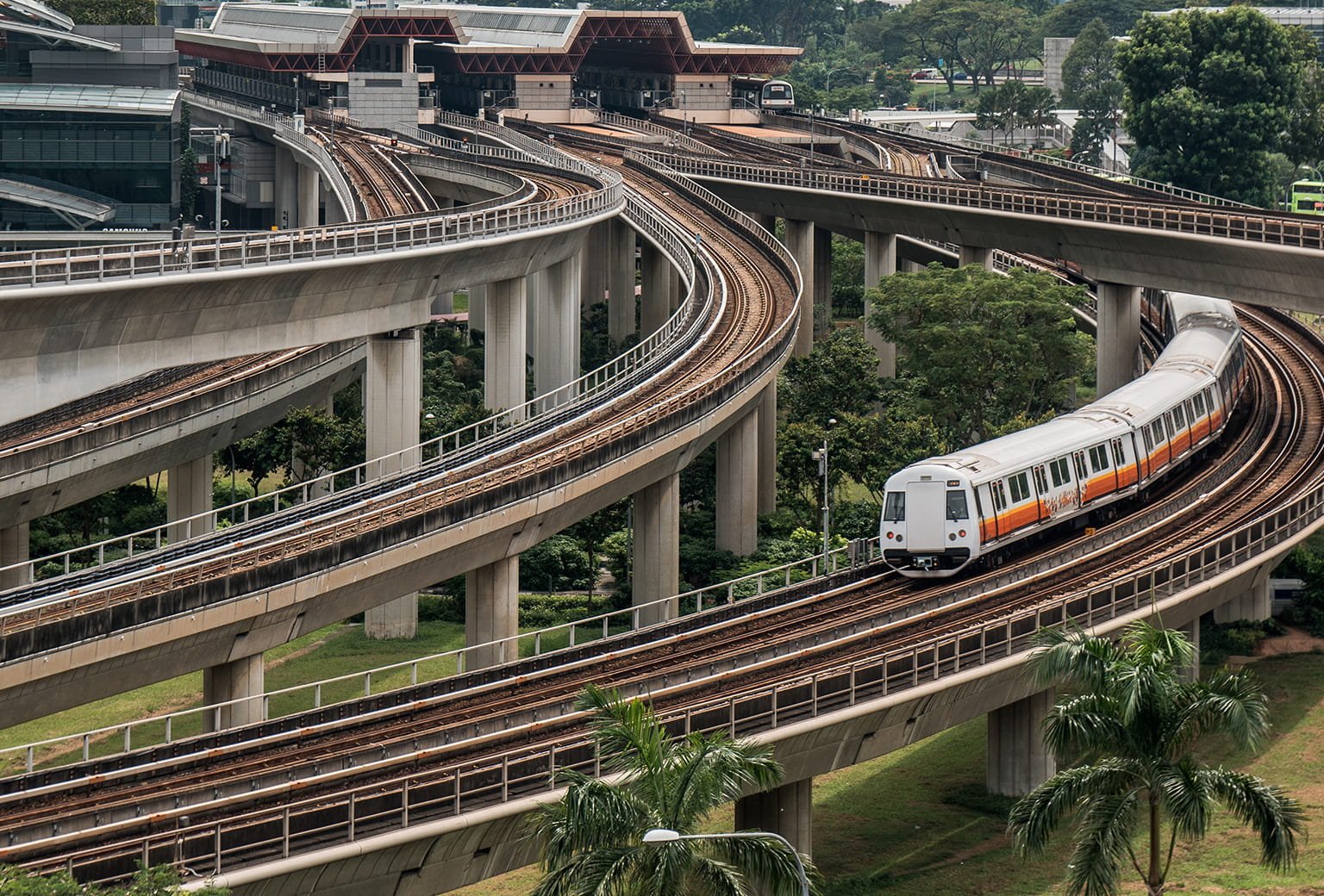
At the same time, we’re seeing “Station Redevelopment” on a scale never seen before. Major stations like New Delhi and CSMT are being turned into “City Centers.” The idea is to make the station a place you actually want to be—clean, commercialized, and seamlessly connected to the Metro.
3. The Green Pivot: Securing the Grid
You can’t power a modern economy on coal alone, especially when you have to import half of your fuel. That’s why the renewable energy push is so relentless. But in 2026, the buzzword has shifted from “Solar Power” to “Energy Storage.”
Solar is great, but the sun goes down just when India’s electricity demand peaks in the evening. To fix this, the government is betting big on Battery Storage and Pumped Hydro. This is about Energy Security. Every megawatt of solar power harvested in Rajasthan is a megawatt of expensive foreign oil that India doesn’t have to buy. It’s a strategic move as much as it is an environmental one.
4. Urban Mobility: Fixing the “Last Mile”
Our cities are bursting. You can’t just keep adding cars to the streets of Bangalore or Mumbai. The 2026 plan treats the city as a single organism. Metro lines are now expanding into Tier-2 cities like Indore, Patna, and Agra.
But the real magic is in Multimodal Integration. This is the “Last Mile” fix. The goal is a single card or app that lets you take the Metro, hop on an electric feeder bus, and even pay for a shared cycle—all without pulling out your wallet twice. The rollout of thousands of Electric Buses (e-buses) is a huge part of this. They are quieter, cleaner, and—crucially—cheaper to run over long periods than diesel buses.
The Reality Check: The Roadblocks Ahead
Of course, it’s not all sunshine and smooth asphalt. Three massive hurdles remain:
-
Land Acquisition: This is the “eternal” Indian challenge. You can’t build a 10-lane highway if the land is stuck in a 20-year legal battle.
-
Maintenance Culture: India is world-class at building new things, but historically, we are poor at maintaining them. The real test of the 2026 push will be how these projects look in 2036.
-
The Digital Divide: Smart transport systems work great if you have a smartphone and data, but the system needs to stay inclusive for the millions who don’t.
The Verdict
The 2026 infrastructure push is the most ambitious version of India we have ever seen. It’s loud, it’s messy, and it’s incredibly expensive. But it’s the only way to turn a “developing” nation into a global powerhouse. Whether it’s a farmer getting his produce to market before it spoils or a commuter getting home an hour earlier to see their kids, the impact of this concrete and steel revolution is going to be felt for generations.








Leave a Reply