
Townhall Times | New Delhi
Reporter: Bhavika Kalra
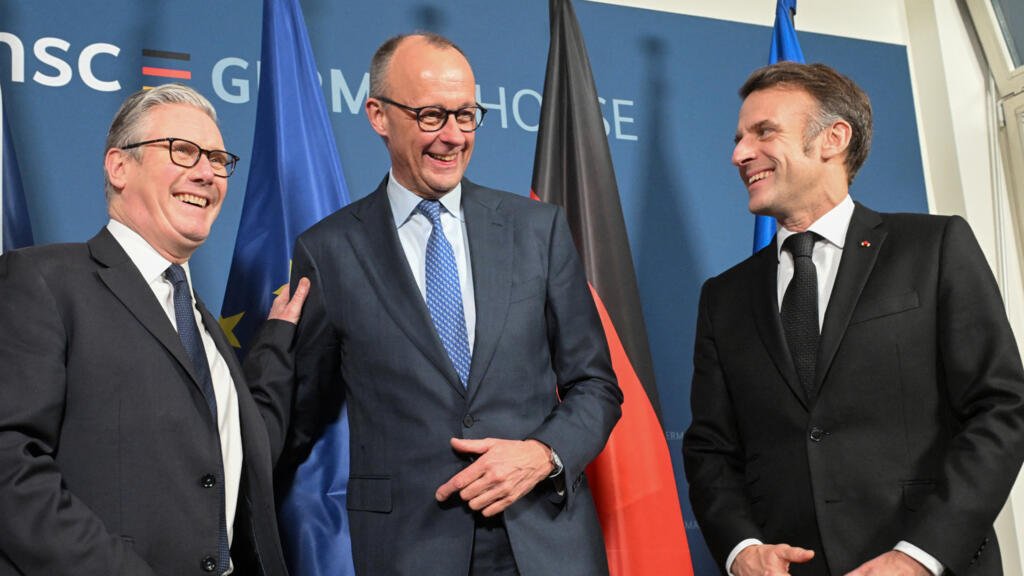
The Bavarian city of Munich—often described as the “world’s living room for security policy”—is currently hosting the 62nd Munich Security Conference (MSC). This year’s gathering carries unusual weight. As delegates move through the historic halls of the Bayerischer Hof hotel, the mood feels heavier than in past years. The war in Ukraine, tensions in the Middle East, and the accelerating digital arms race have combined to create an atmosphere of urgency. The rules-based international order, once considered stable, now appears increasingly fragile.
The Zelenskyy Factor: From Symbolism to Strategy
One of the most closely watched moments of the opening sessions was the address by Ukrainian President Volodymyr Zelenskyy. Speaking before an audience of senior diplomats and defense ministers, Zelenskyy delivered a message that was direct and uncompromising. He suggested that the era of symbolic gestures is over.
According to Zelenskyy, the conflict in Eastern Europe has evolved far beyond conventional artillery exchanges. Modern warfare now includes coordinated drone operations, state-backed cyber intrusions, and disinformation campaigns capable of destabilizing societies from within. He urged Ukraine’s allies to align military assistance with deeper economic integration and long-term strategic planning. In his view, sustaining a “wartime ecosystem” capable of enduring prolonged aggression is as crucial as battlefield victories.
A Transatlantic Turning Point
The health of the transatlantic alliance also dominated discussions. For decades, the U.S.–Europe partnership was treated as a strategic constant. However, Russia’s invasion of Ukraine has prompted Europe to reassess its security posture. Representatives from Germany, Poland, and other nations spoke candidly about expanding defense budgets and strengthening domestic military production.
Conversations between U.S. and EU officials focused on intelligence coordination, interoperability of defense systems, and stable long-term funding commitments. Many analysts at the conference described this moment as the emergence of a more assertive “geopolitical Europe”—a continent increasingly prepared to shoulder greater responsibility for its own security.
The Digital Frontier: AI and Cyber Sovereignty
If the 20th century revolved around nuclear deterrence, the 21st may be defined by artificial intelligence and cyber sovereignty. This year’s MSC placed notable emphasis on digital security. Participants highlighted how cyber espionage and AI-driven attacks have become routine threats.
There is growing recognition that isolated national strategies are no longer sufficient. A single breach in critical infrastructure—whether energy grids or financial systems—can produce cascading international consequences. Several leaders advocated for the creation of an international code of conduct governing AI in warfare, effectively proposing a digital-era equivalent of the Geneva Conventions to prevent uncontrolled escalation.
Middle East Tensions and Energy Security
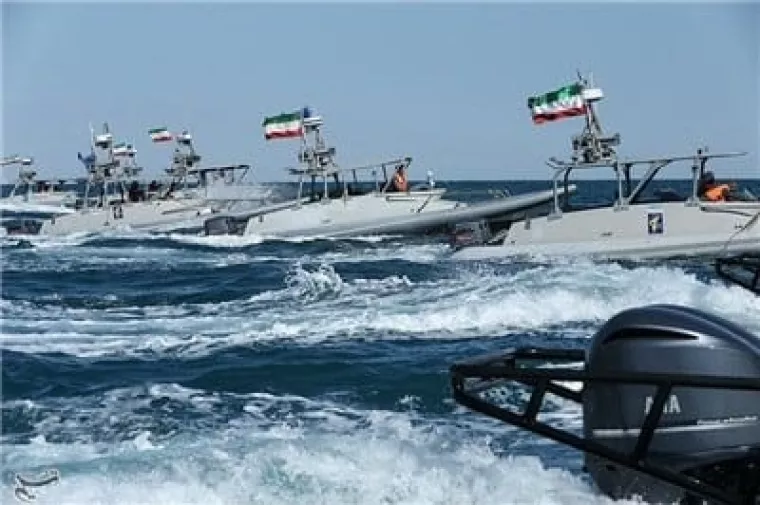
While Ukraine dominated headlines, Middle East instability remained a pressing concern. Delegates discussed Red Sea security and the stability of Gulf energy exports in both formal panels and private meetings. For energy-dependent economies, peace in the region is not merely a diplomatic aspiration but an economic necessity.
Fluctuations in energy markets have forced governments to reconsider long-term energy security strategies. While renewable transitions remain a priority, short-term supply stability continues to influence policy decisions.
A Transitional Era
Geopolitical analysts at Munich frequently described the present moment as transitional. Power is no longer concentrated among a few traditional states; non-state actors and technology companies now wield significant influence. The MSC is more than a forum for speeches—it serves as a space where the architecture of global security is quietly shaped.
As the conference draws to a close, cautious optimism mixes with uncertainty. Diagnosing global instability is one task; sustaining coordinated action is another. In an era increasingly defined by national self-interest, Munich stands as a reminder that modern threats do not respect borders—and no nation can confront them alone.






Leave a Reply